Andy Burnham's strategy for the Labour Party centers on a "Northern fixation," aiming to reconnect with traditional voters and reshape the party's national focus.
Burnham's Grassroots Campaign Strategy
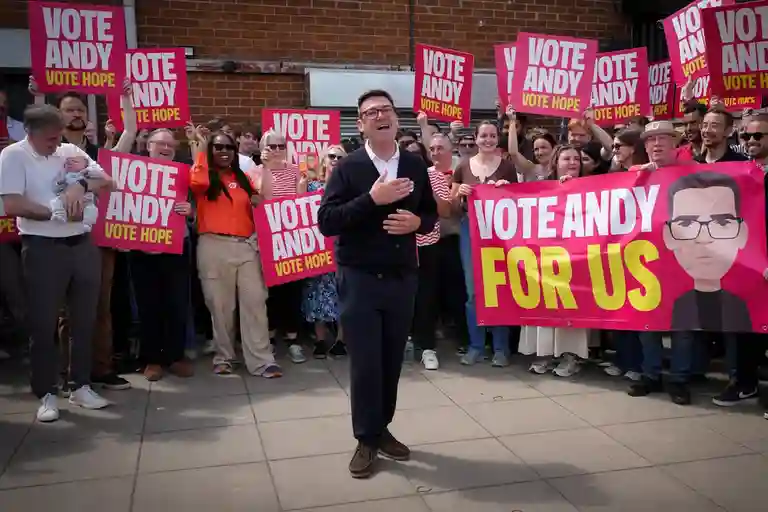
Burnham established his campaign headquarters at the Stubshaw Cross Community Club in Ashton-in-Makerfield, a former mining town. This choice symbolized a return to Labour's grassroots, seeking to regain support lost in recent local elections.
"He does politics and he does symbolism very well," noted Patrick Hurley, Labour MP for Southport. Hurley stated that running a significant by-election campaign from a Labour club in Lancashire "speaks volumes" about the party's future direction under Burnham.
Redistributing Power Beyond Westminster
The prime minister has outlined plans to "rewire Britain," moving power away from London. His administration has appointed a cabinet with members primarily from Greater Manchester, Merseyside, and Yorkshire, underscoring this regional shift.
Burnham's outpost, No 10 North in Manchester, is intended as a conduit for this redistribution of power. "The days of Whitehall resisting devolution are over, for good," the prime minister declared, promising more influence for every postcode.
A Shift from Past Labour Approaches
Burnham's approach emphasizes collective action, contrasting with previous Labour slogans like "things can only get better." His campaign slogan, "Things will get better if we stick together," highlights a vision contingent on community and shared effort.
"The London set have run it for too long," Burnham stated during his campaign. This sentiment appears reflected in his current leadership, which aims to ensure the party appeals to a broad base, from those with limited formal qualifications to university graduates, united by common values.
Liverpool City Region Mayor Steve Rotheram commented that Burnham's Northern focus "will wind some people up." However, he added that Burnham possesses "Labour values" and aims to "take people with him" while addressing difficult issues.
Cautious Optimism for Labour's Future
Initial polling suggests a "Burnham bounce," with Labour narrowing the gap with Reform. His approval rating stands at plus 13, surpassing that of former Prime Minister Sir Keir Starmer.
Hurley expressed cautious optimism within the Labour Party, noting a sense of urgency. "It's a Labour government with a bit of urgency, which has been sadly missing in action over the past six to 12 months," he said. This contrasts with Starmer's earlier acknowledgement that "things aren’t as good as you want them to be," which Hurley felt "took the wind out of people’s sails."
The current administration aims for a sense of hope that is "not blind, [but] not naive." The focus remains on collective effort: "bit by bit, step by step, if we stick together, things will get better."