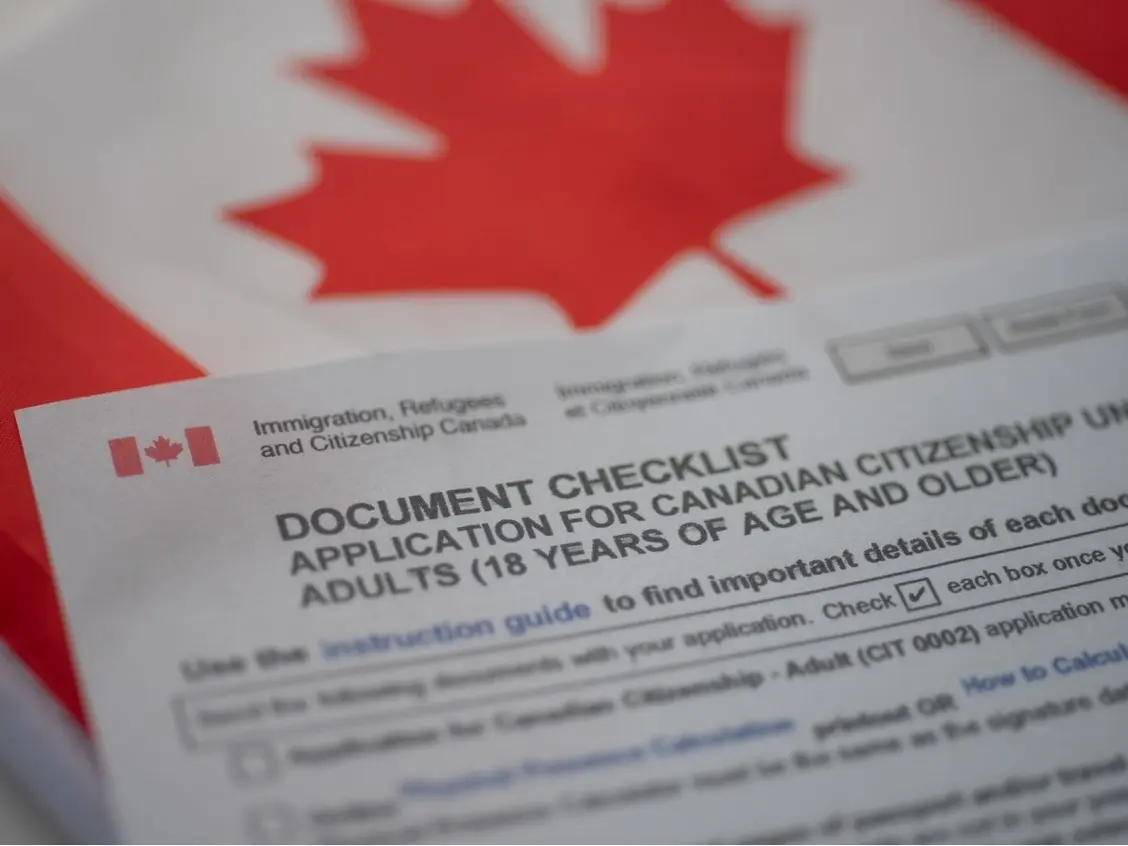
Canada admitted 20% fewer permanent residents in the first three months of 2025, with nearly half the decline driven by a sharp drop in Indian arrivals, official data shows.
The country granted permanent residency to 83,130 people between January and March, down from 104,320 in the same period last year, according to Immigration, Refugees and Citizenship Canada (IRCC) figures analysed by the Association for Canadian Studies. Study permits and asylum claims also fell by 24% and 35%, respectively, marking the second consecutive annual decline.
India bears brunt of immigration slowdown
Indian citizens accounted for 48% of the national drop in permanent residents, with approvals falling to 21,565 from 31,690—a reduction of 10,125 people. Study permits for Indian students plummeted 66% since 2023, from 277,950 to 93,840, making up 61% of the total decline in student visas.
Jack Jedwab, president of the Association for Canadian Studies, attributed the trend to stricter scrutiny of applicants and institutions. “Canada is becoming less accessible and much less predictable,” he said. “Prospective students who once regarded Canada as a reliable education-to-immigration destination may now see the costs and uncertainties as too high.”
Regional disparities widen as Quebec bucks trend
Ontario and British Columbia absorbed 81% of the national decline, with permanent resident admissions falling 26% and 31%, respectively. Quebec, however, saw a 12% increase, likely due to its independent selection of economic immigrants. Alberta, despite an 18% drop, overtook B.C. as the second-largest recipient of permanent residents.
Economic immigration—selected for skills and work experience—fell 34% in Ontario and 40% in B.C. but rose 7% in Quebec. Family-sponsored admissions also declined in most provinces, except Quebec, where they increased. Jedwab noted that Ontario and B.C. would feel the impact most acutely, particularly employers and educational institutions reliant on high immigration inflows.
What to watch next
The data suggests a deliberate shift in Canada’s immigration policy, with long-term implications for labour markets and education sectors. Observers will be watching whether the trend continues or if targeted adjustments emerge to address regional and sectoral imbalances.