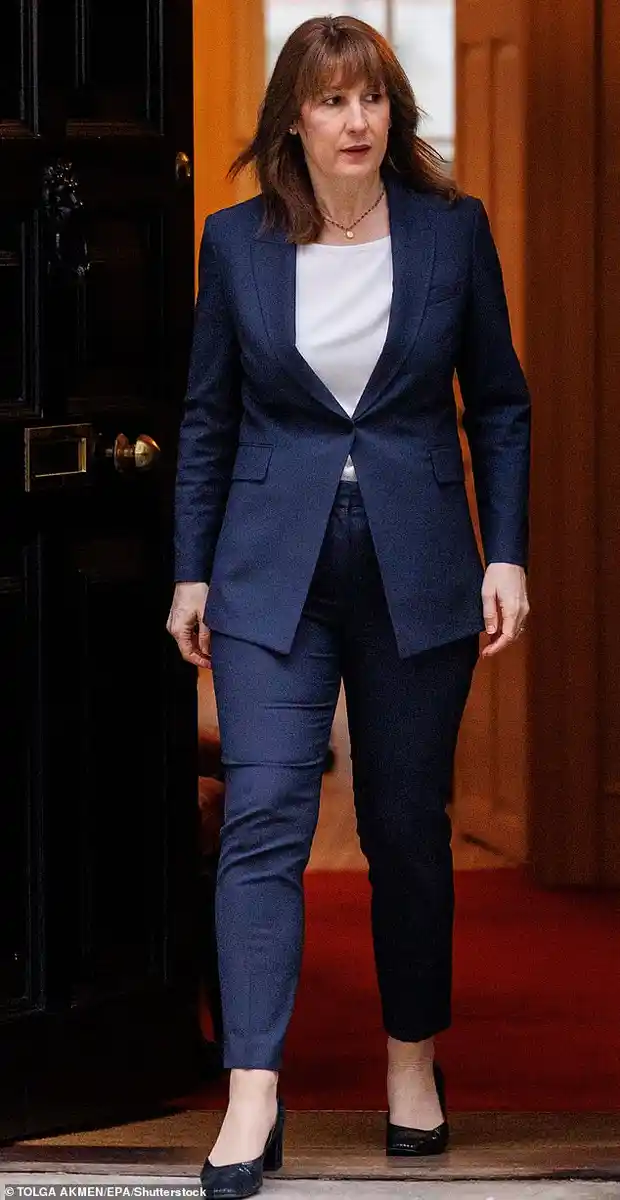
Rachel Reeves, the former Chancellor of the Exchequer, saw her political future significantly impacted by a heated phone call with Andy Burnham, the Mayor of Greater Manchester, last September. This confrontation occurred as Mr Burnham gained national prominence with calls to reduce Britain's reliance on bond markets, a move that caused significant market volatility.
The Confrontation Over Fiscal Policy
The exchange between Ms. Reeves and Mr. Burnham reportedly stemmed from Mr. Burnham's controversial intervention on national fiscal policy, which led to a rise in gilt yields and a 27-year high in long-term borrowing costs. A close associate of Mr. Burnham recounted that Ms. Reeves expressed her displeasure with urgency, demanding that the Mayor "walk back on [his] comments, now."
Sources privy to the conversation described Ms. Reeves as being "screaming and shouting down the phone," indicating the high stakes and market-induced panic. Mr. Burnham's response, however, was reportedly calm, stating, "Rachel, I simply don’t believe you." This stark contrast in reactions underscored a fundamental difference in their approaches to economic messaging and political strategy.
Strategic Maneuvres and Political Ascent
Nine months after this crucial exchange, Mr. Burnham had successfully challenged Sir Keir Starmer, who had been instrumental in Ms. Reeves's position as Chancellor. While Ms. Reeves's subsequent departure from Downing Street received less attention than other ministerial changes, her fate appeared sealed in the eyes of many political observers and media commentators, despite her efforts to remain in post.
Ms. Reeves had made overtures to align her policy positions with Mr. Burnham's agenda, notably in her Mais Lecture in March. Here, she signalled a willingness to collaborate with mayors on fiscal devolution, including plans for regional leaders to control a share of national taxes. This initiative was seen by her colleagues as a significant attempt to secure her position and appeal to Mr. Burnham's political vision.
Further efforts to signal her adaptability included Treasury briefings that diverged from her usual technocratic style. Reports indicated Ms. Reeves was exploring radical economic measures such as rent freezes and attempts to cap food prices, policies often demanded by left-leaning politicians and reminiscent of the 1970s. These actions suggested a tactical shift to embrace populist left-wing policies, mirroring Mr. Burnham's broader agenda.
Navigating Political Departures and Legacies
Despite these strategic manoeuvres, Ms. Reeves was notably absent from Sir Keir Starmer's resignation speech, a departure from the actions of his loyalists. However, she later appeared alongside Mr. Burnham as he marked his return to Parliament, a move that some interpreted as a public alignment with his ascendant political career.
Ultimately, Ms. Reeves was dismissed from her role, reportedly offered the education brief, which some allies suggested she was unlikely to accept due to it being perceived as a demotion. Her departure concluded with a "supportive text message" to her successor, John Healey, underscoring a desire to leave her role with dignity.
Allies of Ms. Reeves maintain that she managed to "leave with her head held high," having influenced her successor and aimed to prevent her economic legacy from being "trashed." This was interpreted as a deliberate effort to steer the Labour Party away from candidates such as Ed Miliband, whose economic views were reportedly viewed negatively by financial markets.
Her public statements, including her Mansion House speech, contained coded warnings against specific leadership choices, highlighting the importance of economic stability for delivering "radical change." Polling on potential successors' reception by bond traders was also circulated, indicating preferences that aligned with Ms. Reeves's economic priorities.
Reflecting on her departure, Ms. Reeves and Sir Keir Starmer were observed at a pub gathering, with one attendee noting they appeared to have "ten years younger" after the weight of responsibility was lifted. This marked an end to their "promised decade of national renewal."
Despite the conclusion of her tenure as Chancellor, friends and allies are adamant that Ms. Reeves is not finished with frontline politics. They believe her serious and credible approach positions her for a significant future role within the Labour Party, suggesting a potential "second act" akin to figures like David Cameron or William Hague.
Meanwhile, Ms. Reeves's sister, Ellie Reeves, secured a promotion to Attorney General under Mr. Burnham's leadership. This development could potentially strain the relationship between the two sisters, especially given their past public disagreements, including a notable row over Mr. Burnham's parliamentary aspirations.
Supporters of Ms. Reeves highlight her perceived successes, such as ending the two-child benefit cap, while detractors question the broader economic growth under her stewardship. Regardless, her legacy is now being shaped by those who succeeded her.