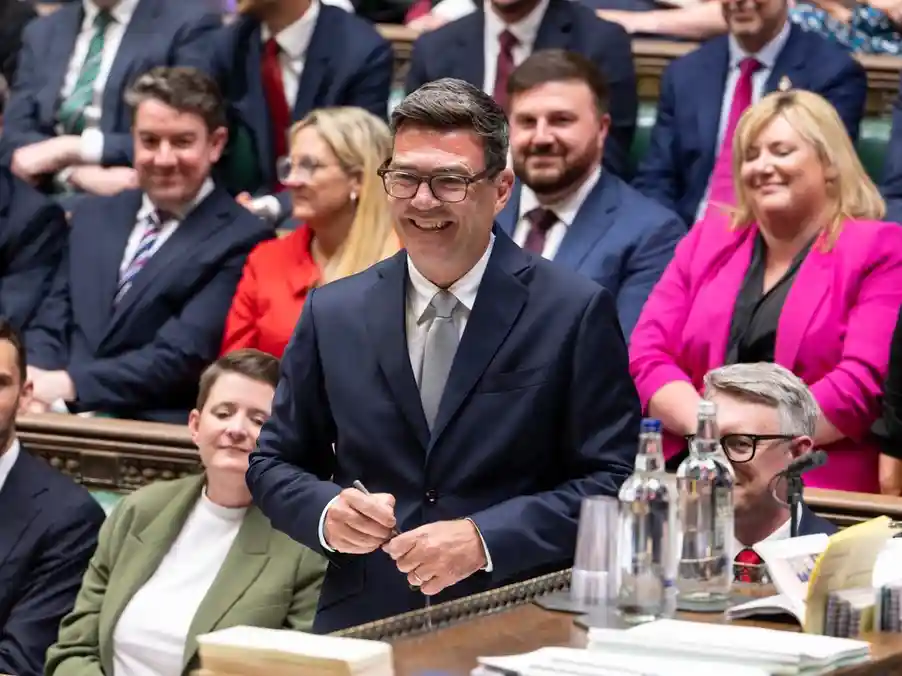
Incoming UK Prime Minister Andy Burnham will face an immediate decision on whether to allow the U.S. to continue launching strikes on Iran from British military bases, as the conflict enters its seventh consecutive night.
US relies on UK bases for Middle East operations
The U.S. has long used British facilities, including RAF Fairford in Gloucestershire, as staging points for Middle East missions. Outgoing Prime Minister Keir Starmer permitted defensive strikes from these bases to counter Iran’s military threats, particularly in the Strait of Hormuz.
Trump’s threats raise legal and diplomatic concerns
President Donald Trump’s warnings of targeting Iranian civilian infrastructure have alarmed UK officials, who fear such actions could violate international law. Starmer initially declined to join February’s U.S. strikes but later allowed limited British base access for defensive operations.
Trump has criticized Starmer for insufficient support, while Green Party leader Zack Polanski urged Burnham to reject U.S. requests, calling the campaign an “illegal war.”
Burnham’s foreign policy stance remains unclear
Burnham, who voted for the Iraq War but against expanding military action in Syria, has pledged to be “upfront” with Trump. He told the Goalhanger podcast he would “meet him where he’s at,” balancing respect for the UK-U.S. relationship with direct disagreement when necessary.
UK officials plan to brief Burnham after his transition, warning that Trump may escalate strikes if Iran refuses negotiations. They also believe the U.S. views its Strait of Hormuz blockade as effective long-term leverage, according to Bloomberg.