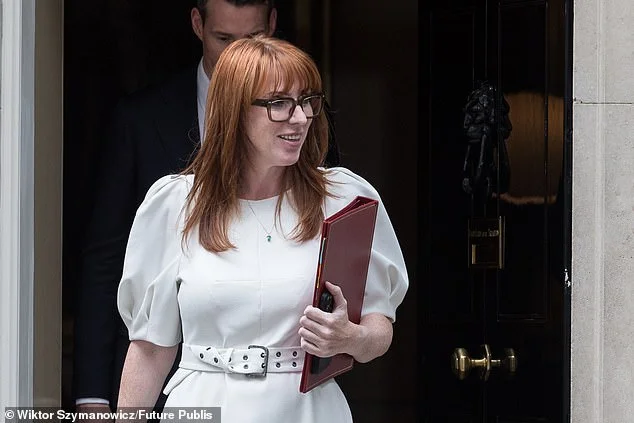
Angela Rayner, the newly appointed Housing Secretary, has dismissed calls to return her near-£17,000 payoff, according to a statement she made on BBC Radio 5 Live, on a date that marks her return to the Cabinet, 10 months after quitting over unpaid tax, in Boston, US, and other locations, on September 5 last year. Rayner, who was brought back into the Cabinet by Andy Burnham, received the £16,876 exit payment for quitting the Ministry of Housing, Communities and Local Government.
Severance Payment Controversy
The controversy surrounding Rayner's severance payment stems from her previous criticism of Conservative ministers who took similar payments, with Rayner stating that those who retained payoffs were showing 'a staggering lack of shame' when people 'up and down the country are struggling to pay their mortgages and put food on the table'. However, Rayner argues that her situation is different, as she was out of government for nearly a year, whereas some Conservative ministers took their severance payments after only a few weeks.
According to the official accounts for the Ministry of Housing, Communities and Local Government, which were published last week, Rayner received the £16,876 exit payment, which is 25% of her annual ministerial salary of £67,505. This payment is in addition to her £98,599 yearly salary as an MP for Ashton-under-Lyne.
Reaction from Opposition
James Cleverly, the shadow housing secretary, has called on Rayner to return the payment, stating that 'Angela Rayner crusaded against tax avoidance, then avoided tax on her home, tried to cover it up and was forced to resign in disgrace'. Cleverly also pointed out that Rayner's reappointment to the Cabinet 'confirms that there is one rule for Labour, and another for everyone else'.
The issue of severance payments has sparked a wider debate about the ministerial code and the rules surrounding these payments. According to the code, ministers are entitled to a severance payment of 25% of their annual salary when they leave office and are not reappointed within three weeks. However, a change made to the code in October last year states that ministers are expected to waive a severance payment if they have committed a 'serious breach' of the code.
What's Next
As the controversy surrounding Rayner's severance payment continues, it remains to be seen how this will impact her role as Housing Secretary and the wider UK government. Readers should watch for further updates on this story, including any potential developments on the ministerial code and the rules surrounding severance payments. The situation is also likely to be scrutinized by opposition parties and the media, with some calling for greater transparency and accountability in government.
- £16,876: the amount of Rayner's severance payment
- 25%: the percentage of annual salary that ministers are entitled to as a severance payment
- £67,505: Rayner's annual ministerial salary
- £98,599: Rayner's yearly salary as an MP for Ashton-under-Lyne