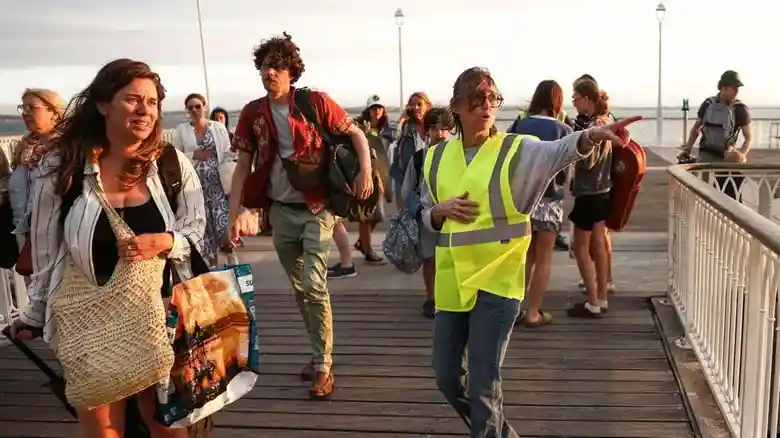
French authorities have ordered the evacuation of tens of thousands of people from the Cap Ferret peninsula in the Gironde region, as wildfires continue to spread across the area. The evacuations, which include around 40,000 people from the peninsula, are part of a broader effort to combat the fires, which have burned over 10,000 hectares of land.
Wildfire Spread and Evacuations
The fires, which began on Tuesday, have prompted the evacuation of multiple areas, including the town of Arès and the port of Arcachon. Local prefect Sophie Brocas reported that 53 homes and a campsite have been lost, but 2,000 houses have been saved. Meanwhile, in Spain, the government has declared a national emergency as wildfires burn out of control near Madrid.
Spanish Prime Minister Pedro Sánchez described the situation as "dramatic" and urged people to take great care. The European Union has sent support to both countries, with three planes and two helicopters assisting the French fire effort, and four planes sent to Spain. The fires have also prompted the evacuation of over 20,000 people in the Landes region of France, around the town of Biscarrosse.
Causes and Consequences of Wildfires
The rapid spread of the wildfires has been attributed to strong winds and high temperatures, with the European Environment Agency stating that climate change has increased forest fire risk across Europe. The agency notes that the greatest danger is expected in southern Europe, where the summers are hotter and drier. Local resident and evacuee David Morton described the scene as "enormous" and "out of control", with flames engulfing the forest.
The public has been warned not to travel to the affected areas, with authorities working to contain the blazes and prevent further damage. The situation is being closely monitored, with additional resources and support being deployed to the areas. As the situation continues to unfold, residents and visitors are advised to follow the instructions of local authorities and stay informed about the latest developments.
International Support and Response
The international community is providing support to France and Spain, with the European Union playing a key role in coordinating the response efforts. The EU's Copernicus Climate Change Service has reported that Europe is the fastest-warming continent, with temperatures rising at more than twice the global average since the 1980s. This rapid warming is making the region more prone to wildfires, and highlighting the need for effective climate change mitigation and adaptation strategies.
The situation in France and Spain serves as a reminder of the importance of preparedness and cooperation in the face of natural disasters. As the region continues to grapple with the challenges posed by climate change, it is essential that authorities, residents, and visitors work together to prevent and respond to wildfires, and to build more resilient and sustainable communities.


