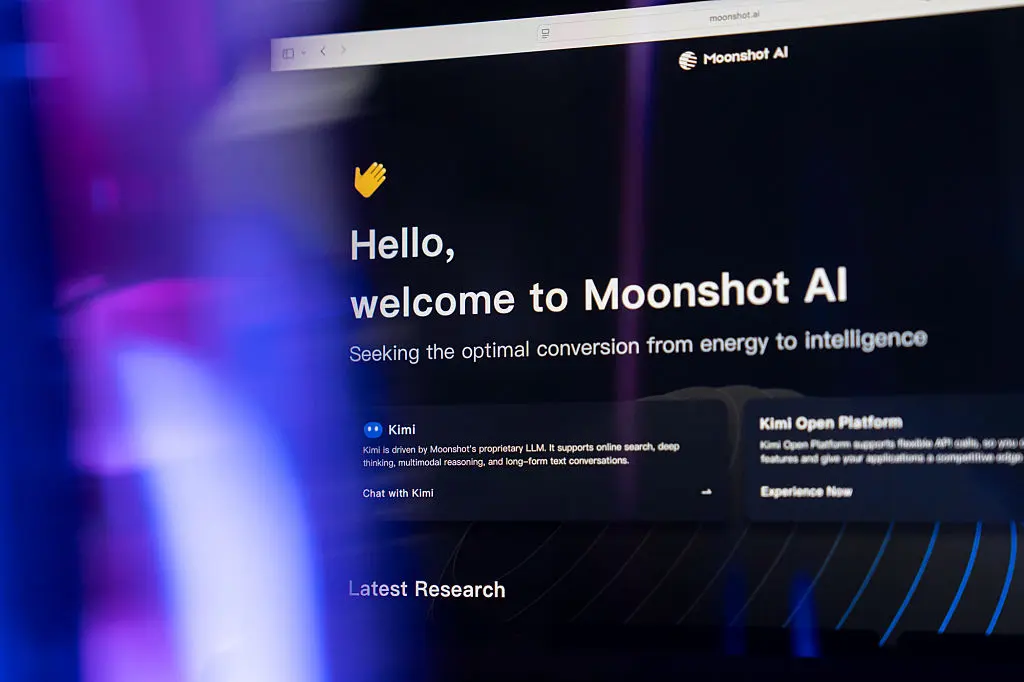
The launch of Moonshot AI's Kimi model has rekindled discussions in the United States regarding national competitiveness and the strategic direction of artificial intelligence development. This debate, occurring both publicly and privately in Washington D.C., involves concerns about Chinese AI capabilities and their implications for American industry leaders.
Concerns Over Chinese AI Models
Recent advancements by Chinese AI companies, exemplified by Moonshot AI's Kimi, have prompted considerable discussion. On platforms like X, formerly Twitter, and within the tech industry, there is a recurring pattern of heightened anticipation and concern. This reaction often surfaces when a Chinese AI model demonstrates competitive performance on certain benchmarks, raising questions about the pace of innovation in the United States.
The emergence of such models intensifies a long-standing debate. This debate centers on whether Chinese companies can match or surpass U.S. firms in specific AI functionalities, potentially at a lower cost and with more open development models. Such developments have led to significant reactions from segments of the technology sector.
Behind the AI Debate in Washington
The conversation extends to Washington D.C., where major AI firms like OpenAI and Anthropic have reportedly engaged with regulators. Their lobbying efforts reportedly focus on concerns surrounding open Chinese AI models. This engagement suggests a strategic interest in shaping the regulatory landscape governing artificial intelligence.
These discussions often involve weighing the potential benefits of open AI development against the perceived risks. Some analysts suggest that imposing significant restrictions on Chinese AI models could disproportionately benefit a select group of U.S. companies, rather than broadly accelerating American AI advancement.
Analyzing the "Panic" Over AI
Commentators have likened the current reaction to previous instances of intense concern within the tech industry regarding disruptive innovations. This suggests a cyclical pattern of anticipation and subsequent reassessment as new technologies mature. The rapid escalation and de-escalation of these concerns highlight the industry's sensitivity to perceived competitive threats.
Underlying the debate are various factors, including potential biases within Chinese models, security risks, and broader geopolitical competition. A significant aspect appears to be protectionist sentiment, focusing on which nation will lead in the global AI race. This dynamic often amplifies anxieties, drawing parallels to earlier discussions surrounding platforms like TikTok.
The push for proprietary models from leading U.S. firms is sometimes framed as the sole method for controlling a powerful and potentially dangerous technology. However, this perspective also aligns with existing advocacy for less restrictive AI development policies. The urgency to maintain a competitive edge against China is frequently invoked to support specific policy preferences.


