California-based AI startup Cognition has acquired Poke, the conversational AI assistant known for its human-like personality, in a deal valuing the company in the "low nine figures." The purchase will integrate Poke’s interaction model into Cognition’s coding assistant Devin, while Poke gains access to Cognition’s infrastructure to improve speed and reliability.
Why personality is becoming an AI battleground
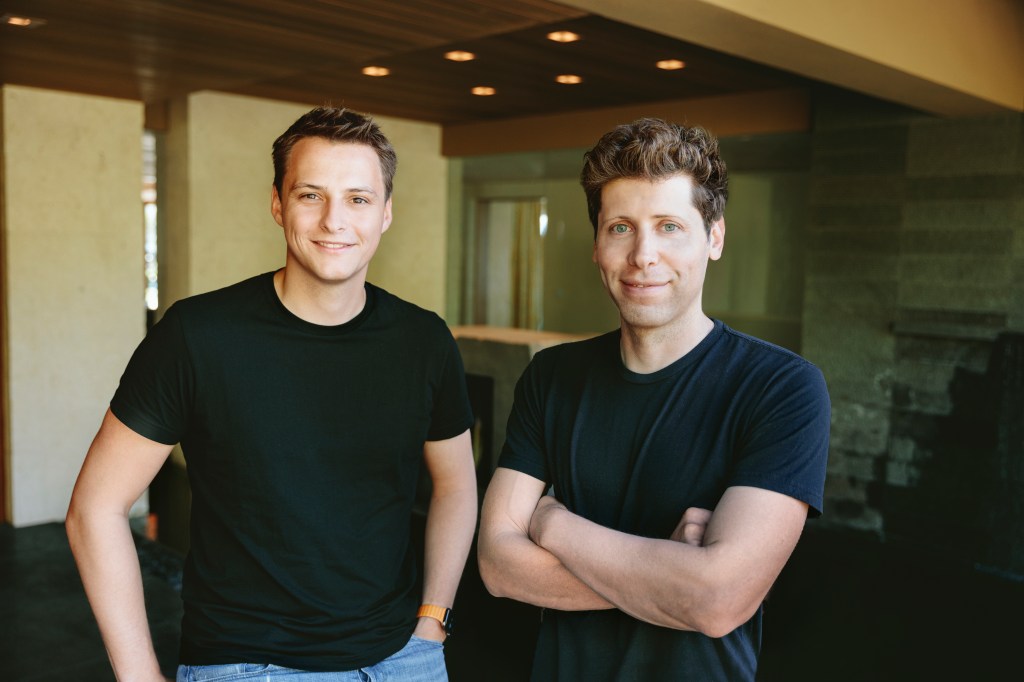
The acquisition highlights a growing belief in Silicon Valley: how AI assistants communicate may soon matter as much as their technical capabilities. Poke, launched in March 2026, stands out for its casual, humorous tone—responding to users with slang and jokes rather than robotic efficiency. Marvin von Hagen, co-founder of Poke’s parent company The Interaction Company, compared it to preferring a colleague with personality over one who "just follows orders."
Cognition’s co-founder Scott Wu echoed this view in a blog post, calling Poke’s approach "exactly how working with Devin should feel." Wu and fellow co-founder Walden Yan were early investors in Poke, suggesting the deal had been in the works for some time. The move reflects a broader shift in AI development, where emotional resonance is seen as a competitive advantage.
Poke’s growth and financial challenges
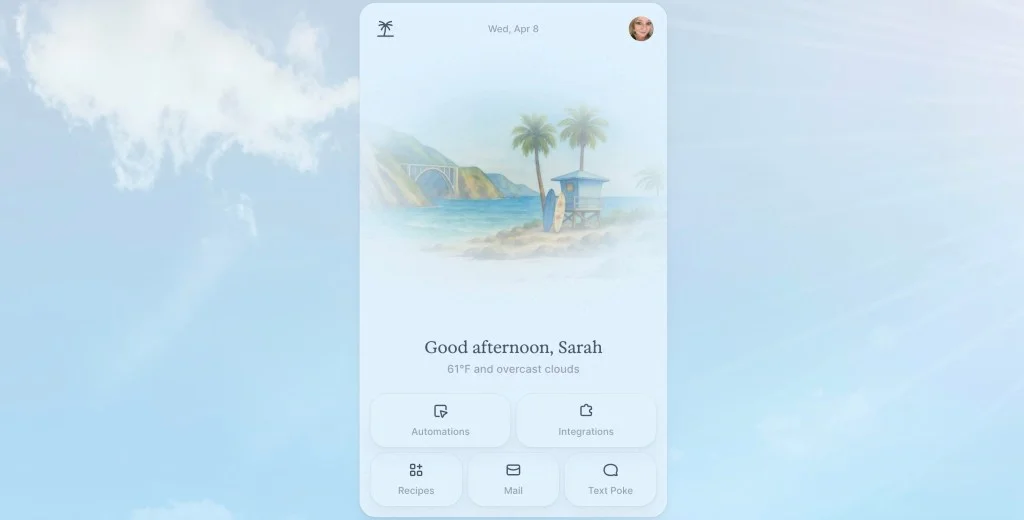
Poke allows users to interact with its AI through messaging platforms like iMessage, SMS, Telegram, and WhatsApp, handling tasks from travel planning to email management. Over the past three months, users exchanged more than 100 million messages on the platform, though von Hagen acknowledged that running Poke had been "expensive," making profitability difficult despite its popularity.
In June, Poke became the first AI agent approved for Apple’s Messages for Business platform, a milestone that could help scale its commercial use. The assistant remains available on Apple’s platform through the end of the year, with no immediate changes planned for users.
What happens next for Poke and Devin
Next year, the teams will experiment with combining Poke’s conversational strengths with Devin’s coding capabilities. Poke will begin using Cognition’s SWE-1.7 model for certain tasks, while Devin may adopt Poke’s ability to remember context across sessions. Von Hagen suggested Poke could eventually "orchestrate" multiple Devin coding sessions, creating a more persistent AI collaborator.
For now, the two products remain separate, but a full merger hasn’t been ruled out. As von Hagen put it: "It would be good to have a persistent co-worker."