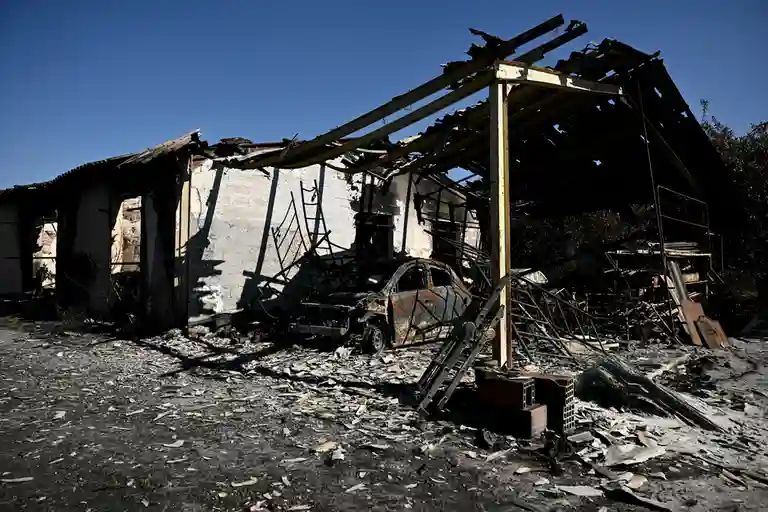
Approximately 330,000 people have been forced to flee their homes and holiday sites as severe wildfires spread across the Iberian Peninsula and the Atlantic coast, particularly in Spain and southwestern France, where flames are being fueled by extreme heat, as of July 28, 2026. The European Union's Copernicus Climate Change Service has reported that Europe is heating at more than twice the global average, leading to increasingly frequent and intense fire seasons.
Wildfire Crisis in Europe
The Gironde region near Bordeaux and wildfire-hit areas of Spain are among the most affected, with the Gironde wildfire alone burning land equivalent to four times the size of Paris and displacing 220,000 people. Scientists, such as Jean-Baptiste Filippi, a fire-weather expert at France's Centre National de la Recherche Scientifique (CNRS), warn that some fires are now creating their own weather systems, making them even harder to control.
According to Filippi, "You cannot stop a storm, so you will not stop a firestorm," highlighting the challenges faced by firefighters in combating these intense wildfires. The European continent, which is the world's fastest-warming continent, is facing a growing threat from climate change, with the evidence suggesting that the climate emergency has severe consequences, including loss of life.
Climate Change and Wildfire Season
Pedro Sánchez, the prime minister of Spain, has emphasized that "the evidence is clear: the climate emergency kills," and that it is essential to tackle the root causes of climate change, anticipate its consequences, and better prepare the country to protect people's lives. Firefighters, such as those from Spain's Forest Fire Reinforcement Brigades (BRIF), are working tirelessly to combat the wildfires, using controlled burning to halt the spread of the fires.
The situation continues to evolve, with the wildfires reshaping communities and landscapes, and serving as a stark reminder of the need to address climate change. As the situation unfolds, it is crucial to monitor the developments and the responses of the authorities, as well as the efforts of firefighters and other emergency services, to mitigate the impact of these devastating wildfires.
Impact and Response
The affected regions are likely to face significant challenges in the coming days and weeks, with the priority being to ensure the safety of those displaced and to prevent further spread of the wildfires. The international community is also closely watching the situation, with concerns about the growing threat of climate change and its impact on global food security, biodiversity, and human settlements.
- 330,000 people forced to flee their homes and holiday sites
- Gironde wildfire burned land equivalent to four times the size of Paris
- 220,000 people displaced by the Gironde wildfire
- Europe is heating at more than twice the global average
As the situation continues to develop, it is essential to stay informed about the latest updates and to follow the guidance of local authorities, to ensure the safety of all those affected by the wildfires.



