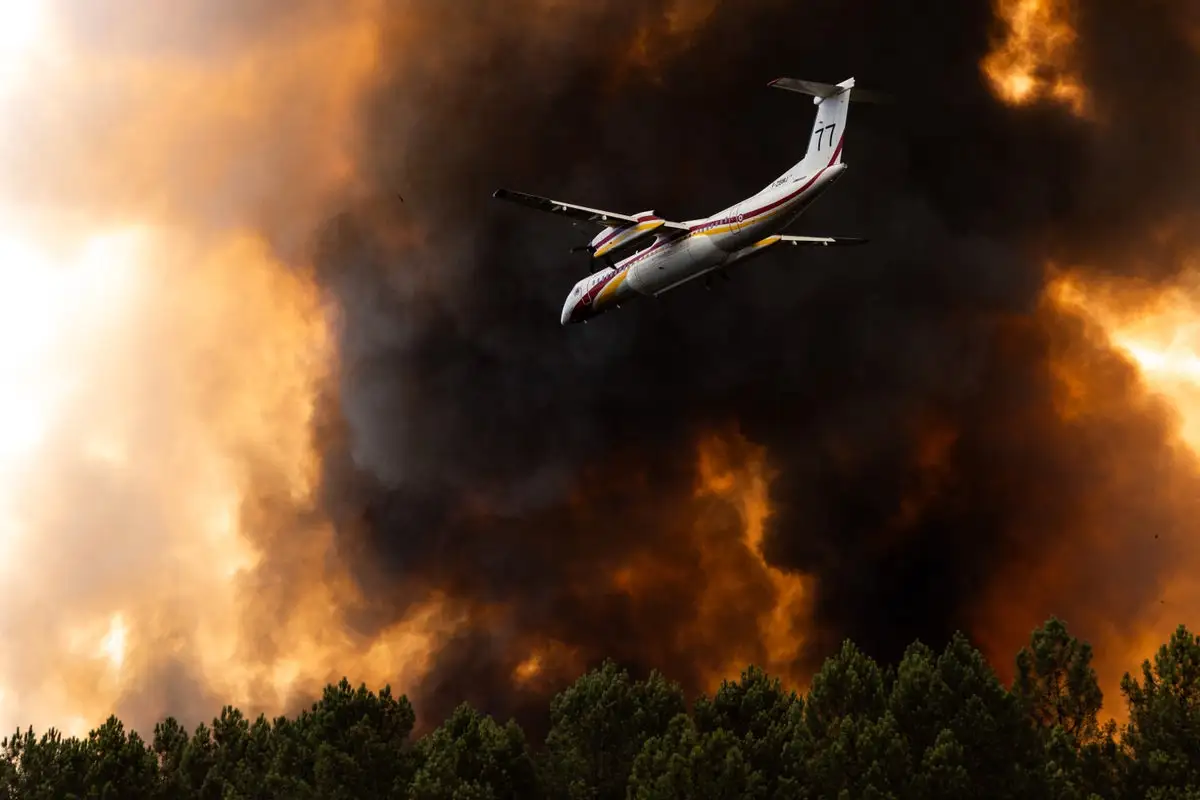
France is grappling with its most severe wildfire crisis since World War II, with 250,000 people evacuated and over 40,000 hectares of land destroyed as flames rage across the Gironde region. President Emmanuel Macron has described the situation as unprecedented, as firefighters and local volunteers work around the clock to contain the blazes amid soaring temperatures.
Unprecedented scale of destruction
The wildfires, which erupted on 22 July, have devastated vast stretches of woodland, including the picturesque surfing commune of Lacanau near Bordeaux. More than 200 volunteers now assist professional firefighters, coordinating efforts through WhatsApp groups to track new flare-ups. The Cap Ferret peninsula, a popular tourist destination, has seen widespread evacuations as the fires spread.
Local resident Pao Borecka, a 31-year-old painter, described the situation as "a war against the fire." She recounted how initial fears among volunteers have given way to determination, with numbers swelling from 15 to 200 in just days. "Everything is burning," she said. "I can’t just stay in my house waiting."
Extreme conditions fuel the crisis
Temperatures have reached 38°C, with forecasters warning of prolonged heatwaves exacerbating the fire risk. The blazes have created their own microclimates, generating "fire clouds" that produce lightning and strong winds, further spreading the flames. Eric Brocardi of the French firefighters' association called the fires "a monster," predicting such phenomena will become more frequent.
Volunteers like 18-year-old Mathias Monseigne have been working nonstop, ferrying supplies and assisting firefighters in burnt-out areas. "We go again to the fire and try our best," he said, his face blackened by smoke. Meanwhile, makeshift relief centres distribute food to displaced residents, with one pharmacist reporting 200 people arriving daily for aid.
What happens next
President Macron has urged firefighters to "stay strong" as the crisis enters a critical phase. Meteorologists warn that Wednesday’s peak temperatures could worsen conditions, though the duration of the heatwave remains uncertain. With dry weather persisting, authorities caution that the fires may continue for months, testing the resilience of both responders and affected communities.