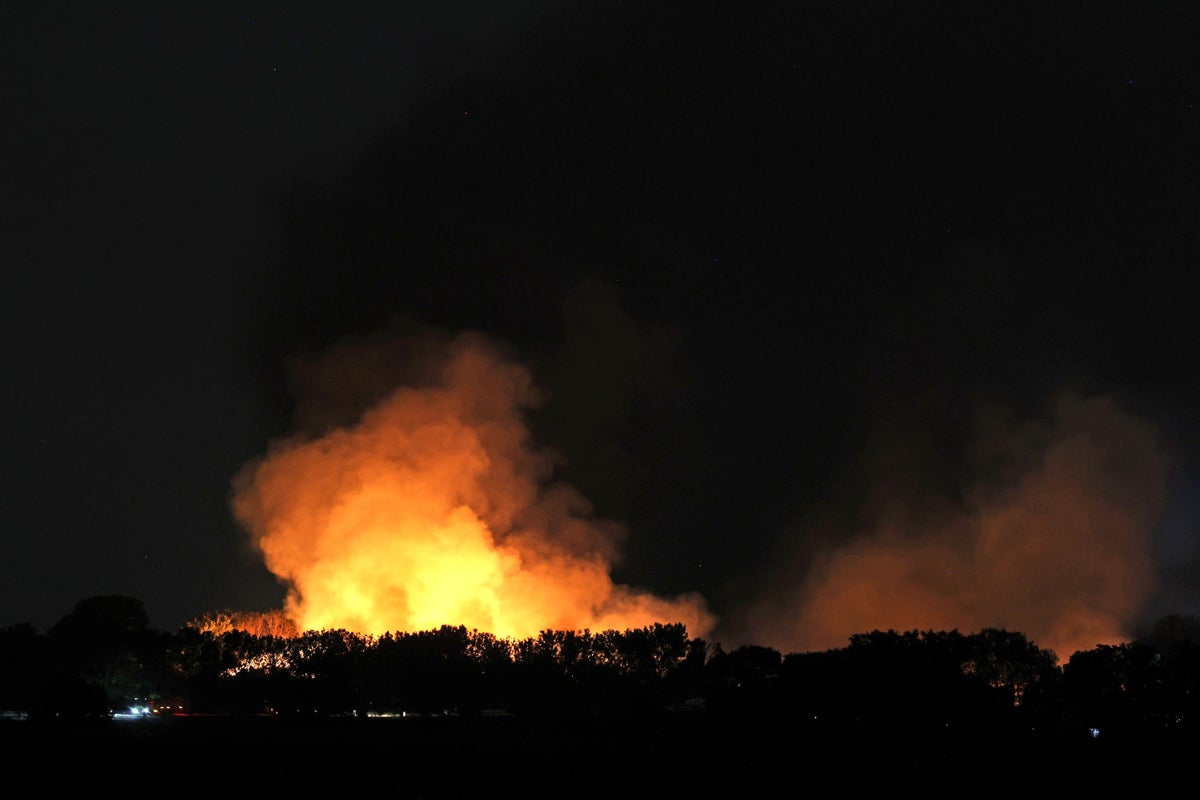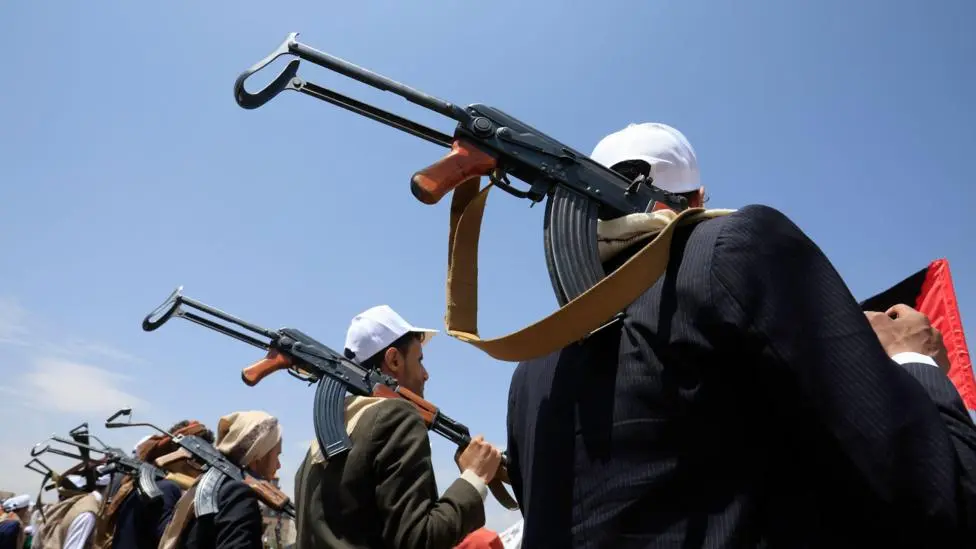
Iran-backed Houthi rebels fired a missile at Saudi Arabia’s Jizan province early Saturday, sparking fires in the city after Riyadh launched airstrikes on Houthi targets in Yemen. Saudi authorities issued emergency alerts for the region following the attack, which the Houthis claimed as retaliation for Friday’s strikes on the Yemeni port city of Hodeida and nearby Kamaran Island.
Escalation Follows Days of US-Iran Strikes
The missile strike marks the latest flare-up in a weeks-long exchange of attacks between the US, Iran, and their regional proxies. For the first time in two weeks, no overnight airstrikes were reported between US and Iranian forces, though tensions remain high. The US military conducted 13 consecutive nights of strikes on Iran before pausing, while Iran launched drone attacks on US bases across the Middle East.
On Friday, the US disabled a tanker in the Gulf of Oman after its crew repeatedly ignored warnings to halt attempts to breach the American blockade on Iranian ports. Navy Captain Tim Hawkins, spokesman for US Central Command, confirmed the vessel was fired upon after refusing to comply, leaving it dead in the water. This is the second commercial ship disabled by US forces since the blockade was reimposed earlier this month.
Oil Prices Surge Amid Shipping Threats
Crude oil prices climbed above $100 a barrel this week amid growing concerns over Houthi threats to Red Sea shipping. However, Brent futures dropped more than $4 on Friday after two Chinese-chartered supertankers safely passed through the Bab el-Mandeb Strait, easing fears of supply disruptions. The volatility underscores the economic stakes of the conflict.
In a statement on Telegram, the Houthis warned Saudi Arabia that its airstrikes on civilian facilities in Hodeida and Kamaran Island "constitute a dangerous escalation" and vowed further retaliation. The group’s media arm, Ansarollah, declared the attacks "will not go unanswered."
Diplomatic Efforts and What Comes Next
Oman sent a delegation to Tehran on Saturday for talks on the Strait of Hormuz, a critical chokepoint for global oil shipments. Meanwhile, the US and UK are set to hold a conference in London next week to discuss security in the strait, with US Defense Secretary Pete Hegseth and Joint Chiefs Chairman Dan Caine expected to attend.
Israeli Prime Minister Benjamin Netanyahu is scheduled to meet President Biden at the White House on Tuesday, adding another layer to the region’s diplomatic maneuvering. The meetings follow a short-lived US-Iran ceasefire in June, which collapsed after attacks on ships in the Strait of Hormuz prompted renewed strikes. Analysts warn the latest Houthi-Saudi exchange could further destabilize the region as global powers weigh their next moves.