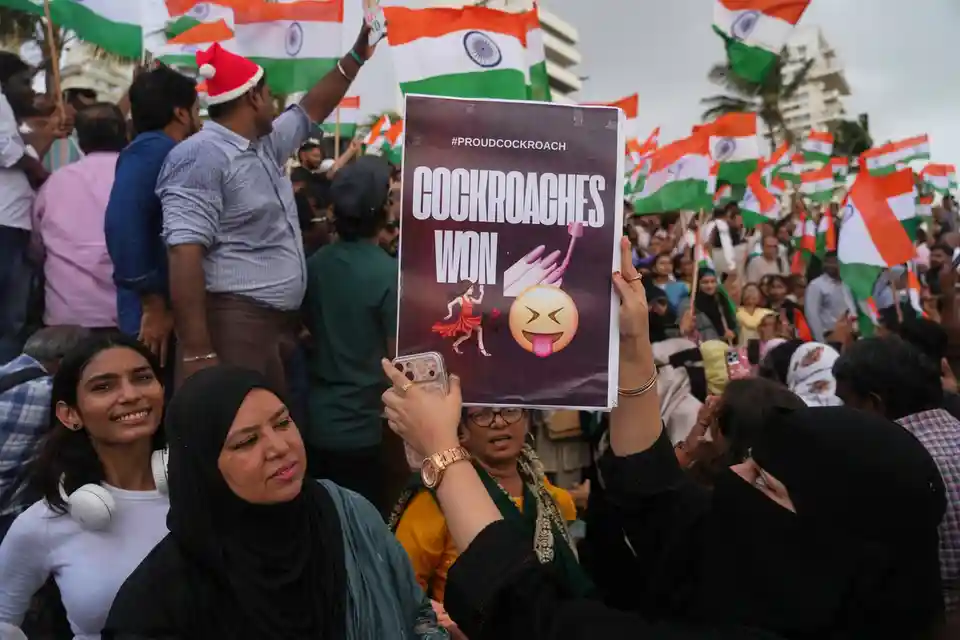
India's Education Minister Dharmendra Pradhan has resigned following nationwide protests over exam leaks, meeting a key demand of the "Cockroach" movement led by students. The protests, which began in New Delhi on June 7, have spread to over a dozen cities, with millions of students participating.
Background of the Protests
The protests were sparked by a series of leaks in nationwide exams for university seats and government jobs, which affected millions of students. The "Cockroach Janta Party" movement, which started as a satirical group, has been leading the protests, with its leader Abhijeet Dipke calling for the minister's resignation and action against those responsible for the leaks.
The protests have been marked by violence, with police forcibly removing a respected educator, Sonam Wangchuk, from the New Delhi protest site, and attacking protesters who tried to march into parliament. At least a dozen students have died by suicide after exam papers leaked, according to reports.
Government Response and Next Steps
Prime Minister Narendra Modi has addressed the students directly, stating that his government has caught those accused of leaking exam questions and they are "lying in jails." However, critics have noted that Modi did not respond to the protesters' core demand for the education minister's resignation until Pradhan stepped down. The student leaders have demanded compensation for the families of students who died by suicide and action against security personnel who attacked protesters.
The resignation of the education minister has raised questions about whether the government will be able to maintain momentum against the protesters or if this will embolden students to make more demands. With around 367 million people between the ages of 15 and 29, India has the world's largest number of young people, and education is a key issue for this demographic.
Implications and What's Next
The "Cockroach" movement has received support from prominent Indians, including author Arundhati Roy, and has cut across traditional demographic lines, making it difficult for the government to deploy its usual playbook. As the protests continue, it remains to be seen whether the government will be able to address the concerns of the youth and implement reforms in the education system.
- 367 million: the number of people between the ages of 15 and 29 in India
- Over a dozen: the number of cities where protests have taken place
- Millions: the number of students participating in the protests
As the situation continues to unfold, readers should watch for further developments in the government's response to the protests and the demands of the "Cockroach" movement. With the education minister's resignation, the focus will shift to whether the government can address the underlying issues driving the protests and implement meaningful reforms in the education system.