Iran’s economy is under mounting pressure as a US naval blockade and expanding military confrontations disrupt critical trade routes, including the Strait of Hormuz and the Red Sea. With oil exports curtailed, fuel shortages worsening, and infrastructure damaged by airstrikes, Tehran faces tough choices—including a potential fuel price hike—amid rising public discontent.
Oil Exports and Revenue Losses Under US Blockade
The US military’s renewed blockade of Iran’s southern ports since mid-July has slashed crude exports, though Tehran claims to have sold $11.5bn worth of oil during the war and an additional $6.5bn under a now-suspended June 17 memorandum of understanding (MoU) with Washington. Combined, these figures represent 60% of the government’s full-year oil revenue target, according to the Ministry of Petroleum.
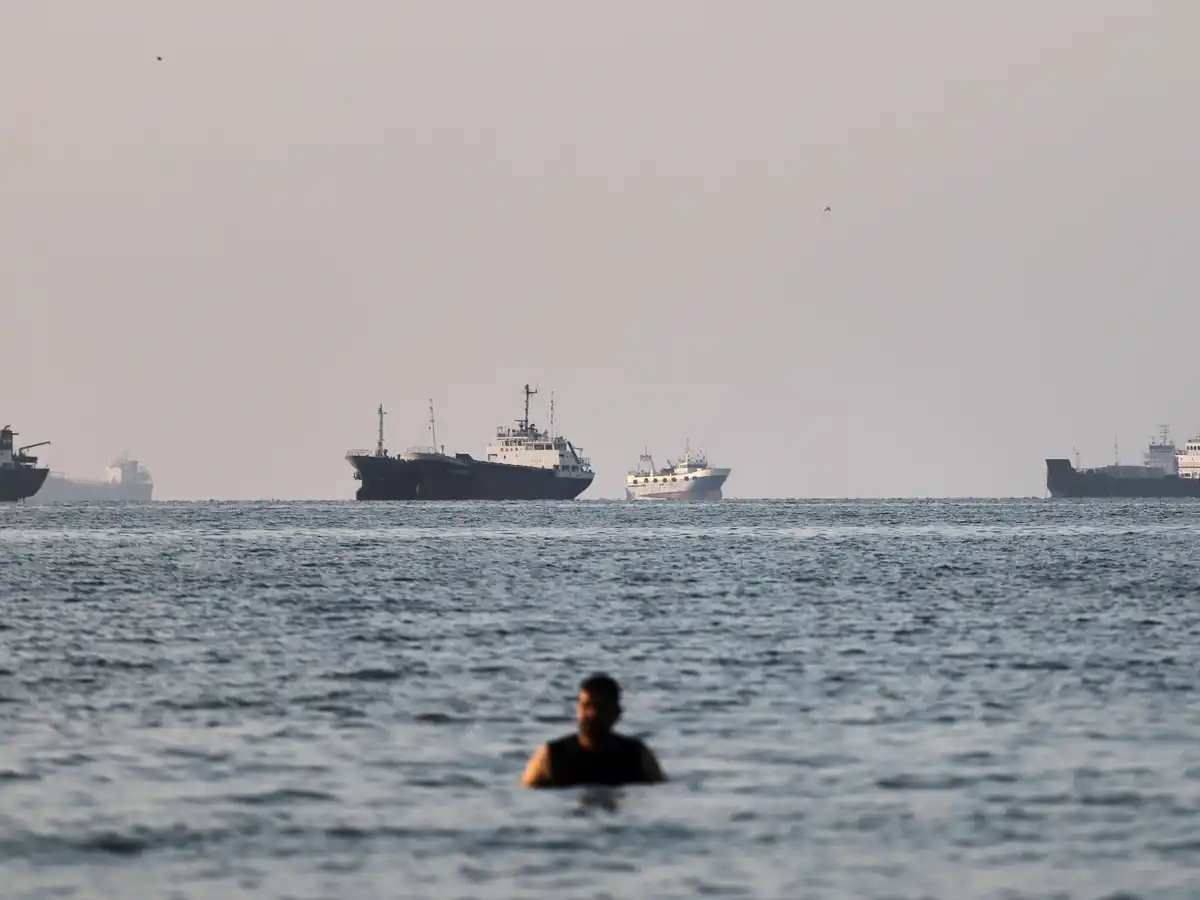
The partial reopening of the Strait of Hormuz after the MoU briefly eased pressure on global oil markets, allowing Iran to clear a backlog of supertankers. However, US Central Command (CENTCOM) reports intercepting 12 commercial vessels attempting to breach the blockade, disabling two non-compliant ships and boarding others, including the Iran-linked tanker Charminar, sanctioned for alleged ties to shadow fleet operations.
A prolonged blockade risks further revenue losses, particularly at Kharg Island, which handles 90% of Iran’s crude exports. Authorities warn that disruptions could cripple petrochemical production and delay a costly restart of idled facilities.
Fuel Shortages and Economic Instability
Iran’s government is grappling with a daily petrol deficit of over 20 million litres, managed through limited imports, fuel blending, and inventory drawdowns. The Petroleum Ministry has hinted at tighter monthly consumption caps and a possible doubling of prices for a third-tier petrol quota—a move that could reignite public unrest, as seen in December’s nationwide protests and the deadly 2019 fuel price hike.
Rolling electricity cuts, exacerbated by a 35% drop in natural gas output due to US and Israeli airstrikes, have disrupted water supplies and communications. President Masoud Pezeshkian has ordered industries spared from blackouts until late September to protect jobs, but chronic inflation and a 45% poverty rate—up from 30% five years ago—continue to erode purchasing power.
Expanding Maritime Disruptions Beyond Hormuz
The conflict’s ripple effects extend to the Red Sea, where Iran-aligned Houthis have declared a blockade against Saudi Arabia, targeting vessels near the Bab al-Mandeb strait. While Chinese supertankers continue transiting, war-risk premiums have surged, raising import and insurance costs. Meanwhile, Ukraine’s strike on an Iranian vessel in the Caspian Sea—allegedly carrying military cargo—has raised fears of further escalation in a previously secure trade corridor.
Iran’s non-oil trade with China, its largest partner, has plummeted 75% since the war began, while Caspian Sea imports—including wheat, timber, and fertiliser—face new risks. Hardline analysts, such as Islamic Revolutionary Guard Corps-linked commentator Mahdi Kharratiyan, argue the intertwined Middle East and Ukraine conflicts demand deeper alliances with Russia and China.
With mediated talks yielding limited progress and military tensions simmering, Iran’s economic outlook hinges on whether the US blockade persists—and whether domestic unrest forces the government’s hand on unpopular measures like fuel price hikes.