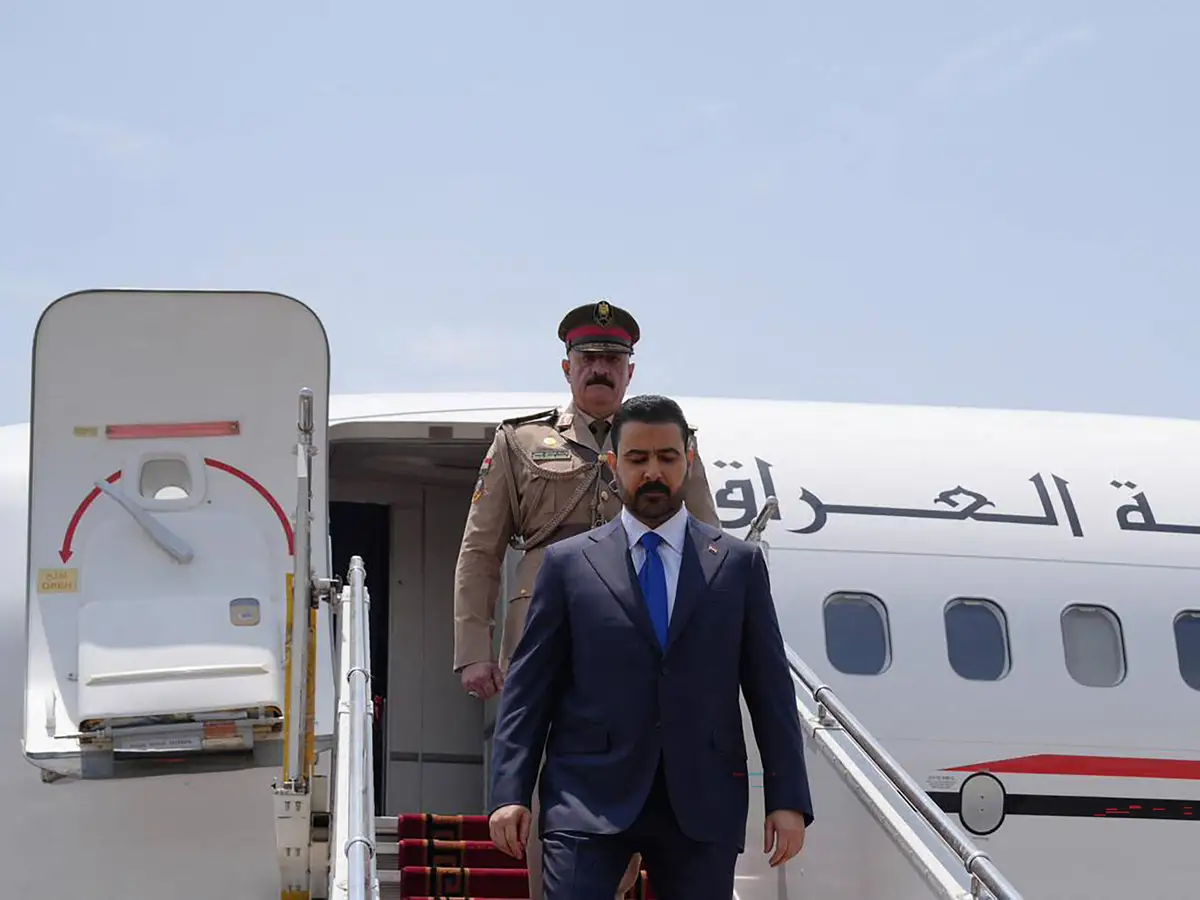
Iraqi Prime Minister Ali al-Zaidi is visiting Turkiye, accompanied by ministers and senior officials, to focus on strategic cooperation, security, water, and economy. For context, relations between Iraq and Turkiye have fluctuated over the past decade, with Iraq prioritizing ties due to its dependence on oil and water resources.
Iraq-Turkiye Relations and Oil Exports
The two countries are seeking to sign an oil pipeline agreement, with a technical delegation from Iraq's Ministry of Oil arriving in Ankara to finalise a one-year extension of the old oil-exporting agreement. Turkiye wants to increase the interest from $1.35 to $7 per barrel, with an export capacity of at least 1.5 million barrels per day.
A source from Iraq's Ministry of Oil stated that the new Turkish terms are "very difficult to be accepted by Iraq," highlighting the challenges in negotiating a new deal. Iraqi Oil Minister Basim Khudair emphasized the need to find new export outlets away from the Strait of Hormuz, which "no longer meets Iraq's requirements."
Security Ties and Regional Dynamics
The presence of Turkish forces on Iraqi soil to fight the Kurdistan Workers' Party (PKK) remains a sensitive issue, with Turkiye viewing the armed group's presence as a national security threat. Despite the challenges, there is wide support in Iraq to strengthen relations with Turkiye, driven by the belief that ties with the neighbouring country serve Iraq's national interests.
According to Issam al-Faily, a political science professor, "there is a strong Iraqi desire to deepen relations with Turkiye in many aspects, especially in oil, as Turkiye becomes one of the most important countries in the region in terms of transit routes for exporting oil to Europe and the rest of the world." However, al-Faily noted that the covert Turkish-Iranian rivalry may prevent al-Zaidi from achieving his aspirations in relations with Turkiye.
Upcoming Developments and Key Projects
During his visit, al-Zaidi is expected to pursue the establishment of strong trade, development, and economic ties, while seeking to draw from Turkiye's experience in various industries. A key project is the Development Route, a vital transport project connecting Iraq's al-Fao port to the Iraq-Turkiye-Syria border triangle. However, Abd al-Jabar Ahmad, a professor of political science, cast doubt on the project's feasibility, citing Ankara's involvement in a competing transport corridor.
Water management is also expected to be prioritised during al-Zaidi's discussions in Turkiye, with Iraq blaming Turkiye for building dams that have affected the flow of water from its two main rivers, the Tigris and the Euphrates. As the visit concludes, readers should watch for developments on the oil pipeline agreement, security ties, and key projects, which will shape the future of Iraq-Turkiye relations.