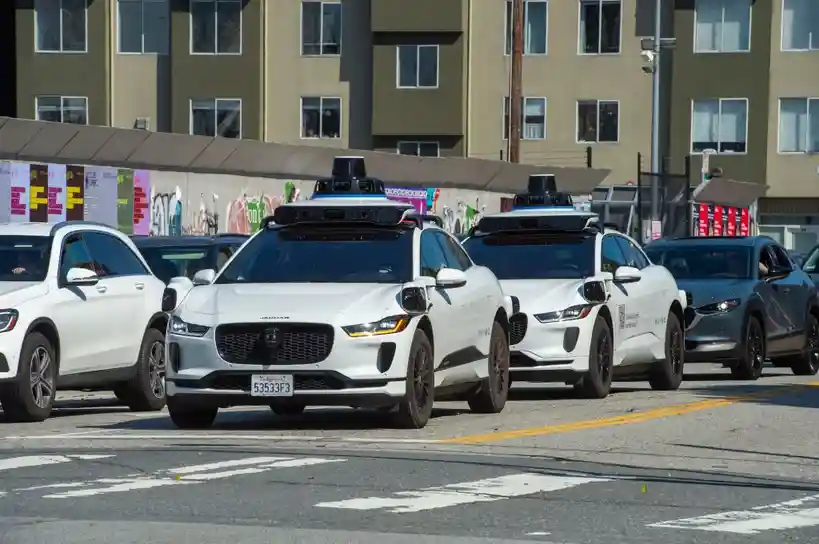
San Francisco Mayor Daniel Lurie is urging state regulators to tighten rules for autonomous vehicles after Waymo robotaxis caused a major traffic jam on July 4, stranding thousands for hours.
The incident occurred when Waymo’s self-driving cars ran out of power in heavy holiday traffic, blocking key streets and trapping municipal shuttles. In a letter to the California Department of Transportation, Lurie cited this and a December power outage as proof that current regulations fail to address AV performance during major disruptions.
Proposed standards for autonomous vehicles
Lurie called for four “core operational capabilities” to prevent future gridlock. Under his plan, companies must:
- Immediately remove or relocate stalled robotaxis from active travel lanes
- Adapt routes, service areas, and pickup/drop-off locations in real time
- Share real-time data on disruptions, immobile vehicles, and recovery efforts with local agencies
- Prove through testing they can handle large traffic surges
Waymo’s growing presence in California
Waymo operates an estimated 1,000 robotaxis in the Bay Area, the largest fleet among six companies with driverless testing permits in California. The state’s existing framework is stricter than others like Texas and Arizona, but Lurie argues voluntary measures—such as Waymo’s July 4 waterfront restrictions—are no longer sufficient.
TechCrunch has requested comment from Waymo. The article will be updated upon response.


