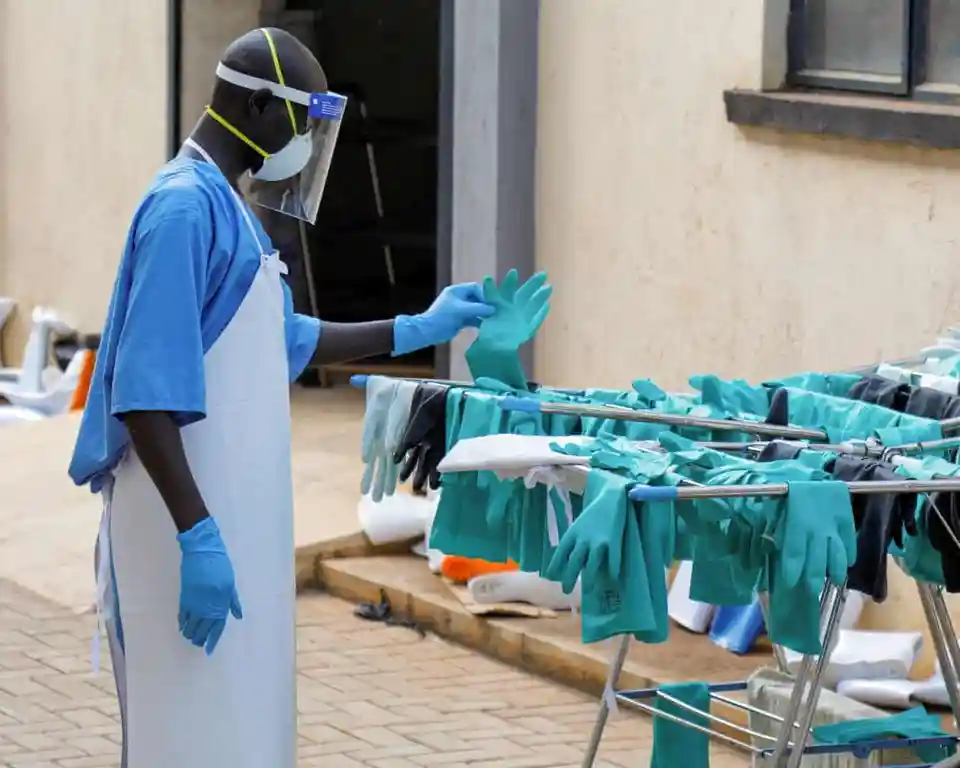
Uganda has begun urging countries to lift Ebola-related travel bans after discharging its last confirmed patient, a Congolese national, from a Kampala hospital on Thursday. The move starts a 42-day WHO-mandated countdown before Uganda can be declared Ebola-free if no new cases emerge.
Outbreak Impact and Global Response
The outbreak infected 20 people and killed two, with 15 countries still enforcing partial or full travel restrictions despite Uganda’s containment efforts. The U.S. maintains a Level 4 travel advisory for Uganda, grouping it with high-risk nations like North Korea and Afghanistan.
Health Minister Dr. Chris Baryomunsi emphasized the economic toll of restrictions, stating, “We are engaging those countries to reopen travel so the economy does not suffer.” He noted Uganda is not yet Ebola-free under WHO rules, which require two 21-day incubation periods without new cases.
Uganda’s Containment Success
Uganda’s outbreak, linked to the Bundibugyo strain, saw a case fatality rate under 10%—far below the typical 30%—due to rapid response. WHO representative Dr. Kasonde Mwinga credited pre-positioned supplies, trained teams, and treatment facilities for the success.
- 20 confirmed cases (15 Congolese nationals, 4 health workers, 1 driver)
- 2 deaths
- First declared by WHO on May 17
Cross-Border Efforts and Vaccine Progress
Uganda and the DRC signed a cooperation agreement, with Uganda deploying 50 health workers and four labs to the DRC to curb cross-border spread. Meanwhile, Oxford University launched the first Phase I trial for a Bundibugyo strain vaccine, with Uganda poised to join future studies.
DRC’s outbreak remains severe, with 2,073 confirmed cases and 796 deaths as of July 14. Uganda’s health officials warn vigilance is critical, as the DRC’s crisis continues.