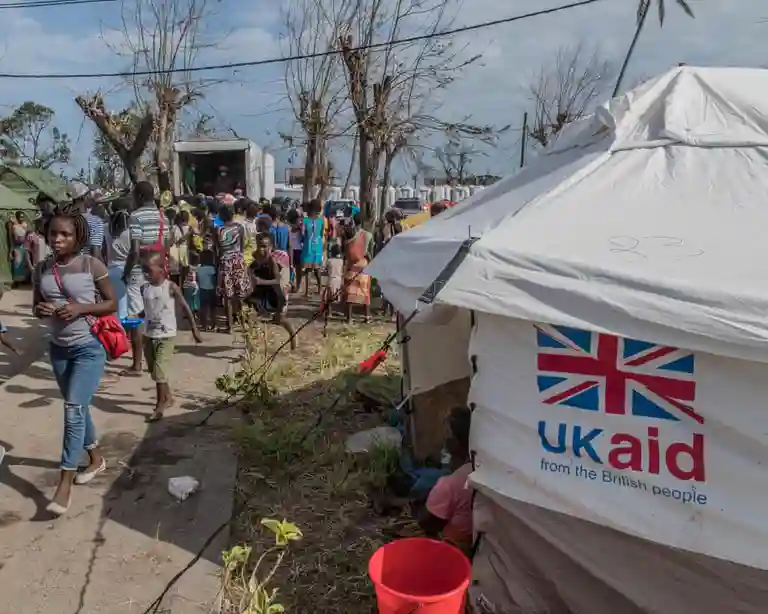
UK aid cuts will reduce bilateral support to some African countries by as much as 90%, according to Foreign Office figures released in its annual report. The reductions, part of Labour’s broader overseas development budget adjustments, will see Mozambique and Malawi face 90% cuts by 2029, with Rwanda and Sierra Leone experiencing 80% reductions and Somalia 49%.
Impact of UK aid cuts on African development
Analysis by Bond, the umbrella group for development charities, highlights the severity of the reductions. Romilly Greenhill, Bond’s chief executive, warned that the cuts risk destabilising communities already grappling with conflict and climate crises, potentially pushing populations into deeper poverty.
The Labour government, led by Keir Starmer, announced the aid reductions last year to redirect funds toward defence spending. This shift prompted the resignation of Anneliese Dodds as development minister. The government has since prioritised multilateral funding through organisations like the World Bank, arguing this approach maximises the impact of limited resources.
Government and charity responses to the cuts
In a parliamentary statement, Foreign Secretary Yvette Cooper acknowledged the reductions but emphasised the UK’s continued commitment to global development. She stated that the government would maintain high ambition through modernised partnerships, even as direct grant spending decreases.
Charities, however, have expressed concern over the long-term consequences. Lisa Wise, director of global outcomes at Save the Children, criticised the budget allocations, stating they reflect a broader reduction in public investment for the world’s most vulnerable populations. She added that the decisions send a clear message about the UK’s evolving role on the international stage.
Future of UK development policy
The next steps for Labour’s development strategy will depend on the incoming prime minister, Andy Burnham, and his choice for foreign secretary. Ed Miliband, the current energy secretary, is among the frontrunners for the role. Some MPs have urged Burnham to restore the UK’s leadership in development, including a return to the 0.7% national income target for overseas aid.
With the UK set to chair the G20 next year, Greenhill called on the new leadership to use the position to advocate for global reforms addressing poverty and inequality. Development Minister Jenny Chapman defended the cuts, arguing that the world’s interconnected crises demand a more efficient use of UK aid, ensuring every pound delivers maximum impact for both global communities and domestic taxpayers.