Fighting between the United States and Iran escalated yesterday as Tehran launched missiles towards U.S. forces in the Middle East, which were subsequently intercepted. This development coincides with impending Senate scrutiny of Dr. Anthony Fauci regarding the origins of the COVID-19 pandemic.
US and Iran Exchange Fire in Middle East
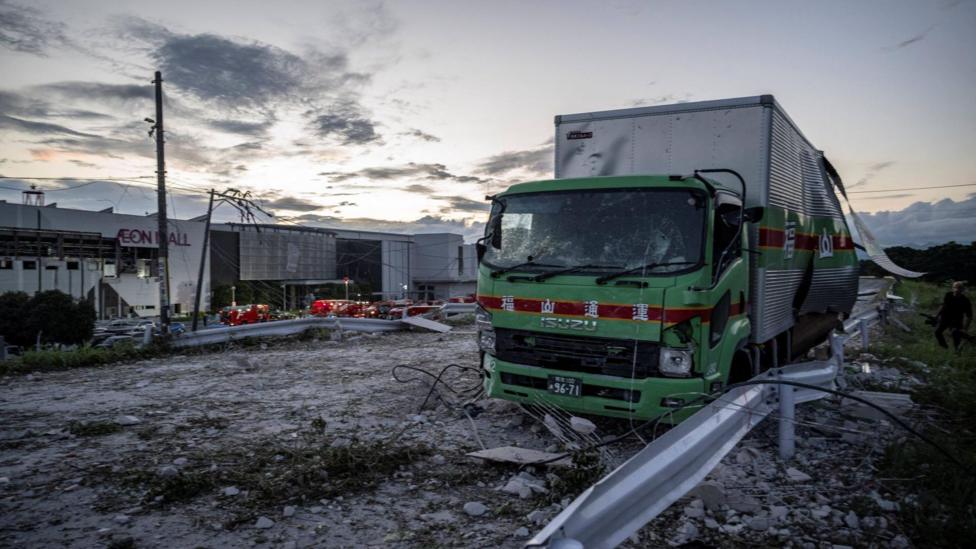
U.S. Central Command reported that Iran launched missiles at U.S. forces in the Middle East yesterday, shortly before 6 p.m. ET. All projectiles were intercepted. In response, U.S. and Saudi forces conducted retaliatory strikes against Iranian-backed militias in Iraq, representing a notable display of military action from Saudi Arabia in this regional tension.
The heightened conflict occurred on the same day that President Trump held meetings at the White House with Israeli Prime Minister Netanyahu and Ukrainian leader Zelenskyy. Prime Minister Netanyahu aimed to leverage his discussion with the President to strengthen the often strained relations between the United States and Israel.
Dr. Fauci to Testify on COVID-19 Pandemic Origins
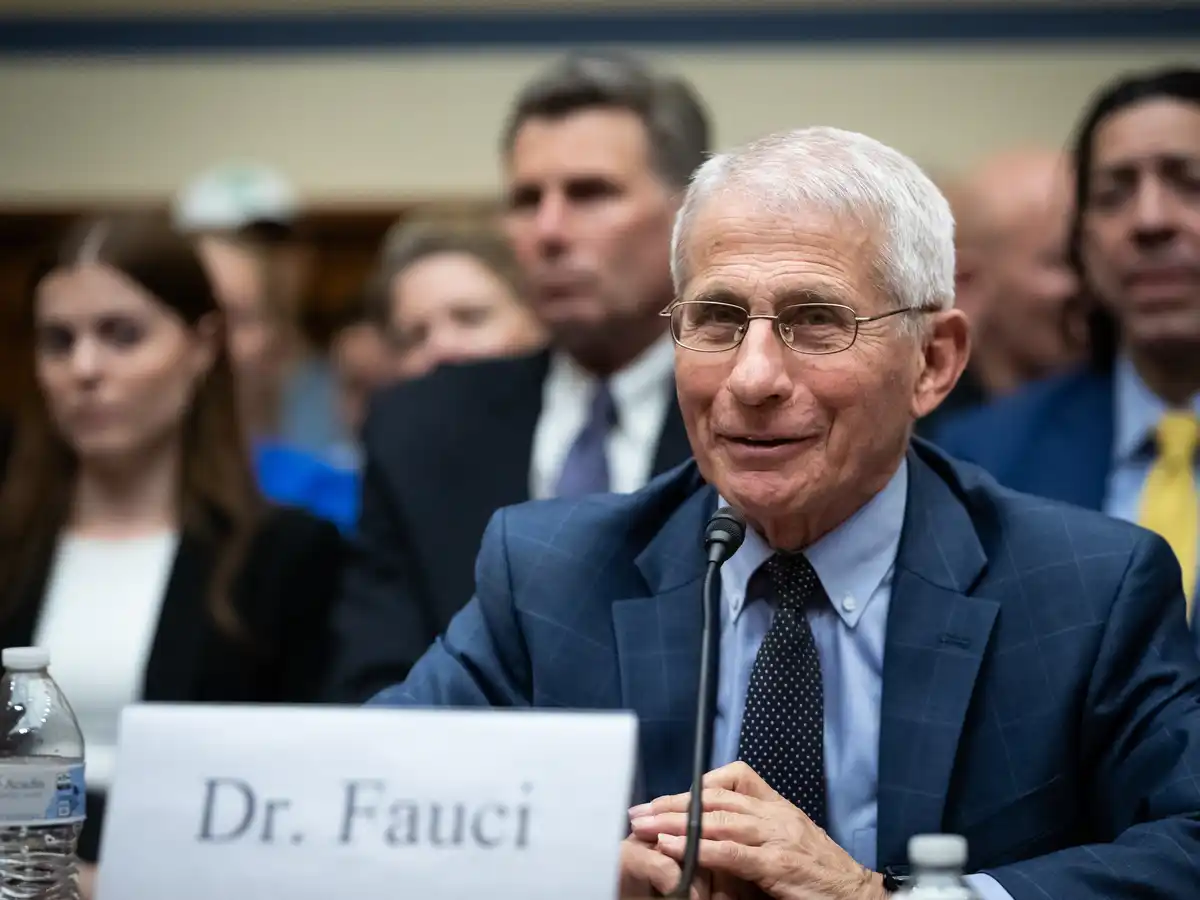
Dr. Anthony Fauci is scheduled to appear before a Senate committee today to address ongoing investigations into the origins of COVID-19. This hearing follows years of deliberation concerning the potential for the virus to have originated in a Chinese laboratory. The prevailing scientific consensus posits that the virus transmitted naturally from an animal source to humans.
In anticipation of the hearing, Senator Rand Paul, R-Ky., made public diary entries that he claims Dr. Fauci, who served as the nation's leading infectious disease specialist throughout the COVID-19 pandemic, authored between December 2019 and December 2022. Senator Paul initially posted over 1,000 pages of these entries over the weekend, subsequently removed them, and then reissued them yesterday with redactions. He asserted via social media that the diaries reveal a discrepancy between Dr. Fauci's private reflections and his public statements.
Federal Reserve Considers Interest Rate Path
Federal Reserve policymakers are convening today to deliberate on the direction of interest rates. Kevin Warsh, who assumed the role of Fed chairman two months prior, indicated earlier this month that he and the rate-setting committee remain committed to price stabilisation. In June, committee members suggested that a rate increase was the probable next action.
However, inflation moderated to some extent last month, potentially prompting the Federal Reserve to maintain current interest rates for the interim. This decision carries significant implications for the broader economy.
Iowa Water Quality Becomes Election Issue
Concerns over water quality in Iowa have reached a point where they may influence the upcoming November midterm elections for governor. According to the Iowa Cancer Registry's most recent report, Iowa exhibits the second-highest cancer rate in the United States, with these rates continuing to climb. Discussions linking the state's water quality to rising cancer rates have become a prominent political talking point.
Both gubernatorial candidates, Democrat Rob Sand and Republican Zach Lahn, have stated that enhanced measures are necessary to improve water quality within the state. While their proposals have largely concentrated on voluntary and incentivised initiatives, some farmers have expressed the view that these approaches are insufficient. Notwithstanding their neutral stance in the gubernatorial race, farmers have agreed to engage in discussions with both Mr. Sand and Mr. Lahn regarding this critical issue.
European Wildfires Highlight Climate Change Impact
Wildfires across Spain and southwestern France have necessitated the evacuation of hundreds of thousands of individuals from their residences and holiday destinations during the summer period. The wildfire in France's Gironde region, situated near Bordeaux, has alone consumed an area four times the size of Paris and resulted in the displacement of 220,000 people. Europe is presently contending with increasingly frequent and severe fire seasons.
The continent is identified as the world's fastest-warming, with temperatures escalating at more than double the global average, as per the European Union's Copernicus Climate Change Service. The widespread disruption and devastation observed in both nations underscore the profound impact of climate change on communities and natural landscapes.