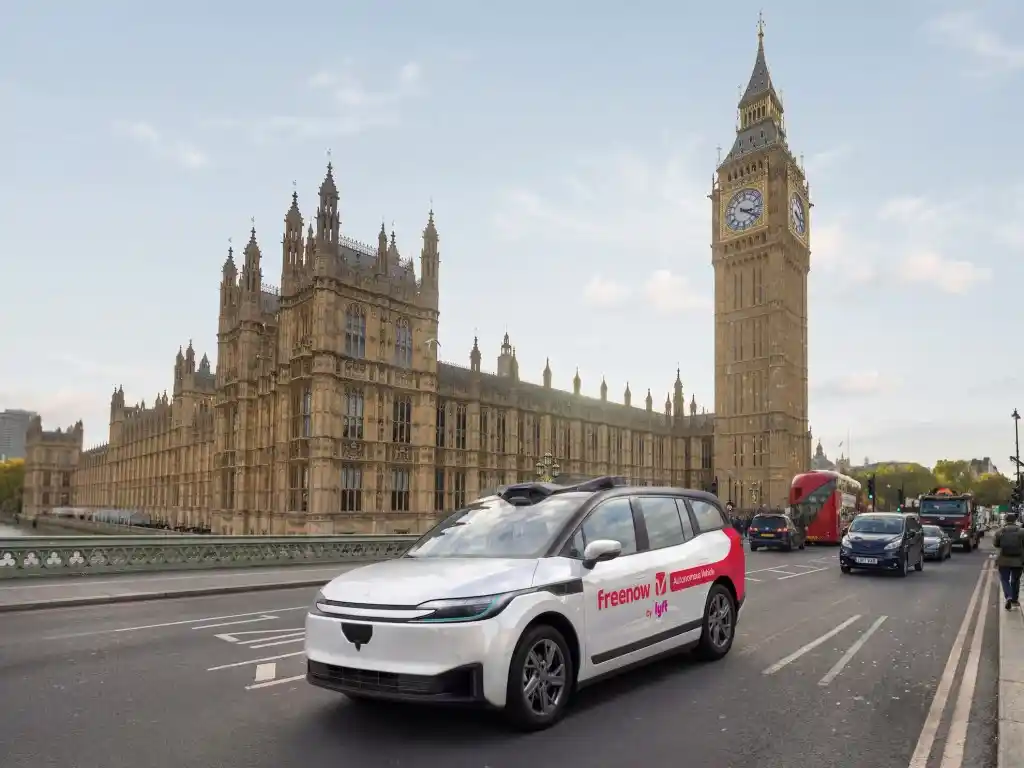
Chinese technology firm Baidu has initiated autonomous vehicle testing in London, a key development in the city's burgeoning robotaxi sector. This testing, conducted in partnership with Lyft and its subsidiary Freenow, signifies a direct engagement with the UK's evolving self-driving technology landscape.
London's Robotaxi Landscape Expands
Baidu's commencement of testing in London places it among a growing cohort of companies exploring the potential of autonomous vehicle deployments within the United Kingdom. The initiative follows a strategic alliance formed nearly a year prior between Baidu and Lyft, intended to introduce Baidu's Apollo Go RT6 robotaxi across major European markets, utilising the Lyft platform.
These autonomous vehicles are slated for future deployment through Freenow, the German taxi and multi-mobility application that Lyft acquired in 2025 for approximately $197 million. This acquisition provided Lyft with a substantial entry point into the competitive European ride-hailing market, where numerous well-funded entities are vying for early market leadership in robotaxi services.
Key Players Vie for Autonomous Dominance
London, in particular, is emerging as a focal point for this technological competition. Notably, Waymo, a prominent player in the autonomous vehicle space, also commenced its own vehicle testing in the capital city with human safety operators in April. Furthermore, ride-sharing giant Uber, in collaboration with its self-driving technology partner Wayve, has outlined plans for a London robotaxi service launch this year.
Customers can presently register their interest for Uber's initial service, which will operate with human safety operators present before transitioning to fully driverless operations at a later stage. Baidu and Freenow by Lyft anticipate making their robotaxis available to the public in 2027, although a more precise timeline remains contingent upon regulatory approvals.
Testing and Regulatory Framework
For the immediate future, the testing operations will involve dozens of Baidu's vehicles operating within the London borough of Brent. Representatives from Lyft and Freenow have indicated ongoing discussions with safety advocates and municipal authorities, including Transport for London (TfL) and the Centre for Connected and Autonomous Vehicles (CCAV).
The UK government is actively engaged in establishing comprehensive regulations for autonomous vehicles. In May, the government opened applications for companies to participate in an AV pilot programme, facilitating the testing of self-driving vehicles under governmental supervision. Upon its eventual launch, Freenow by Lyft intends to operate a hybrid model, integrating human drivers of taxis and private-hire vehicles alongside the autonomous fleet, a strategy mirroring that of competitor Uber.
Thomas Zimmermann, CEO of Freenow by Lyft, emphasised the company's commitment to supporting professional drivers, stating in a released statement, “As a platform with deep roots in the taxi industry, our priority is ensuring that autonomous technology supports the professional drivers who keep London moving.”