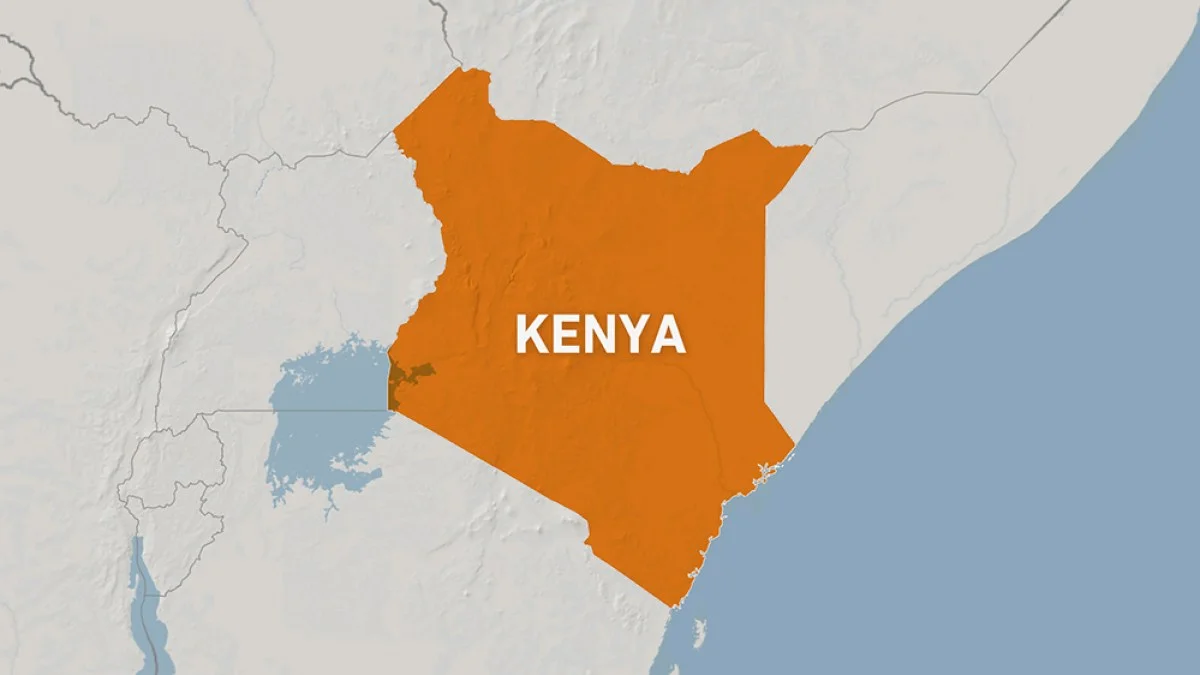
Five Kenyan security personnel were killed Tuesday in Mandera County, near the Somalia border, in an attack by the armed group Al-Shabab. The incident, which involved an initial ambush and a subsequent bomb blast, highlights ongoing security challenges in the northeastern region.
Al-Shabab Claims Responsibility for Border Ambush
Al-Shabab has claimed responsibility for the attack through an affiliated media outlet, stating its armed wing carried out the operation. Kenyan police confirmed on Wednesday that the ambush occurred before a bomb destroyed a reinforcement vehicle dispatched to the scene.
The attack took place near Wantey Dam, approximately 6 kilometers from the Lafey police station. A Special Operations Group patrol, described as an elite police counter-terrorism unit, came under fire shortly after midday.
Escalating Violence in Northeastern Kenya
This incident marks one of the deadliest in a recent series of attacks along the Mandera stretch, underscoring Al-Shabab's continued focus on the region. The group, linked to al-Qaeda, controls significant areas of south-central Somalia and has been engaged in conflict with the Somali central government for nearly two decades.
Kenya has partnered with Somali authorities to counter Al-Shabab since 2011, following the deployment of Kenyan troops into Somalia. Since then, the group has conducted repeated cross-border attacks into both Kenya and Ethiopia.
Strategic Context of Al-Shabab's Operations
A report submitted to Kenya's parliament last November identified the corridor around Lafey as a primary route for militant infiltration into the country. This report documented dozens of security force casualties in the wider region over the preceding year. Between September 2024 and August 2025, Kenya recorded 61 terror-related incidents across Mandera, Wajir, Garissa, and Lamu counties, with Mandera accounting for 38 of these.
Regional security analyst Samira Gaid noted that these cross-border attacks are a long-standing strategy of Al-Shabab, dating back to Kenya's 2011 intervention. Gaid explained that the group's objective in Kenya is not territorial control, but rather to increase the domestic cost of intervention for Kenya, aiming to coerce a withdrawal of troops from Somalia.
Regional Peacekeeping Efforts Under Scrutiny
The attack occurs as heads of state from countries contributing to the African Union's peacekeeping mission in Somalia are scheduled to meet. Discussions are expected to focus on the future of the mission, particularly following the United States' announcement of a reduction in crucial funding for the operation. Washington's decision in early July to end logistics support for the African Union Support and Stabilisation Mission in Somalia, which aids the Somali army against Al-Shabab, has raised concerns among experts about the peacekeeping force's viability.