Andy Burnham is preparing a sweeping overhaul of the UK Foreign Office, including a pledge to restore international aid spending to 0.7% of GDP, as he readies his policy agenda for his first day as prime minister.
The proposed reforms follow criticism within the Labour Party over the current government’s decision to cut development funding to 0.2% of GDP to offset rising defence costs. The 0.7% target, first introduced under Gordon Brown and maintained by David Cameron’s coalition, was later reduced under Boris Johnson, Rishi Sunak, and Sir Keir Starmer.
Foreign Office priorities under Burnham
Key changes include clarifying the UK’s stance on conflicts in Iran and Ukraine, as well as strengthening ties with Ukrainian President Volodymyr Zelensky. Senior Labour sources confirm that Burnham’s team has consulted party experts on restructuring the Foreign, Commonwealth and Development Office (FCDO).
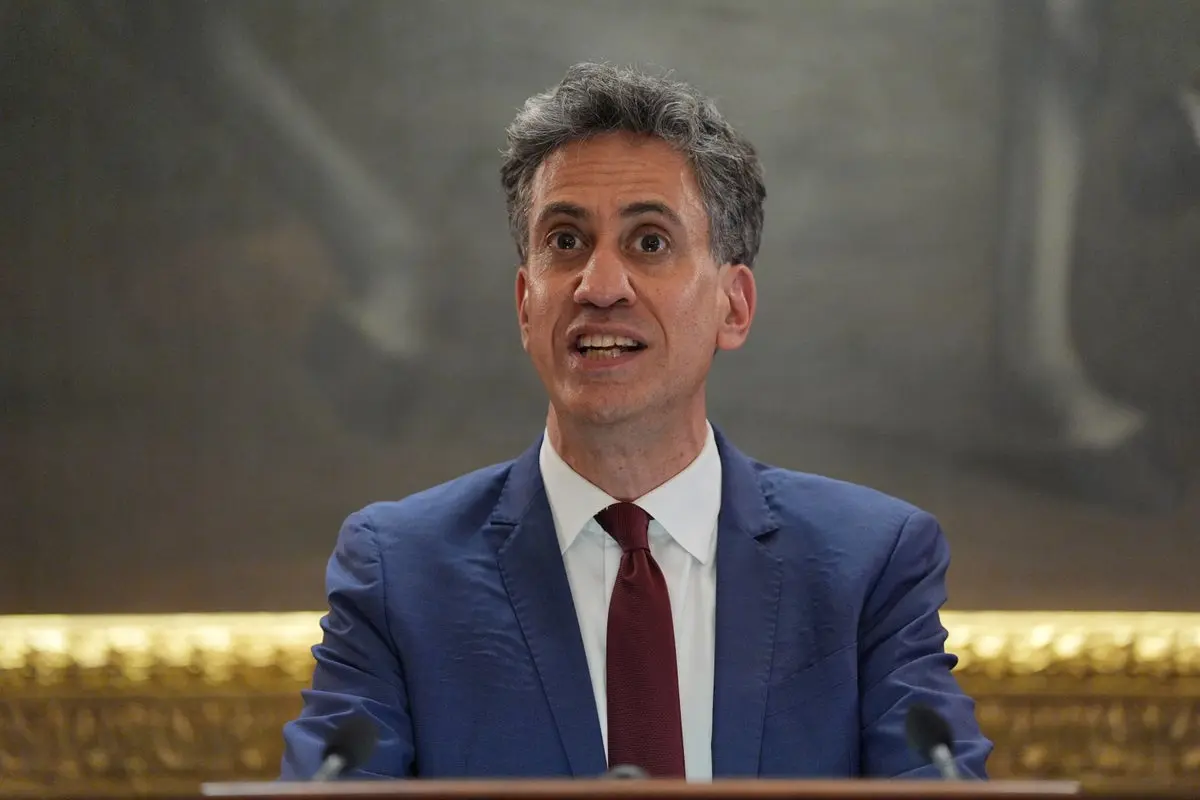
Ed Miliband, currently energy secretary, is widely expected to become foreign secretary, with a mandate to prioritize climate action and adopt a more progressive Middle East policy. Burnham has signaled dissatisfaction with the UK’s handling of the Gaza war, hinting at a firmer approach toward Israel.
Cabinet speculation and policy shifts
Miliband, initially a frontrunner for chancellor, may now lead the FCDO, where he is expected to reinstate the “Development” focus. His brother, David Miliband—president of the International Rescue Committee—has also advocated for the 0.7% aid target. Polly Billington, Ed Miliband’s adviser, has proposed reviving the Global Clean Power Alliance to counter reliance on fossil fuels.
Other Labour MPs, including Joe Powell, are pushing for stricter anti-corruption measures, targeting money laundering in London’s property market. Meanwhile, cabinet speculation suggests Lucy Powell could become deputy PM, while loyalists of Keir Starmer may return to the backbenches.
Conservative leader Kemi Badenoch has warned Burnham of a “rude awakening,” accusing him of avoiding scrutiny. The reforms are part of Burnham’s broader effort to distinguish Labour’s policies from previous administrations.