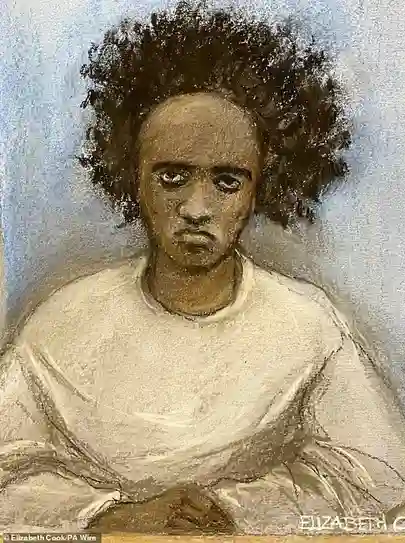
Axel Rudakubana, the 19-year-old convicted of murdering three children in Southport, has been transferred from HMP Belmarsh to Broadmoor Hospital, a high-security psychiatric facility where experts insist he will face stricter restrictions than in prison. The move, based on independent clinical assessments under the Mental Health Act, does not alter his life sentence but reflects concerns over his mental health requiring treatment beyond what prisons can provide.
Why Broadmoor is not an "easy ride" for Rudakubana
Former Broadmoor psychiatrist Dr Bradley Hillier dismissed claims that the transfer represents a softer regime, describing it instead as an environment with "increased levels of restriction" and "heightened scrutiny". Unlike conventional hospitals, Broadmoor operates with prison-level security, including double perimeter fences, locked wards, and enhanced screening for staff and visitors. Patients are barred from possessing phones or items that could be weaponised, with every movement monitored.
Dr Hillier, who has treated some of Britain’s most dangerous offenders, emphasised that the hospital’s focus on risk management often strips patients of rights they held in prison. "It may even remove rights that somebody has when they're in prison because there's so much focus on risk," he said. Rudakubana could initially be placed in seclusion, with checks every 15 minutes, and remain under such conditions for years if deemed necessary.
Security measures and potential risks inside Broadmoor
Broadmoor, one of three high-security psychiatric hospitals in England, has housed notorious figures including Peter Sutcliffe and Charles Bronson. Its procedures include multiple locked doors, constant observation, and strict controls on patient interactions. While some patients eventually gain access to structured activities like education or work placements, these privileges depend on repeated risk assessments.
A former senior staff member warned that Rudakubana’s notoriety could make him a target among other patients. "It is a potential situation with any high-profile individual," Dr Hillier acknowledged, though he noted Broadmoor’s experience in managing such risks. The hospital’s security protocols are designed to prevent unauthorised access to patients or their treatment teams.
Victim families react as taxpayer costs rise
The transfer has provoked outrage among the families of Rudakubana’s victims, who were given minimal details about the decision. Lawyer Chris Walker, representing the bereaved, questioned whether the move was an attempt to "manipulate the system", while the Prison Officers’ Association called Rudakubana "evil" and demanded he serve his full 52-year sentence in solitary confinement.
The Ministry of Justice confirmed the transfer followed "rigorous security checks" and that Rudakubana will remain under constant supervision. Annual costs for his care could exceed £300,000, funded by taxpayers. A spokesman stressed: "High secure hospitals are not places of freedom. He will be returned to prison as soon as possible."
Rudakubana’s mental health history remains under scrutiny. Though diagnosed with autism, no psychiatric evidence linked his condition to the July 2024 attack, in which he killed Bebe King, Elsie Dot Stancombe, and Alice da Silva Aguiar during a Taylor Swift-themed dance class. A public inquiry has since examined his prior interactions with mental health services, including referrals to the Prevent counter-terrorism programme. His transfer to Broadmoor does not signal a reduction in his sentence but reflects the need for specialised treatment—one that experts insist will be anything but lenient.