Canada is considering retaliatory tariffs against the United States, with Prime Minister Mark Carney stating that "everything's on the table" if a trade agreement is not reached, as the US prepares to impose duties of between 10 and 12.5 per cent on dozens of countries, including Canada, in its latest trade action, which is set to take effect on a date to be determined by the White House.
Trade Tensions Escalate with US Tariff Imposition
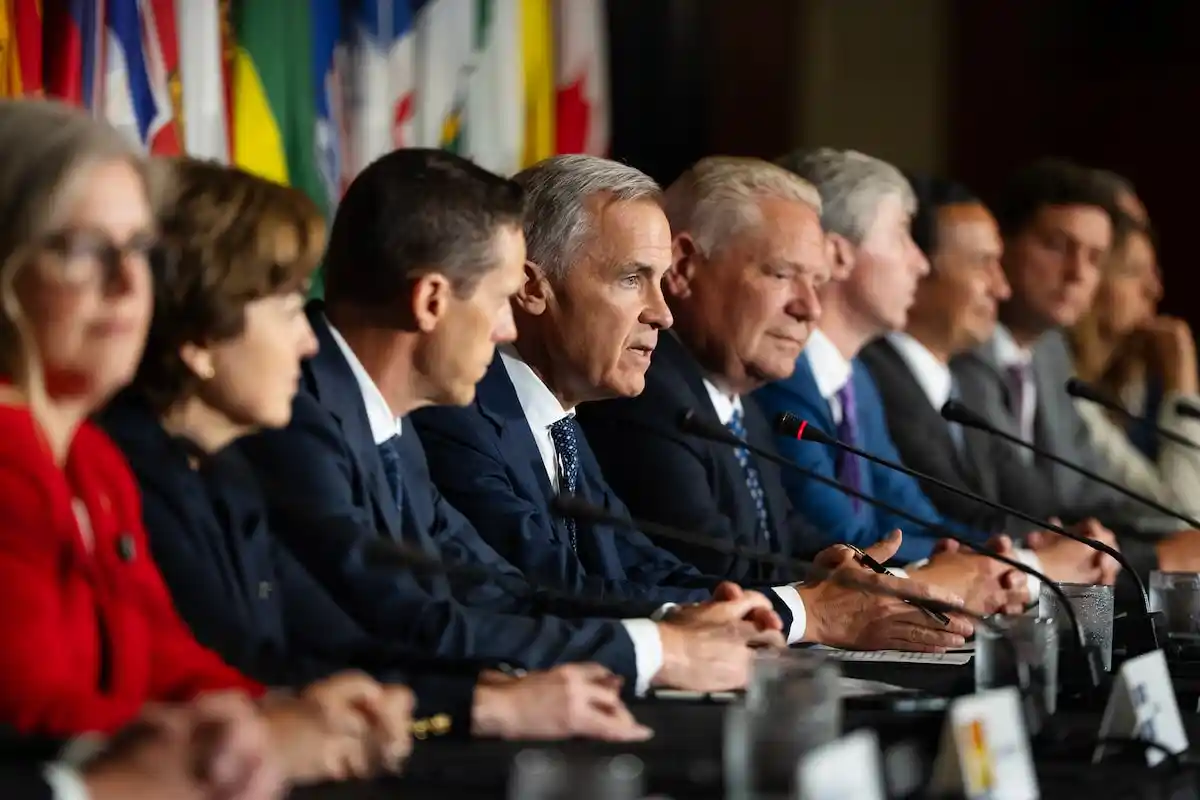
The US President, Donald Trump, is moving forward with the new wave of trade actions, which has prompted Canada to reassess its trade strategy and consider imposing retaliatory tariffs, with the goal of avoiding punitive measures, according to Prime Minister Carney, who spoke at the close of his first ministers meeting in Charlottetown, where the trade situation was a key topic of discussion.
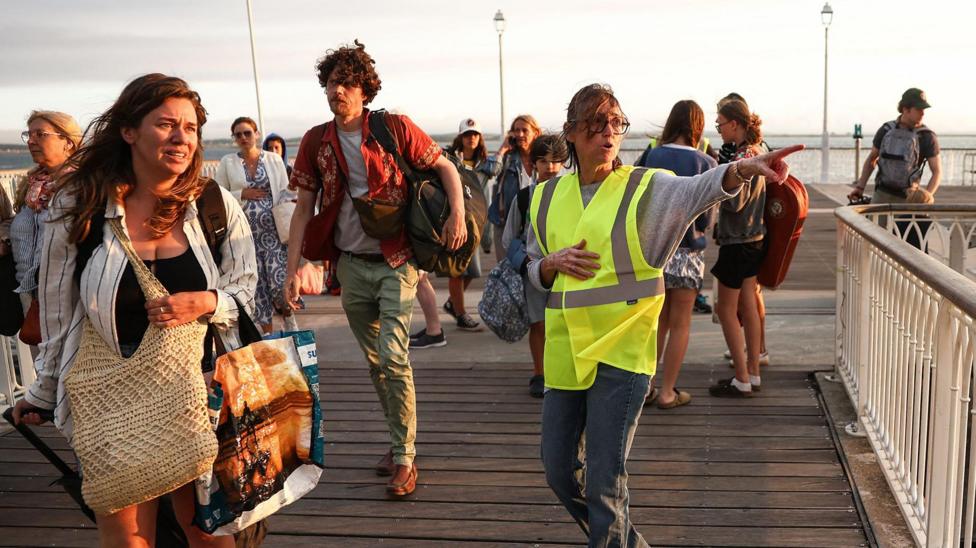
Meanwhile, the situation in British Columbia is becoming increasingly dire, with the province expected to face a wildfire season as harsh as some of the worst on record, with spring weather projections indicating a high risk of wildfires, similar to those experienced in 2017, 2018, and 2021, and the entire village of Clinton in the southern Interior is under an evacuation alert, as conditions in East Kootenay, near Kimberley, have worsened due to warmer temperatures, stronger winds, and abundant receptive fuel, which have increased fire behaviour and smoke production.
Global Conflict and Trade Instability
In other news, Yemen's Iran-backed Houthi rebels have attacked two Saudi oil tankers in the Red Sea, potentially widening the Iran war and escalating tensions in the region, with Tehran and the US stepping up their attacks as they vie for control of the Strait of Hormuz, and markets responding, as Brent Crude hit US$100 a barrel for the first time since May, and Saudi Arabia has been ramping up its use of alternative shipping routes, with more than 93 crude oil tankers operating in the Red Sea on Tuesday, compared to 50 tankers a day before the war, according to Kpler, a maritime intelligence firm.
The US House has passed a resolution to halt military action in Iran, which is largely symbolic, but indicative of the shifting landscape of global conflict and trade instability, with the US and Iran trading blows again, and the situation continuing to unfold, with the US imposing sanctions and Iran responding with attacks on oil tankers, and the international community watching with concern, as the situation has the potential to impact global trade and oil prices.
Immigration and Economic Developments
In the US, immigration crackdown sweeps are attracting renewed attention, with ICE arresting 39,563 people in June, its highest-ever monthly total, and Republican lawmakers authorizing a further US$70-billion for the deportation campaign, which has sparked debate and controversy, and in Canada, the international development community is being urged to look inward and address its own history of injustice, rather than demanding justice elsewhere, according to Themrise Khan, and a University of Toronto mathematician, Jacob Tsimerman, is among the 2026 winners of the Fields Medal, the profession’s highest accolade.
As the situation continues to unfold, readers can expect further developments in the trade relations between Canada and the US, as well as updates on the global conflict and trade instability, and the impact of immigration policies on communities, and for those interested in staying informed, it is recommended to follow reputable news sources and stay up-to-date on the latest developments, as the situation is complex and multifaceted, and requires ongoing attention and analysis.
What to Watch For
Readers should watch for further announcements from the Canadian government regarding its trade strategy and potential retaliatory tariffs, as well as updates on the situation in British Columbia and the global conflict, and the impact of immigration policies on communities, and for those interested in staying informed, it is recommended to follow reputable news sources and stay up-to-date on the latest developments, as the situation is complex and multifaceted, and requires ongoing attention and analysis, and key statistics to watch include the number of crude oil tankers operating in the Red Sea, the price of Brent Crude, and the number of arrests made by ICE.
- 93 crude oil tankers operating in the Red Sea on Tuesday
- US$100 a barrel for Brent Crude
- 39,563 people arrested by ICE in June