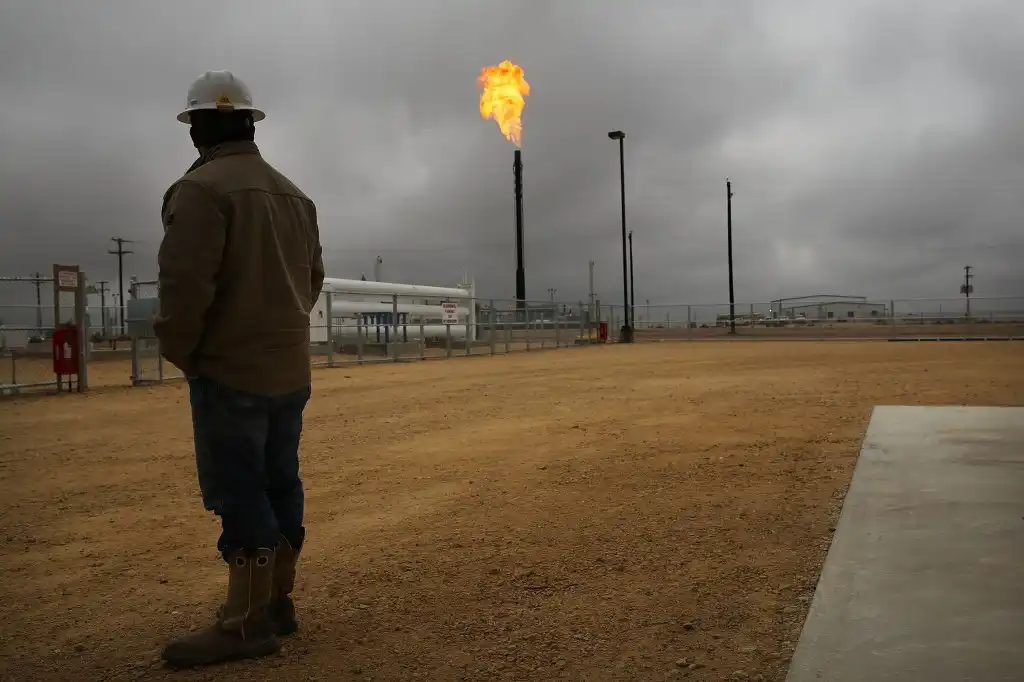
Meta has withdrawn from the RE100, a global corporate renewable energy initiative, as it ramps up construction of natural gas power plants to fuel its AI data centers. The company confirmed its exit after a decade of membership, coinciding with plans to build at least 12 gas-fired facilities in the past year alone.
Why Meta Left the RE100 Clean Energy Group
The departure from RE100, a program run by the UK-based nonprofit Climate Group, was described as mutual by a Meta spokesperson. The initiative requires members to commit to 100% renewable energy, but recent updates have tightened reporting standards for progress. Meta had previously pledged to power its operations entirely with renewable electricity by 2020.
Competitors like Apple, Google, and Microsoft remain in the group, which counts 444 corporate members. Neither Meta nor the Climate Group provided specific reasons for the split, though the timing aligns with Meta’s aggressive expansion of fossil fuel infrastructure.
Meta’s Natural Gas Buildout for AI Data Centers
Meta’s shift toward natural gas includes a 200-megawatt plant in Ohio and 10 additional facilities in Louisiana, totaling 7.5 gigawatts—enough to power South Dakota. The company maintains it will match data center electricity use with "100% clean and renewable energy," primarily through environmental attribute certificates.
However, natural gas still generates significant pollution. A 1-gigawatt data center running on gas emits 438 metric tons of nitrogen oxides, 149 metric tons of fine particulate matter, and 298 metric tons of carbon monoxide annually, contributing to respiratory diseases and climate change.
- Ohio: 200-megawatt behind-the-meter gas plant (announced June 2023)
- Louisiana: 10 gas plants for Hyperion data center (7.5 gigawatts total)
- Pollution per 1-gigawatt gas-powered data center: 438 metric tons NOx, 149 metric tons PM2.5, 298 metric tons CO
What This Means for Tech’s Energy Transition
Meta’s move reflects broader tensions in Big Tech’s energy strategy. While companies like Microsoft aim for hourly renewable matching, Meta’s reliance on annual offsets and gas plants highlights the challenges of scaling AI infrastructure sustainably. The departure from RE100 may signal a recalibration of corporate climate commitments as energy demands grow.
Observers will watch whether Meta’s approach becomes an industry norm or an outlier as regulators and investors pressure tech giants to align power procurement with climate goals.


