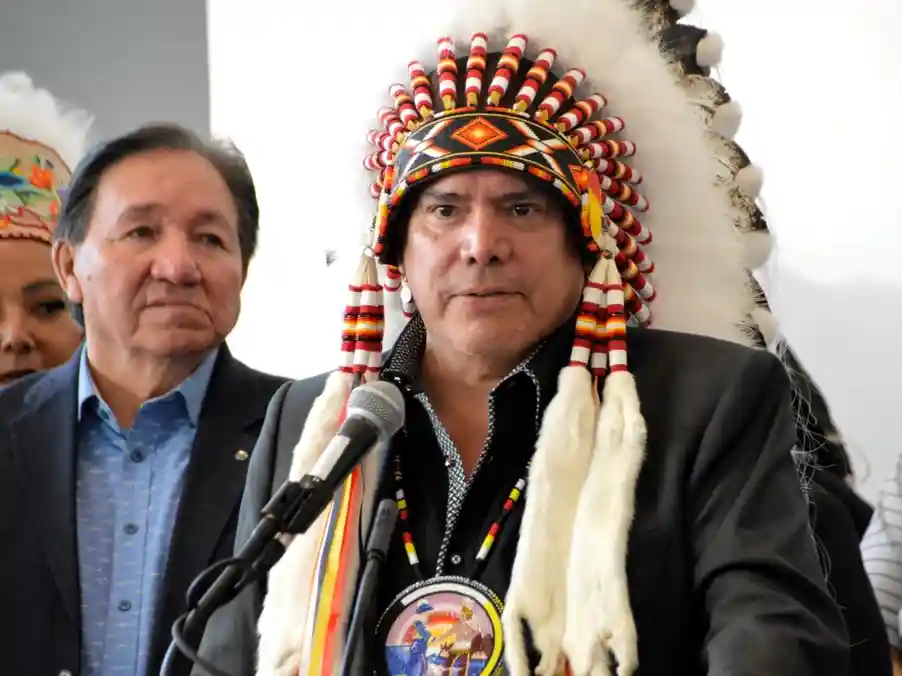
First Nations chiefs and some Canadian senators are pushing to make residential school denialism a criminal offense punishable by up to two years in prison.
The effort follows the 2021 Kamloops controversy, where 215 "anomalies" were detected but no bodies have been confirmed. Despite this, leaders continue to equate skepticism with genocide denial.
Legislative Push for Criminalization
In spring 2025, Nunavut Sen. Nancy Karetak-Lindell attempted to amend Bill C-9 to include residential school denialism, defining it as "condoning, denying or downplaying" the system's harms. The Senate rejected the amendment.
Earlier, NDP MP Leah Gazan introduced a similar bill in 2024, which stalled after first reading. On Wednesday, First Nations chiefs renewed calls for such a law, framing denialism as an attack on their "truth."
Kamloops Controversy and Language Shifts
At a press conference, Manitoba Keewatinowi Okimakanak Grand Chief Garrison Settee described the Kamloops site as a "crime scene" and "genocide," though he referred to "215 anomalies" rather than confirmed graves. B.C. Regional Chief Terry Teegee used the term "grave site" for the same findings.
Observers note that more precise language earlier in the controversy might have shaped public discourse differently. The debate now centers on whether criminalizing denialism protects truth or suppresses legitimate discussion.




