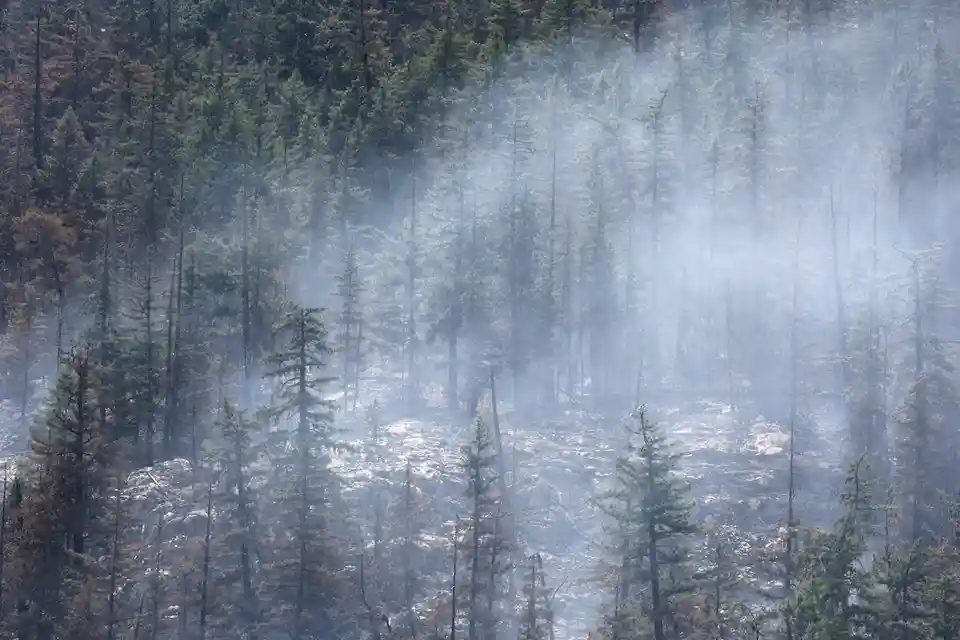
Canada’s wildfire crisis intensified on Sunday as 956 active blazes burned nationwide, with 139 classified as out of control, while smoke conditions improved in eastern North American cities.
The Canadian Wildland Fire Information System reported 2.9 million hectares scorched so far in 2026, exceeding long-term averages. Ontario, Quebec, and the Northwest Territories each saw over 700,000 hectares burned, with fire activity in Ontario and the Northwest Territories more than triple the 10-year average.
Lightning sparks new fires in British Columbia
British Columbia, previously spared severe activity this year, saw 100 new fires ignite after thousands of lightning strikes on Friday. The province’s 2023 fire season burned 2.8 million hectares, and officials blame the latest strikes for the surge.
Smoke from the fires had blanketed eastern North America earlier in the week, drawing criticism from U.S. politicians, including former President Donald Trump, who threatened tariffs. By Sunday, air quality improved in many affected areas, with New Jersey expected to clear in time for the World Cup Final.
Evacuations and criticism over response efforts
Yellowknife recorded the worst air quality in Canada on Sunday, while Halifax lifted a mandatory evacuation order for the Mooseland Road area after firefighters contained a 1,447-hectare blaze. However, authorities warned the surrounding area remained active.
Ontario faced backlash from First Nations communities over its wildfire response. Namaygoosisagagun First Nation Chief Helen Paavola stated her community received no evacuation assistance before fires destroyed it on Monday, forcing residents to flee by boat. Whitesand First Nation members also returned to evacuated areas, citing insufficient provincial support.
Ontario Premier Doug Ford defended his government’s efforts, stating all available resources were deployed. Natural Resources Minister Mike Harris claimed the fire’s proximity to Namaygoosisagagun and smoke conditions hindered response efforts.
Alert system expansion announced
Ontario’s Minister of Emergency Preparedness, Jill Dunlop, announced expanded access to the Alert Ready system for urgent public notifications. However, a spokesperson clarified the letter only reinforced awareness of existing protocols, with local officials authorized to request alerts through the Provincial Emergency Operations Centre.