The U.S. electric vehicle market has seen a wave of discontinuations in 2026, with major automakers including Honda, Tesla, and Polestar pulling models from production or sales. The shift follows declining demand, regulatory pressures, and strategic pivots toward new technologies.
Why automakers are discontinuing EVs in the U.S.
The expiration of the $7,500 federal tax credit in late 2025 contributed to a sharp drop in EV sales, with second-quarter 2026 figures showing a 20.5% decline compared to the same period in 2025. Additional factors include U.S. tariffs, rising costs, and competition from Chinese manufacturers. Despite these challenges, some brands, like Rivian, continue to introduce new models, signaling a cautious recovery.
Notable EVs discontinued or exiting the U.S. market
Several high-profile electric vehicles have been discontinued or withdrawn from the U.S. in 2026. Below is the full list of affected models and the reasons behind their departure.
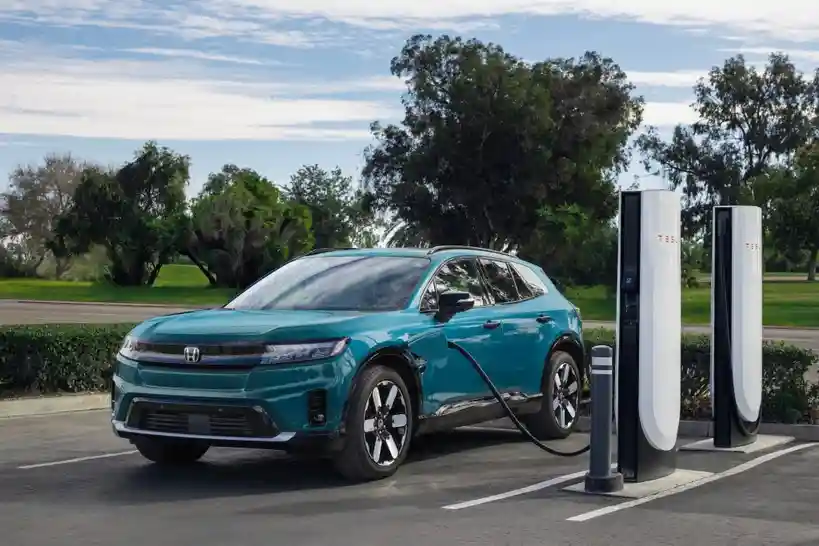
- Honda Prologue – Discontinued in July 2026, ending Honda’s last all-electric U.S. offering. Sales had fallen sharply after the tax credit expired, with roughly 33,000 units sold in 2024 and 39,000 in 2025.
- Afeela (Sony-Honda joint venture) – Two planned EV models were canceled in March 2026, following Honda’s broader EV strategy overhaul. The brand never reached production despite extensive marketing.
- Hyundai Ioniq 6 – Discontinued in March 2026, likely due to tariffs on South Korean imports. The Ioniq 5 and Ioniq 9, assembled in Georgia, remain available.
- Nissan Ariya – No 2026 model year produced for the U.S., with no confirmed return. The Ariya was Nissan’s first new EV since the Leaf.
- Polestar 3 and Polestar 4 – Effectively banned due to U.S. restrictions on Chinese-connected vehicle technology. Existing stock will be sold, but no new imports are permitted.
- Tesla Model S and Model X – Production ended in spring 2026 to prioritize AI and robotics, including the Optimus robot. Sales had declined as consumers shifted to the Model 3 and Y.
- Volkswagen ID.4 – U.S. production halted in Chattanooga, Tennessee, with remaining inventory expected to last into 2027. The ID. Buzz is on hiatus until 2027.
- Volvo EX30 and EX30 Cross Country – Production for the U.S. ended after summer 2026, though the EX60 and EX90 remain available.
While the U.S. EV market faces headwinds, automakers continue to adjust their strategies. Some models may return, as with Volkswagen’s ID. Buzz, while others, like the Afeela, have been abandoned entirely. Industry observers will be watching for further shifts in policy, consumer demand, and technological innovation.