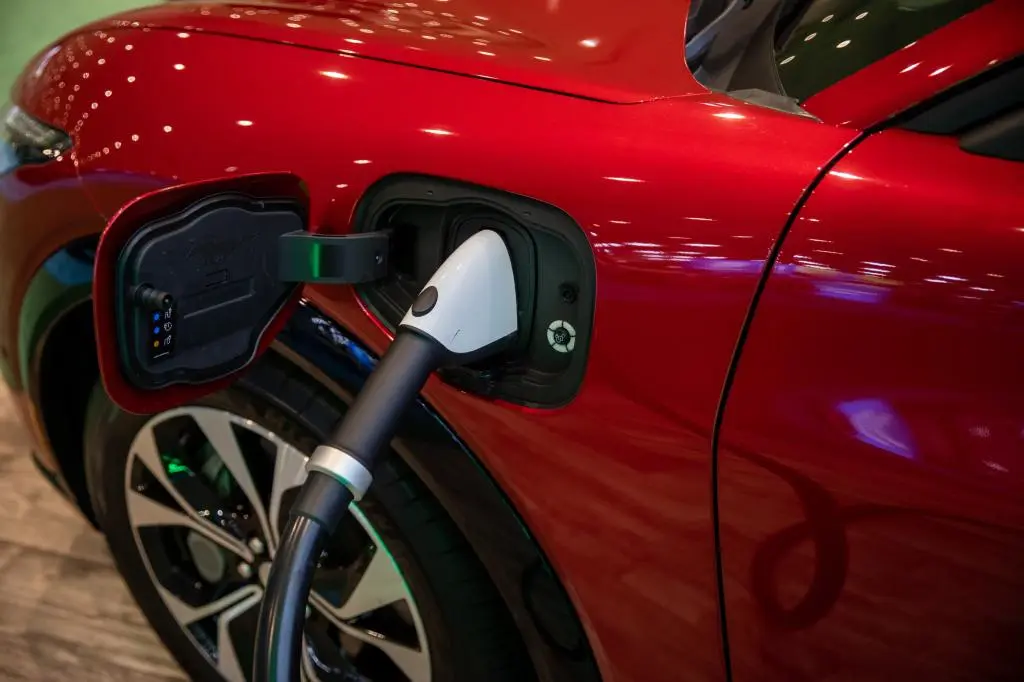
Electric vehicle fast charging has improved dramatically in recent years, with reliability and accessibility transforming the experience for long-distance drivers. A 600-mile road trip from the U.S. to Montreal in 2026 revealed near-flawless charging, a stark contrast to the frustrations reported just three years prior.
From frustration to seamless charging
In 2023, a similar journey in an Audi e-tron was marred by broken chargers, unreliable apps, and repeated calls to customer service. The vehicle, with a 220-mile range, struggled to find functional stations, with one stop requiring a switch between stalls after a charger failed mid-session. Another station advertised two working plugs but delivered only one.
This summer’s trip, however, saw no such issues. Using A Better Route Planner (ABRP), the driver located a Rivian charging station in Lebanon, New Hampshire, with six 300-kilowatt chargers—all operational. The process was smooth: no queues, no app downloads required, and a charging speed of over 140 kilowatts, matching the e-tron’s maximum. A second stop at a Circuit Électrique station near Montreal presented the only minor hiccup—a non-functional card reader, resolved by downloading the network’s app.
Data confirms a broader shift in EV infrastructure
The improvements align with national trends. In July 2023, the U.S. had approximately 32,000 DC fast chargers, many of which were Tesla-exclusive. Today, the total has more than doubled, with Tesla’s network now widely accessible to non-Tesla drivers. Reliability has also surged: Paren’s reliability index, which tracks metrics like successful sessions and downtime, shows scores climbing from 85 to the mid-90s since last year.
Competition among providers has driven these gains. While Tesla’s network remains dominant, other operators are expanding rapidly, reducing gaps in coverage and accelerating repairs.
What this means for EV drivers
For prospective buyers, the data and firsthand accounts suggest that range anxiety may no longer be justified. The 2026 trip required just three charging sessions, each lasting around 20 minutes and coinciding with natural breaks. Total charging time matched the duration of a single border control wait on the return journey.
Gaps and occasional failures persist, but the trajectory is clear. As infrastructure grows and reliability improves, the barriers to long-distance EV travel continue to fall.


