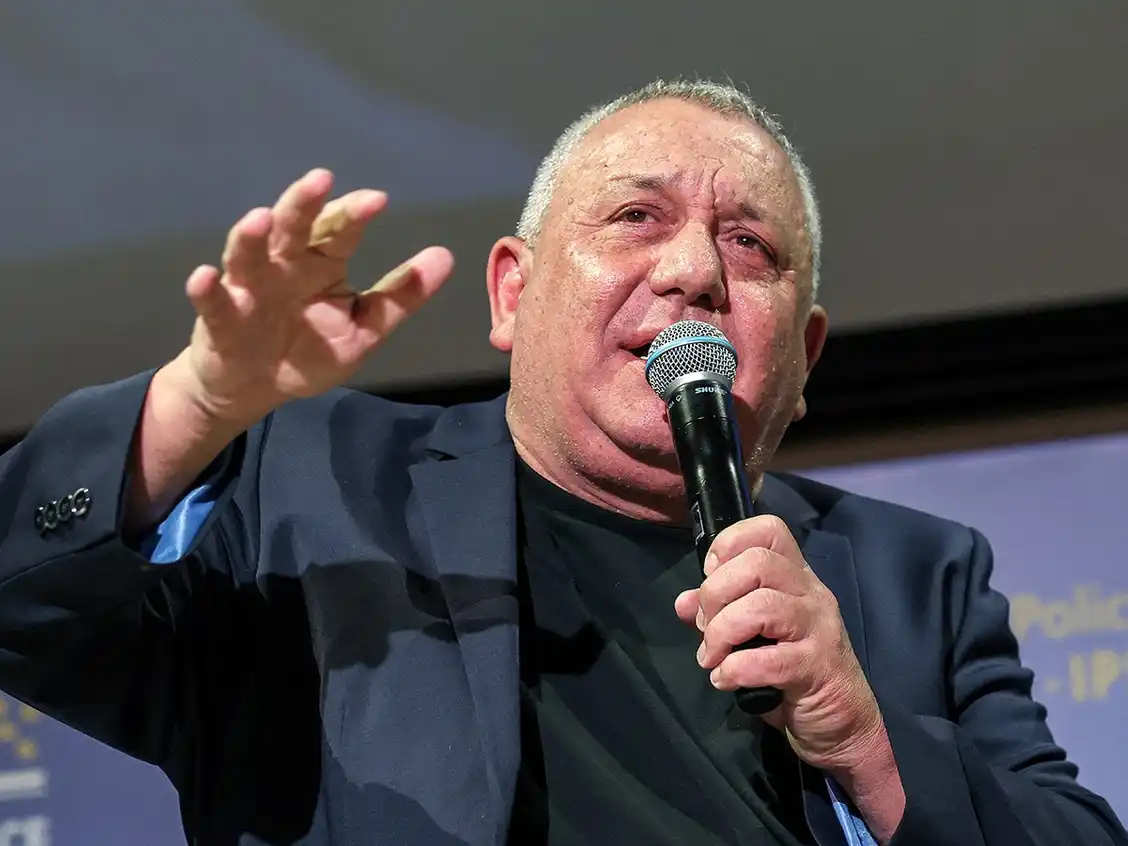
Gadi Eisenkot, leader of Israel’s centrist Yashar party, has surged ahead of Benjamin Netanyahu in recent polls, with 43% of respondents favoring him as prime minister compared to Netanyahu’s 34%. The shift comes as Israel prepares for its first post-October 7 election, scheduled for late October.
For context: Israel’s political landscape has been reshaped by public dissatisfaction with Netanyahu’s Likud party, particularly over its resistance to a state commission of inquiry into October 7 security failures and its stance on military exemptions for Ultra-Orthodox Haredim.
Eisenkot’s rise reflects demand for change
Eisenkot, a former IDF chief of staff, represents a break from Netanyahu’s Ashkenazi elite background. As a Mizrachi Jew of Moroccan descent, he would be Israel’s first prime minister with unarguably Middle Eastern roots. His personal losses—his youngest son and two nephews died in the Gaza war—resonate with many Israelis.
Netanyahu’s campaign has attempted to highlight Eisenkot’s limited English fluency, but analysts suggest this tactic may backfire. A March Pew poll found growing U.S. hostility toward Israel tied to Netanyahu’s leadership, indicating that linguistic fluency may be less critical than policy and character.
Key issues shaping the election
Public opposition to Haredi military exemptions remains a major concern, with over 90% of Israelis supporting an end to the practice. Additionally, Likud’s resistance to a politically independent inquiry into October 7 has further eroded Netanyahu’s support.
As the campaign progresses, Eisenkot’s lead suggests a potential turning point in Israeli politics. Observers will watch whether his momentum holds or if Netanyahu’s political resilience prevails.