The US military has conducted a seventh consecutive night of strikes on Iran, targeting surveillance sites, military logistics, and underground weapons storage, according to US Central Command (Centcom). The operation, which concluded at 21:30 ET (02:30 BST), involved fighter aircraft, drones, and warships, marking a significant escalation in hostilities.
Iran retaliates with attacks on US allies
Iran responded by striking US allies in the region, including Kuwait, where a power and water plant was hit, causing a fire and deactivating some generation units. Jordan and Bahrain also reported intercepting Iranian missiles, with no damage reported in either case. Explosions were heard in Yazd, Qeshm Island, and the port of Bandar Abbas, Iranian state media confirmed.
Ceasefire collapse and naval blockade
The US and Iran had agreed to a temporary ceasefire in June to facilitate talks, though Iran continued attacks on oil tankers to enforce demands for shipping authorization in the Strait of Hormuz. With negotiations stalled, President Donald Trump declared the ceasefire over last week, resuming strikes and reimposing a naval blockade on Iranian ports. Iran has since declared the Strait closed, halting most traffic in a critical route for global energy supplies.
Disputed claims and verified damage
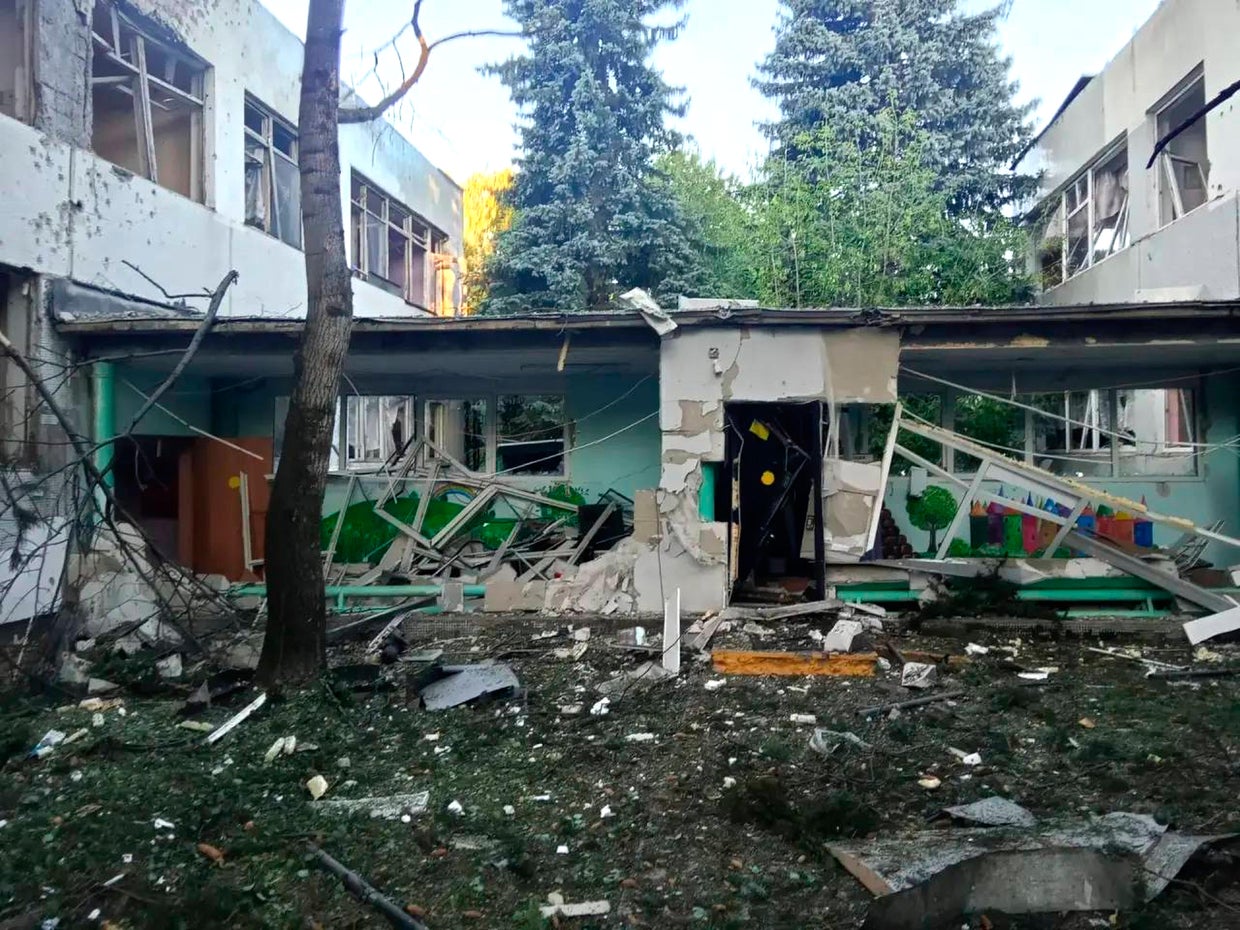
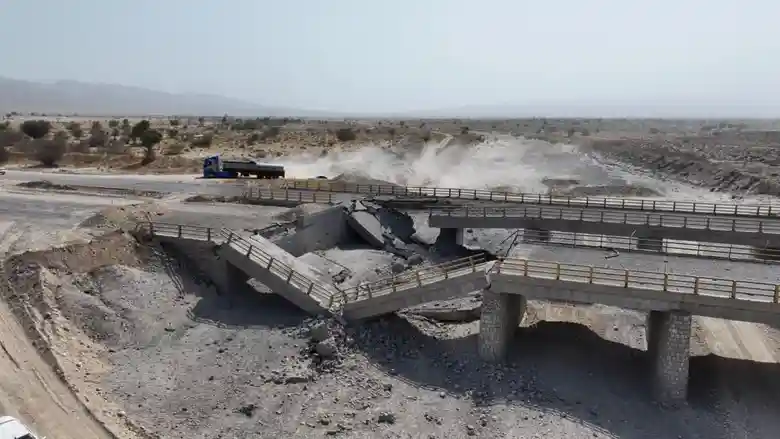
The US denied Iranian reports of oil tankers exploding in a mined route near the Strait of Hormuz, calling them false. Meanwhile, Iran claimed attacks on US facilities in Kuwait, Bahrain, Jordan, and Syria—allegations the US rejected. Footage verified by BBC Persian showed damage to Gariveh Bridge in Hormozgan province, where provincial authorities reported seven deaths. The US insisted its strikes targeted only military infrastructure, including a control tower in Chabahar port linked to Iran’s Revolutionary Guard Corps (IRGC).
As tensions rise, the international community watches closely for further developments in the escalating conflict.