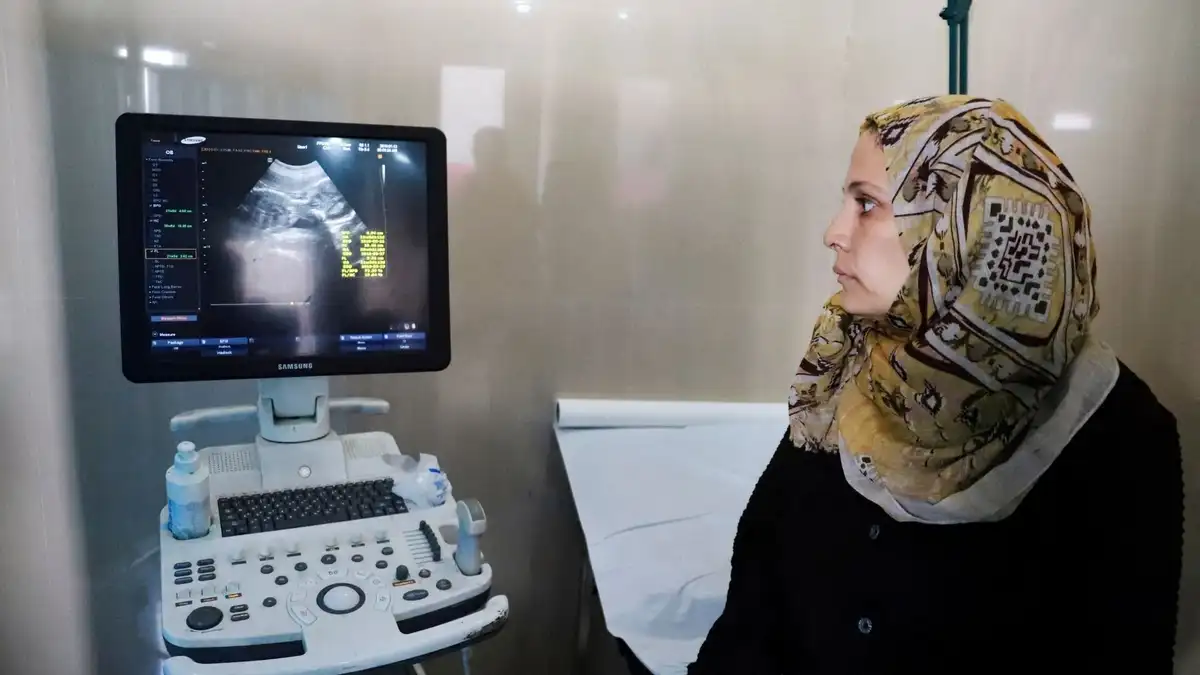
A significant rise in miscarriages is being reported in Gaza, with medical officials directly attributing the devastating trend to the ongoing conflict, widespread trauma, and the collapse of the healthcare system. Women recount experiencing multiple pregnancy losses amid bombardments, displacement, and severe deprivation.
Gaza War's Devastating Impact on Pregnancy
Nuha Abu Lebda, who had dreamed of motherhood for years, lost three pregnancies since the war began in October 2023. She states these losses followed months of air strikes, hunger, fear, and a lack of adequate medical care. "I miscarried because of the air strikes, the displacement, the difficult conditions, the lack of clean water and malnutrition," she told Al Jazeera.
Despite efforts, including selling gold to afford essential medication, Abu Lebda's hopes of carrying a pregnancy to term were dashed. "When I lost my baby, I was exhausted. I woke up hoping my baby was still inside me. But the dream I carried for 10 years was gone," she lamented.
Medical Officials Cite War as Primary Driver
Dr Yasser Saadeddine, maternity director at al-Awda Hospital in Deir el-Balah, central Gaza, reported that approximately 70 percent of pregnancy losses his team treats are linked to the war and the accompanying blockade. He noted a significant increase in miscarriage cases received during the conflict.
Doctors at the hospital state that the causes of these losses include the war and blockade, malnutrition, poor hygiene, environmental contamination, and continuous displacement. The broader crisis extends beyond miscarriages, with increased instances of babies dying in the womb, premature deliveries, and dangerous pregnancy complications.
Stories of Loss Amidst Collapsing Healthcare
- Mai Zaqout described losing her daughter during childbirth, stating the baby had died inside her womb a month prior but could not be delivered due to a lack of necessary medical resources and support. This loss occurred shortly after her husband was killed.
- Sara al-Awad experienced severe bleeding at eight months pregnant due to intense fear and stress from nearby explosions, leading to placental separation. She eventually received an emergency C-section, but her baby, Muhammad, was born underweight and required an incubator.
- Iman Badah, who waited six years to have a son, gave birth prematurely while being displaced.
- Nuha Salameh lost twins, with doctors suggesting they might have survived in a normal situation with incubator care.
- Nidaa Seyam experienced her second miscarriage during the war, with doctors linking it to psychological stress and malnutrition following traumatic experiences, including being trapped under air strikes and inhaling toxic fumes.
Many women have lost their homes, medical records, and access to regular check-ups due to repeated displacements. Hospitals are severely hampered by shortages of medicines, equipment, and medical staff. For many mothers, the war's wounds persist, with the ongoing impact felt through every lost pregnancy and unfulfilled dream of motherhood.