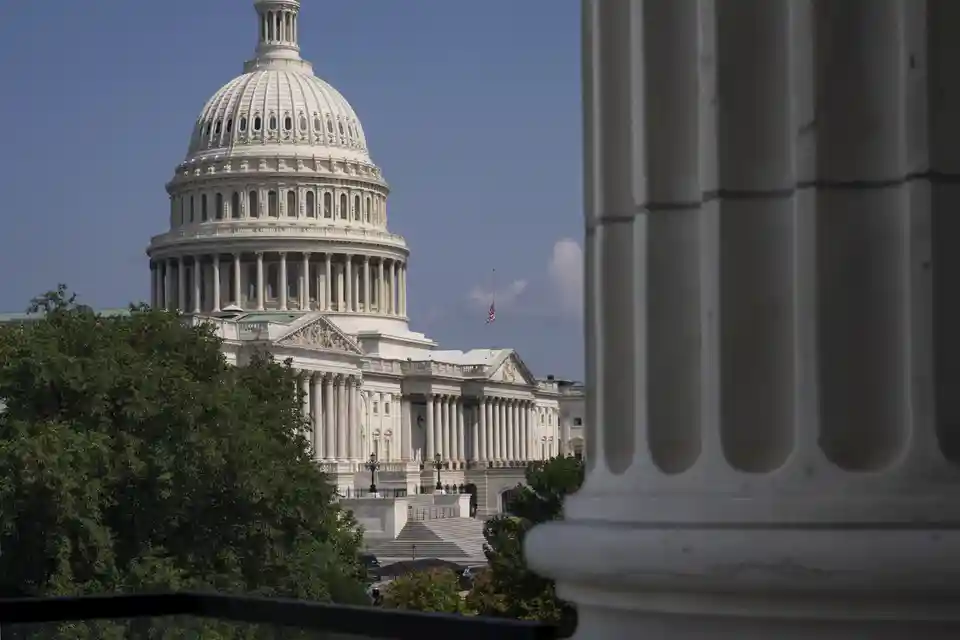
The U.S. House voted 214-208 Thursday to approve a resolution directing the removal of American forces from hostilities with Iran, delivering a second symbolic rebuke to President Trump’s military actions without congressional authorization.
Congress Pushes Back on Unauthorized Iran War
The nonbinding measure reflects growing frustration among lawmakers over the administration’s use of military force in the Middle East without explicit approval from Congress. The vote came as tensions between the U.S. and Iran escalate, with 18 American troops killed since February—four of them in the last two weeks. The Pentagon also reports nearly 500 injuries, including 100 in the past 14 days.
Rep. Pramila Jayapal (D-Wash.), who led the effort, called the war “illegal” and criticized its lack of clear mission or strategy. “Congress has not been consulted,” she said after the vote. “Hostilities have been driven by a president who promised to end forever wars.”
Partisan Divide Over Military Oversight
Four Republicans joined Democrats in supporting the resolution: Reps. Tom Barrett (Mich.), Brian Fitzpatrick (Pa.), Warren Davidson (Ohio), and Thomas Massie (Ky.). Opponents, including House Foreign Affairs Committee Chairman Brian Mast (R-Fla.), defended the war as necessary to counter Iran’s attacks on U.S. interests. Mast displayed photos of fallen service members during floor debate, arguing the resolution “belittles” their sacrifice.
Senate Democrats attempted a similar war powers resolution Thursday, but it failed 47-49. Trump has dismissed such votes as “meaningless,” accusing Democrats of acting out of “Trump Derangement Syndrome.” The House’s first rebuke in January was later reversed in the Senate after the president’s criticism.
What Happens Next
The resolution carries no legal weight but signals congressional resistance to unauthorized military engagements. Lawmakers may continue pressing for oversight as U.S. casualties rise. Observers will watch whether the Senate takes further action or if the administration adjusts its Iran strategy in response.