The United States is reportedly preparing for a significant escalation with Iran, with an anonymous U.S. official revealing plans for a "wider war" as strikes between the two nations continue for a ninth consecutive day. This heightened military activity, coupled with increased hostilities across the Persian Gulf region, is raising concerns over global energy supplies and maritime security.
US Forces Continue Strikes Amid Escalating Tensions
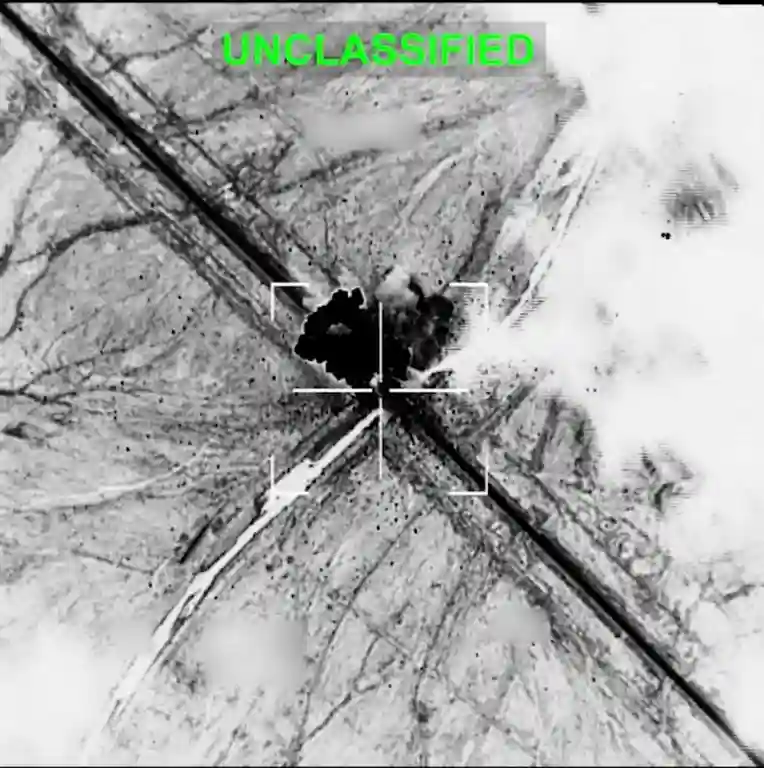
U.S. military operations have targeted Iran for nine nights in a row, with the aim of diminishing Iran's capacity to threaten commercial vessels transiting the vital Strait of Hormuz. These strikes have focused on military command centres, missile and drone launch sites, and coastal surveillance systems.
However, an American official familiar with internal discussions cautioned that U.S. operations could be constrained by limited stockpiles of air defence systems and long-range munitions. Battle damage to existing military assets may also hinder the deployment of troops and aircraft to the region, according to the official.
Regional Attacks Intensify as Gulf States Intercept Threats
The conflict has spilled over into neighbouring states, with Iran's Islamic Revolutionary Guard Corps (IRGC) claiming responsibility for targeting American assets in Jordan, Kuwait, and Syria. On Monday, sirens sounded in Bahrain, and Kuwait's army reported intercepting hostile drones as part of an apparent Iranian attack.
Bahrain's interior ministry activated warning sirens and urged calm, while the U.S. embassy in Manama advised its citizens of potential Iranian attacks. Kuwaiti authorities stated they were responding to drone attacks and dealing with the aftermath of an incident at a power and water desalination facility, though the IRGC claimed to have hit a weapons depot and air defence radar in Kuwait. Jordan also reported intercepting multiple missiles.
Oil Prices Surge as Strait of Hormuz Traffic Suffers
The escalating tensions between the U.S. and Iran have directly impacted global energy markets, with oil prices climbing above $90 a barrel. Brent crude rose more than 2 percent to $90.19, its highest since early June, while U.S. West Texas Intermediate also saw gains.
This price surge reflects concerns over potential disruptions to crude oil supplies transiting the Strait of Hormuz, a critical global energy chokepoint. Shipping data indicated limited traffic through the strait over the weekend, with only four vessels crossing on Sunday, down from eight the previous day.
Iran Vows Continued Resistance Until 'Upper Hand' Secured
Iranian Foreign Minister Abbas Araghchi stated that Iran would only consider ending its conflict with the U.S. once it has achieved "the upper hand in the field." He suggested that negotiations should commence only after securing "a reliable field and strategic achievement on the military front."
Araghchi emphasized that decisions regarding the conflict's end must be based on accurate calculations of potential gains versus human and national costs. He also asserted that Iran has emerged as a "decisive international player" in the conflict, despite incurring some losses.
In response to continued U.S. strikes, Iran's Revolutionary Guard has issued warnings that the Strait of Hormuz will become unsafe for the transit of oil and gas if U.S. "aggression" persists. The Guard also claimed responsibility for disabling two oil tankers in the Strait, though these claims could not be independently verified.
During the ninth night of U.S. strikes, Iranian state media reported explosions in multiple cities, including Tabriz, Chabahar, Konarak, Bandar Mahshahr, and Bandar Imam Khomeini. Details regarding casualties or the extent of damage have not yet been provided by Iranian authorities. A reported strike on Tabriz in northwestern Iran would signify a notable expansion of U.S. targets.