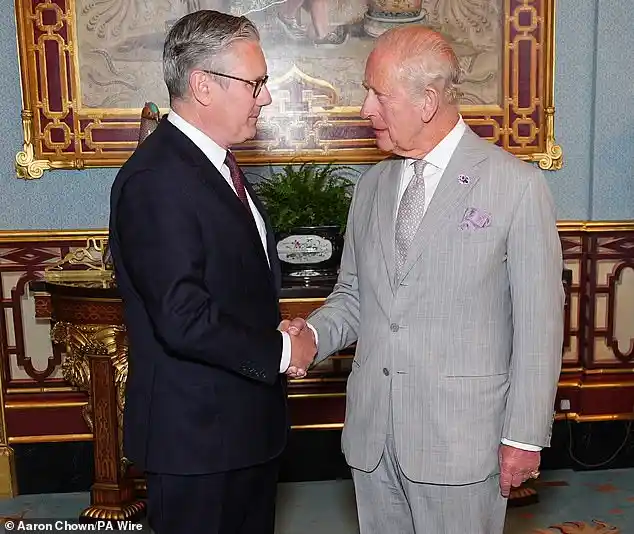
Keir Starmer officially resigned as UK Prime Minister on Monday after 745 days in office, handing power to Andy Burnham following a leadership transition at Buckingham Palace.
The outgoing premier delivered a farewell address outside No10 Downing Street, declaring "my work is done" and insisting Britain is "stronger" than when he took office in 2024. He thanked his family and close allies, including Chancellor Rachel Reeves and Foreign Secretary David Lammy, who gathered for the occasion.
Starmer's legacy and resignation details
Starmer, who led Labour to a landslide election victory in 2024 after rebuilding the party from its 2019 defeat, cited economic growth, reduced NHS waiting times, and lower immigration as key achievements. He emphasized the "resolve, grit, decency, and compassion" he witnessed across the UK during his tenure.
Buckingham Palace confirmed the resignation shortly after Starmer’s 30-minute audience with the King. Burnham, the former Greater Manchester mayor, was formally appointed as the seventh PM in a decade following his own meeting with the monarch.
Burnham's early priorities and challenges
Burnham, installed without a formal leadership vote, has signaled plans to scrap Starmer’s digital ID program and focus on cost-of-living issues. He faces immediate decisions on North Sea oil drilling, Thames Water’s debt crisis, and social care reform.
Opposition leaders, including Conservative Kemi Badenoch and Liberal Democrat Ed Davey, have called for clarity on Burnham’s policies, with Badenoch warning against tax rises and urging spending cuts.