More than 100 villages in southern Lebanon have been reduced to rubble as displaced residents use commercial satellite images to monitor destruction from afar, with Israel blocking returns and denying strikes on civilian sites.
Satellite images reveal scale of destruction in Yaroun
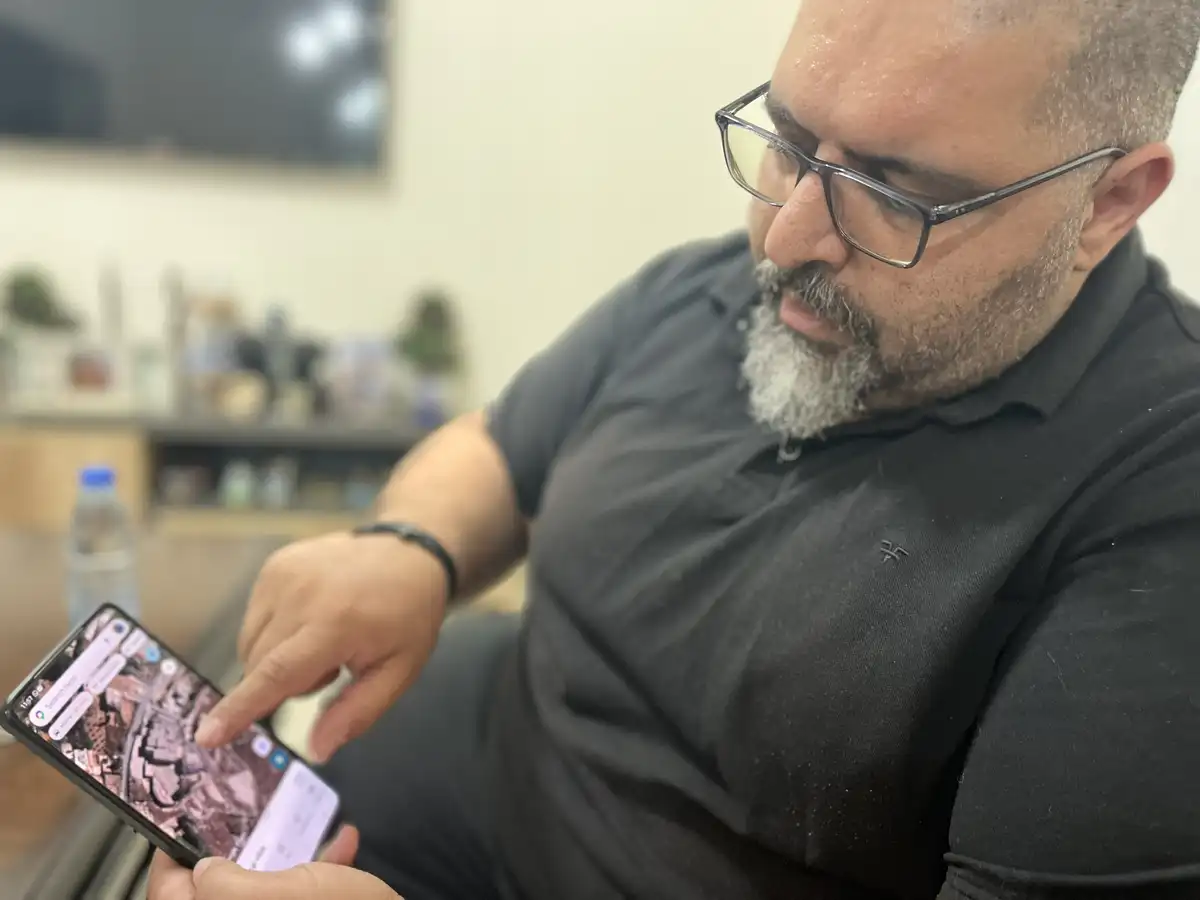
In Yaroun, a Christian-Muslim village near the Israeli border, 180 of roughly 200 homes have been destroyed since March, according to Mayor Hafez Ghacham. Residents like Mazen Farah pay at least $112 per image to verify damage to properties, including his father’s two-story stone house built after 25 years of Gulf labour. Many satellite providers refuse requests, citing U.S. government restrictions.
Israel claims it targets only Hezbollah infrastructure but rarely provides evidence. Defence Minister Yoav Gallant stated in March that Israel aims to depopulate border villages to create a "buffer zone." The military did not respond to requests for comment on Yaroun’s destruction.
Generations of work erased in days
Geryes Saloum, a municipal worker, spent a decade building his three-bedroom home in Yaroun. Satellite images confirmed its destruction in May, along with surrounding houses. "Every day, I wait for a picture to arrive," he said. "When Mazen’s house was destroyed, I didn’t sleep."
Many displaced residents are dual citizens. Hanna Farah, a U.S.-based construction firm owner, learned via satellite that his 92-year-old mother’s home—repaired after a 2024 ceasefire—had been levelled. "American bombs and bulldozers destroyed them," he said. His brother Nehmi lost a $470,000 retirement home, confirmed gone in a blurry image. "I put my heart and soul into it," he said. "It’s just vanished."
Cultural landmarks and livelihoods lost
Israeli strikes have demolished Yaroun’s convent, three mosques, a Greek Catholic church, and a 50-year-old Catholic school. Villagers reject claims their homes sheltered Hezbollah. Mazen Farah said his security cameras—active for a year before Israel cut the internet—only captured a wolf stealing his father’s shoes. "Provide one piece of proof that this house was used," he challenged.
The conflict reignited in March after a November 2024 ceasefire, which saw aid groups restore water and electricity. Qasem Fares, a Panama-based businessman, lost a $10 million, 12-bedroom home in Bint Jbeil. "I cried all day when I saw it," he said. "No one wanted to tell me."
Uncertain future for Lebanon’s displaced
With drones overhead and no end to hostilities in sight, residents oscillate between defiance and despair. "How do you build with a drone over your head?" Mazen Farah asked. His father, Hanna, clings to hope: "We’re gonna go back and rebuild." But for elderly villagers who fled in 2023, time may be running out. A drawer of house keys—symbols of return—echoes the unresolved plight of Palestinian refugees from 1948.