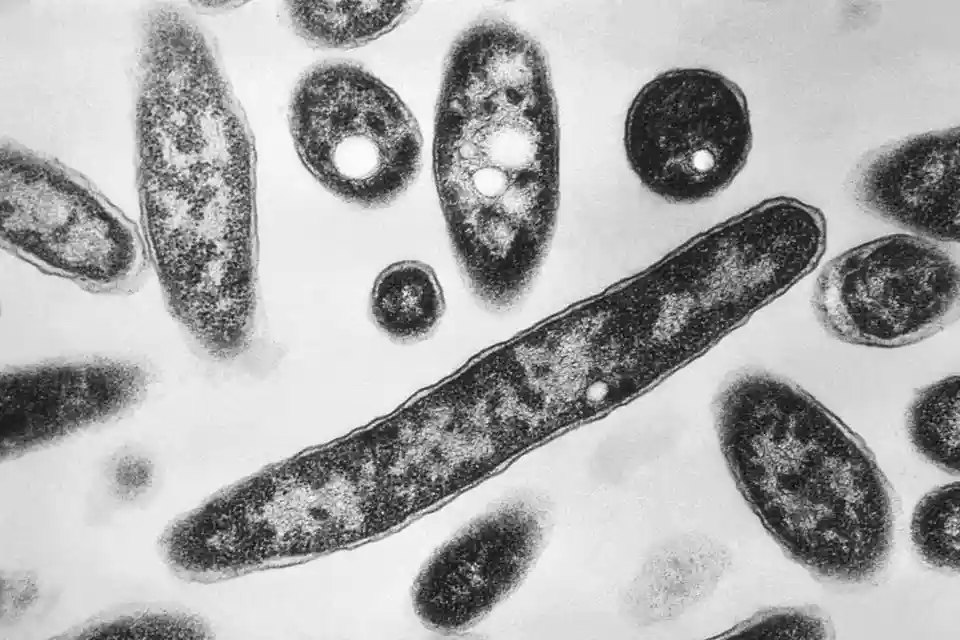
A person has died in New York City’s ongoing Legionnaires’ disease outbreak, health authorities confirmed on Friday, as investigators continue to trace the origin of the infection cluster now affecting at least 67 people in Manhattan’s Upper East Side.
The victim’s identity, age, and specific circumstances remain undisclosed. Dozens of those infected have required hospital treatment, according to the city’s Health Department, which began tracking the outbreak on July 2 after two initial cases were reported.
Legionella bacteria detected in Upper East Side cooling towers
Testing has revealed the presence of Legionella bacteria—either alive or dead—in the cooling towers of more than 75 buildings across the Upper East Side, including museums, private schools, and residential properties. While the precise source of the outbreak has not been identified, all affected buildings have been ordered to clean, drain, and disinfect their systems.
Legionnaires’ disease, a severe pneumonia caused by inhaling water droplets contaminated with Legionella, does not spread person-to-person. The bacteria thrive in warm water environments such as cooling towers, hot tubs, and showerheads. The U.S. Centers for Disease Control and Prevention reports a fatality rate of approximately 10% among infected patients.
Who is most at risk and what to watch for
Individuals over 50, smokers, vapers, and those with underlying conditions—including diabetes, chronic heart, lung, kidney, or liver disease—face a heightened risk of severe illness. Symptoms range from fever, chills, and muscle aches to confusion, fatigue, and diarrhea.
Last year, a similar outbreak in Harlem resulted in seven deaths and over 100 illnesses. Health officials have not yet indicated whether further cases or fatalities are expected in the current Upper East Side cluster.