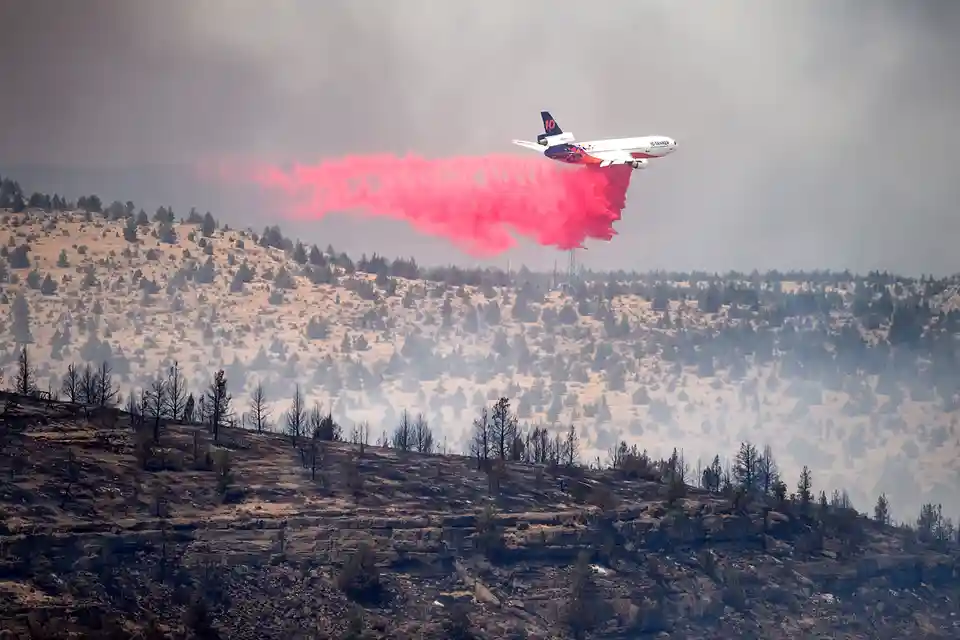
Oregon is on pace for its most destructive wildfire season on record, with over a million acres already consumed by blazes primarily across central and eastern parts of the state. Thirty-four major fires are currently active, predominantly on public range lands, creating significant smoke-related air quality issues that extend into neighbouring Idaho.
Oregon Wildfires Trigger Widespread Evacuations
The ongoing wildfire activity, largely ignited by recent dry lightning storms that brought little rain but strong winds, has forced thousands of residents in central and eastern Oregon to evacuate. Ranchers are also racing against time to move their cattle to safety as flames chew across hundreds of square miles of rugged terrain. Officials caution that the fire season is still in its early stages, with higher altitude forests vulnerable throughout August and September, particularly given the state's historically low snowpack last winter.
Impacts on Livelihoods and Infrastructure
Beyond the immediate threat to homes and lives, these remote fires are severely impacting the livelihoods of rural communities. Residents like Mary Thompson, whose fiancé is a rancher near the Coleman Creek Fire, describe the frustration of seeing their way of life threatened, noting that the loss of grazing land necessitates the purchase of expensive hay. Highway closures, including sections of Interstate 84, are occurring with little warning, disrupting travel and forcing detours for residents attempting to navigate the affected areas.
Concerns Over Resource Availability and Climate Change
Concerns are mounting over the availability of firefighting resources, which are already stretched thin across the Western United States. The National Interagency Fire Center in Idaho has reached its highest preparedness level, indicating a potential shortfall in federal resources should further major incidents ignite. This situation is compounded by recent federal funding and staffing cuts to public lands agencies, including wildfire prevention personnel. Larry O'Neill, the state climatologist, points to human-caused climate change as a significant factor, explaining that warmer temperatures accelerate moisture loss from the landscape, exacerbating dry conditions across regions from eastern Oregon to Western Europe.
Looking Ahead to Continued Fire Risk
With no immediate reprieve in the forecast and conditions remaining dry, the likelihood of continued smoke advisories and emergency evacuation alerts remains high. Residents like Catherine Randall, evacuated from Huntington, Oregon, by school bus, are left to grapple with the uncertainty of returning to their homes. The stark reality of a prolonged fire season looms, underscoring the escalating challenges faced by the state.