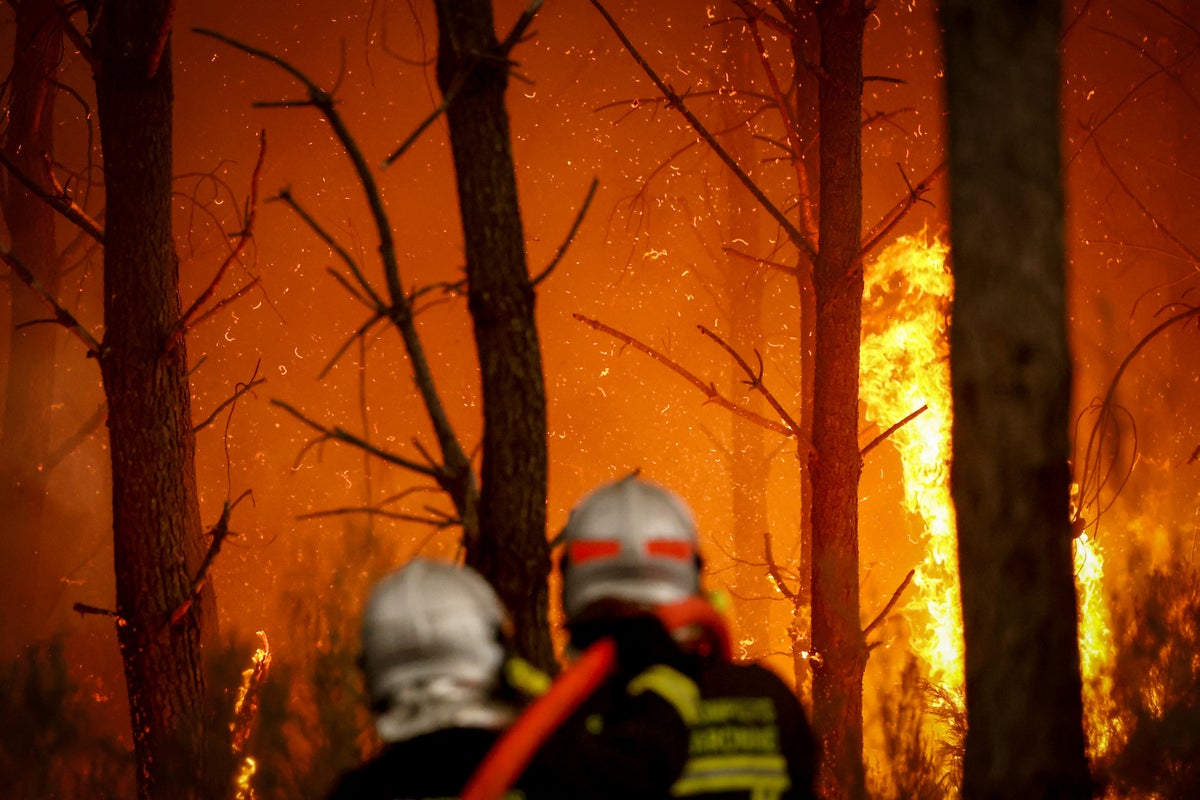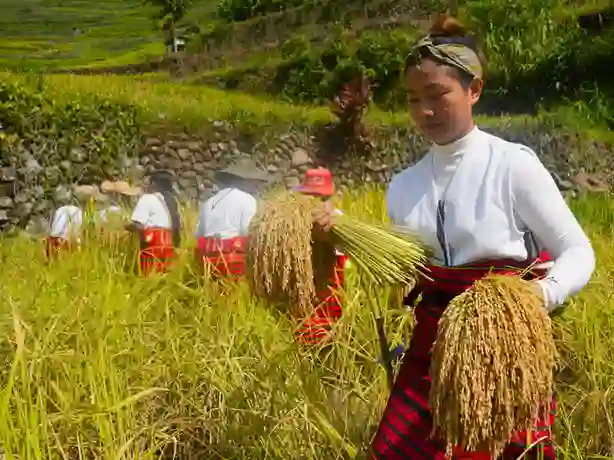
The Philippines' UNESCO rice terraces, a centuries-old World Heritage Site, are facing a new threat from climate change, with 80% of UNESCO sites worldwide experiencing climate-induced stress, according to a 2025 study published in the scientific journal Nature, as reported in Ifugao, Philippines, where the village of Batad is located, 1,100 metres above sea level.
Climate Change Impact on Rice Terraces
In November 2025, Super Typhoon Fung-wong triggered a landslide in Batad, killing two locals and damaging 2.2 hectares of rice fields, affecting 150 farmers, and highlighting the destructive nature of extreme weather conditions, which have been increasing in frequency in recent years, with the emerging threat of this year's Super El Nino, a climate phenomenon that increases global temperatures and drives more extreme weather and rainfall patterns.
The Ifugao people, who have adapted to climate change using Indigenous engineering techniques for centuries, are now worried about the future of their rice terraces, with lawyer Marlon Martin, head of the Save the Ifugao Terraces Movement (SITMO), stating that "climate change is really aggravating the situation on the ground", and that the rice terraces need to maintain a certain level of moisture year-round to stay intact, but recent dry spells have developed deep cracks, making them prone to erosion.
Conservation Efforts and Challenges
An equivalent of $500,000 is needed for the restoration work in Batad following the landslide, with the social welfare and labour departments extending emergency food and cash assistance to affected farmers, but additional national government aid is unlikely until the next fiscal year, while the villagers themselves have come together to do voluntary communal work to fix the demolished irrigation canal, and the Ifugao Provincial Agriculture and Environment Office is working to restore the damaged areas.
The rice terraces are not just a source of livelihood for the villagers, but also part of their identity and way of life, with the annual rice harvest festival being a way to honour their ancestors and renew their "sacred oath" to preserve the terraces for generations to come, and the villagers are now waiting to see how the national government will respond to their needs and provide support for the conservation of this cultural landmark.
What's Next for the Rice Terraces
As the villagers of Batad look to the future, they are aware that the threat of climate change is not going away, and that they need the support of the national government and international organizations to preserve their rice terraces, with the Ifugao people continuing to adapt to the changing climate, using their traditional knowledge and practices to protect their cultural heritage, and the world watching to see how this UNESCO World Heritage Site will be preserved for future generations, and what actions will be taken to address the impact of climate change on this and other cultural landmarks around the world.
- 80% of UNESCO World Heritage Sites are facing climate-induced stress
- 2.2 hectares of rice fields were damaged in the landslide
- 150 farmers were affected by the landslide
- $500,000 is needed for the restoration work in Batad