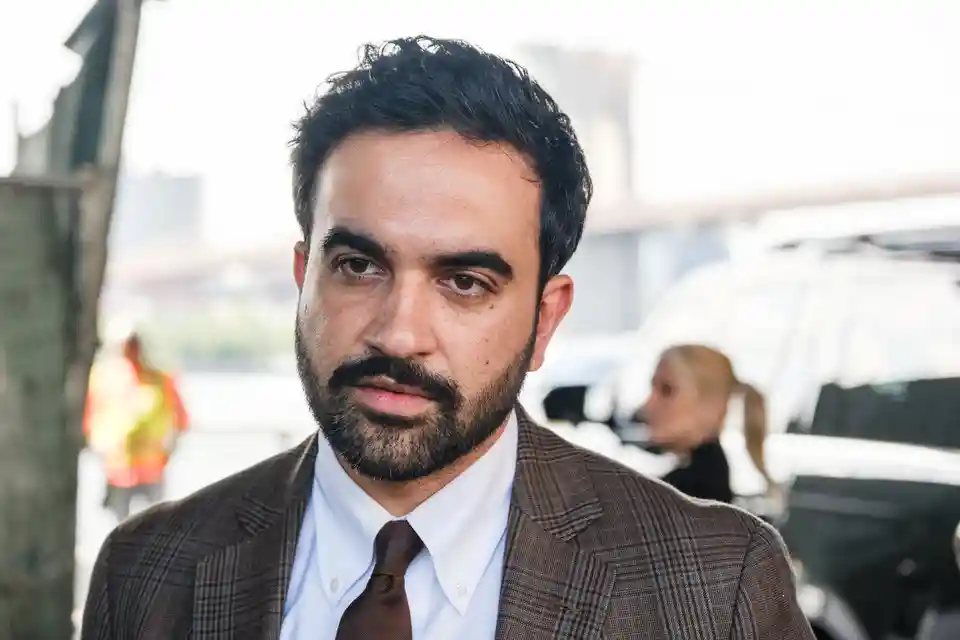
The Democratic Socialists of America (DSA) and New York City councilor Zohran Mamdani are advancing a platform to "transform society" by drafting a new constitution and establishing a "democratic socialist republic." The group’s recent policy agenda, released this month, has reignited debate over its proposals, including calls to demilitarize police and end mass incarceration—while some members openly advocate for prison abolition.
Who is leading the DSA’s push for change?
Mamdani, a charismatic 32-year-old socialist elected to the New York City Council in 2021, has emerged as a prominent figure in the DSA’s national rise. His ally, Darializa Avila Chevalier—dubbed the "uptown socialist it girl"—won a primary victory this year, further expanding the movement’s influence. Both have faced scrutiny for their stances on policing and incarceration, with Avila Chevalier previously promoting prison abolition on social media before deleting the posts.
During a 2020 Assembly campaign, Mamdani condemned the "carceral state," and in a recent appearance on Jon Stewart’s podcast, he declined to explicitly endorse the continued existence of prisons. When pressed by ABC News after Avila Chevalier’s primary win, he similarly avoided a direct answer, framing the issue as part of a broader systemic critique.
What does the DSA’s platform propose?
The DSA’s official platform stops short of full abolition but calls for "demilitarizing police departments" and dismantling mass incarceration. However, the group’s rhetoric has drawn criticism from opponents who argue its policies could undermine public safety. Federal data shows 62% of state prisoners are incarcerated for violent offenses, including homicide, rape, and robbery, while 83% of released inmates are rearrested—half within a year, according to criminologist Barry Latzer.
Critics also point to racial disparities in crime victimization, noting that nearly 90% of Black homicide victims are killed by Black perpetrators. The DSA’s focus on systemic reform, they argue, overlooks these realities in favor of ideological opposition to law enforcement and prisons.
Why are these policies controversial?
The DSA’s agenda has been labeled "Third World-ism" by some analysts, who describe it as a rejection of Western governance in favor of radical restructuring. This ideology, they claim, extends to other progressive causes, including support for Hamas over Israel, punitive environmental regulations, and open-border policies. The movement’s critics argue that such positions prioritize abstract ideals over practical outcomes, particularly for vulnerable communities.
As the DSA continues to gain traction in Democratic primaries—unseating incumbents and shaping party platforms—its influence on national policy remains a key issue to watch. Whether its vision of a socialist republic gains broader acceptance or faces sustained opposition will depend on how voters and lawmakers respond in the coming election cycles.