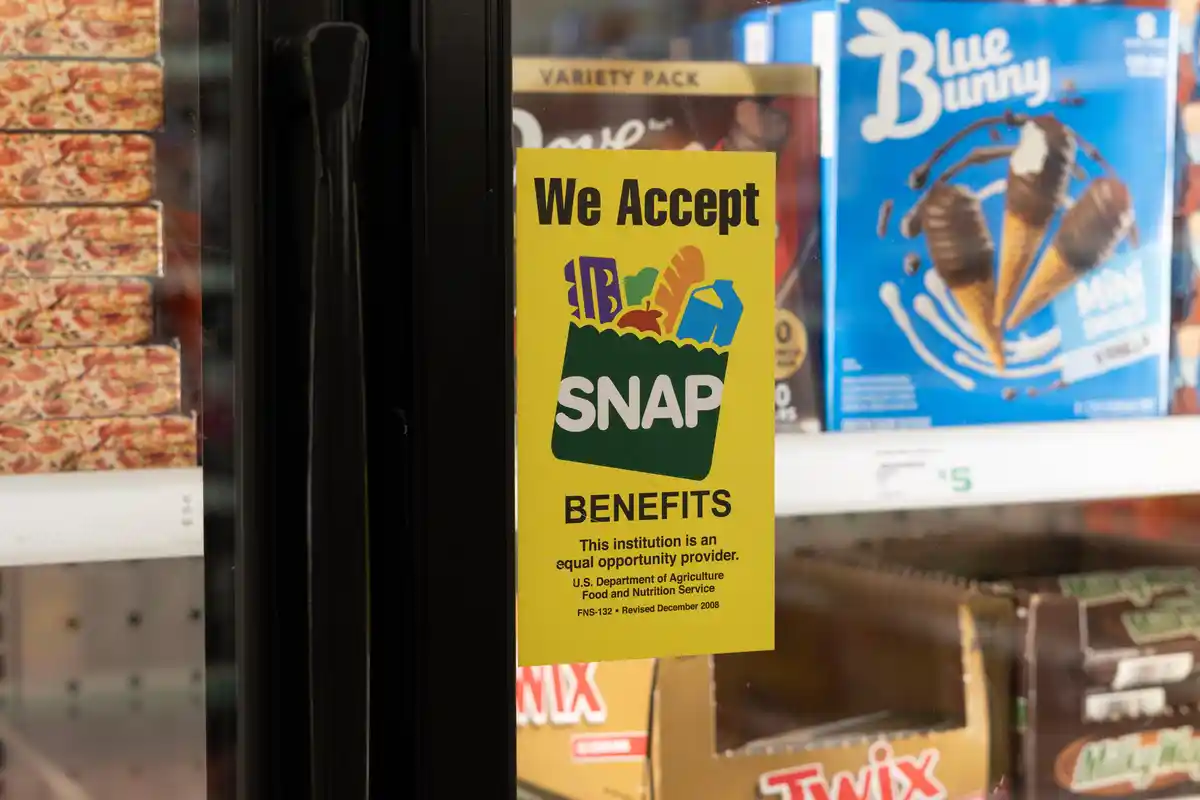
The federal Supplemental Nutrition Assistance Program (SNAP) spent $524 million at fast-food chains over the past three years, with California accounting for nearly 90% of the total, according to lawmakers pushing for stricter oversight. The spending stems from the Restaurant Meals Program (RMP), a SNAP component allowing participants to purchase prepared meals at approved restaurants—including Subway, McDonald’s, and Burger King—in nine states.
How the Restaurant Meals Program Works
Created in 1977, RMP was designed to help SNAP recipients who lack access to cooking facilities or food storage, such as the homeless or elderly. While the program initially operated in 19 states, participation dwindled to just four by 2018. A 2019 expansion—particularly in California, where eligibility went statewide—reversed that trend, with over 5,800 restaurants now enrolled.
Between June 2023 and May 2025, California alone accounted for $475 million of the $524 million total, followed by Arizona ($41.4 million) and New York ($3.6 million). The remaining six states—Rhode Island, Massachusetts, Illinois, Virginia, Maryland, and Michigan—made up the balance.
Lawmakers Push for Stricter Nutrition Standards
A bipartisan group of eight lawmakers, led by Sen. Joni Ernst (R-Iowa), sent a letter to Health and Human Services Secretary Robert F. Kennedy Jr. and Agriculture Secretary Brooke Rollins urging a review of RMP’s alignment with federal nutrition priorities. “The ‘N’ in SNAP stands for ‘nutrition,’ not nuggets,” Ernst said, criticizing the program’s expansion into fast food.
The lawmakers argue RMP has strayed from its original purpose, with large chains now dominating participation. They point to the USDA’s ongoing efforts to combat diet-related chronic diseases, questioning whether RMP’s current structure supports those goals. A USDA spokesperson said the department remains “firmly committed to conducting rigorous integrity reviews” of all programs serving vulnerable populations.
What Happens Next
No immediate policy changes have been announced, but the USDA and HHS are expected to respond to the lawmakers’ request for an assessment. Advocates for low-income families argue RMP provides critical access to meals for those without cooking facilities, while critics say the program’s growth warrants stricter guidelines on restaurant eligibility and menu options.