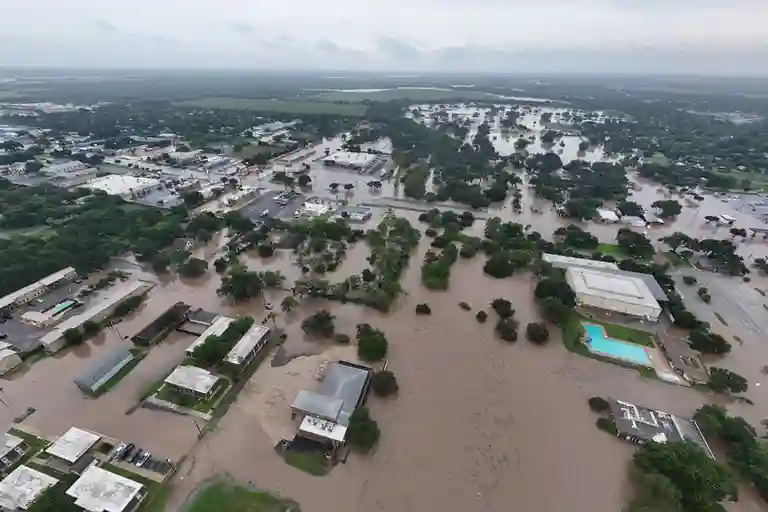
At least two people have died in catastrophic flash floods in Texas, with hundreds rescued, as the state’s newly implemented warning systems faced their first major test one year after the Camp Mystic tragedy claimed 136 lives.
The deluge struck as officials were still rolling out reforms promised after last July’s disaster, including improved flood alerts, stricter camp safety rules, and infrastructure upgrades. Residents in some areas reported receiving timely sirens and mobile warnings—absent during the 2025 floods—but others, like those in Uvalde and Batesville, said they got no official alerts.
How Texas flood warnings performed under pressure
Kerr County issued four wireless alerts and Kerrville one as flooding risks grew, urging evacuations along Quinlan Creek. The National Weather Service sent 38 alerts—14 for tornadoes and 24 for life-threatening floods—to southwest Texas communities between Tuesday and Thursday. Local systems like CodeRED also pushed notifications to subscribers.
“Last year, we got no alarms. This year, very different,” said Kerrville resident Suzanne Sutphin Gschwind, who received multiple texts and calls from authorities and weather services. Yet gaps remained: Uvalde County showed no wireless alerts in AP data, though agencies may have used other methods.
Uneven progress in "Flash Flood Alley"
New sirens in Kerr, Kendall, and Ingram counties sounded warnings this week, part of a 2025 law funding flood alerts for 28 additional counties. Three of six new sirens in Kerr County were activated, while Comfort’s volunteer fire department deployed two more after years with just one.
Private solutions also emerged. River Sentry installed 104 water-level-triggered sirens along the Guadalupe River, including near an RV park where 36 died in 2025. “We did not expect them to be used so soon,” said founder Ian Cunningham.
Gov. Greg Abbott claimed the 2025 lessons improved responses: “Lives have been saved.” But with some residents still relying on word-of-mouth warnings, the floods underscore the challenge of covering Texas’ vast, flood-prone regions.
Officials continue reviewing alert systems as more counties prepare implementation plans for state funding.