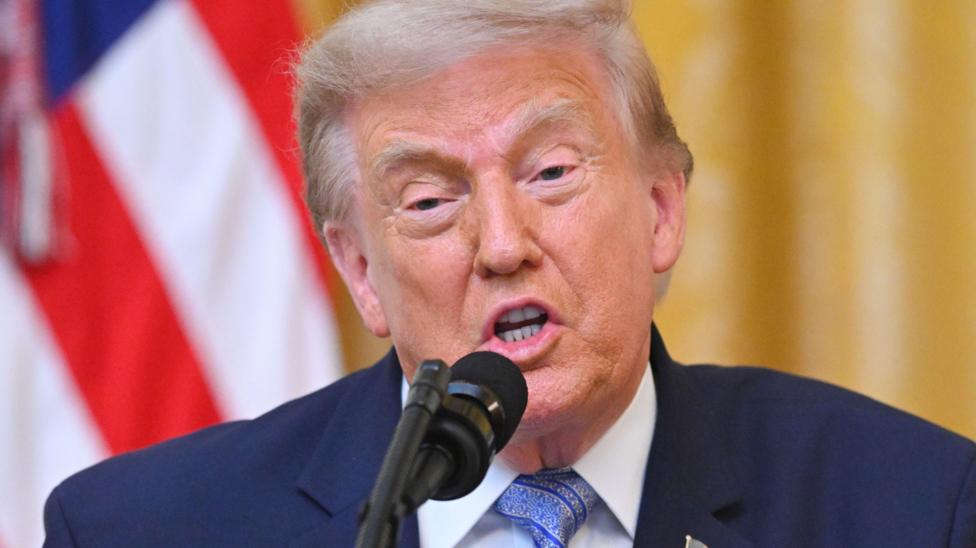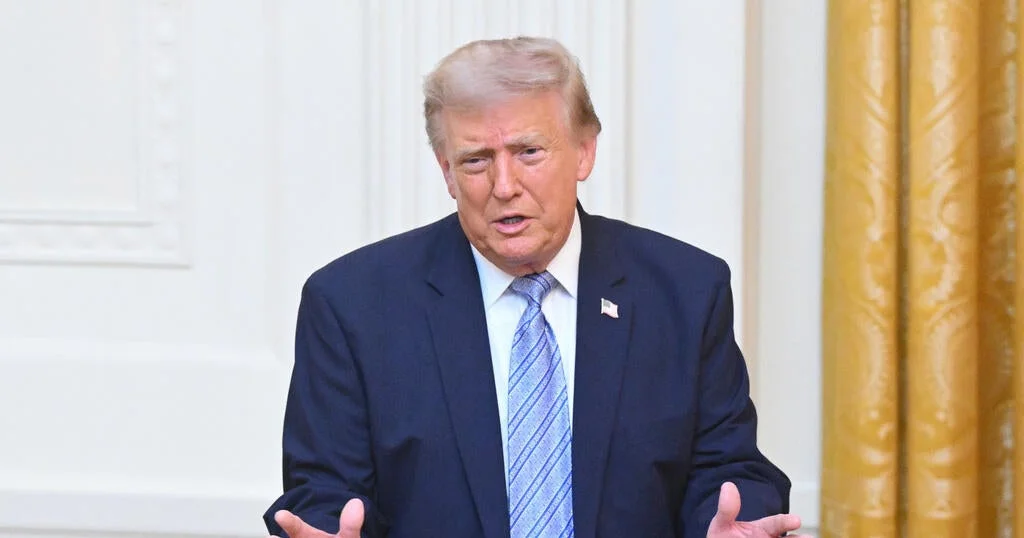
Former President Donald Trump declassified a trove of election security documents on Thursday while delivering a primetime address in which he revived long-disputed claims about widespread voter fraud in the 2020 US election. The White House acknowledged the newly released files contained no evidence of votes being altered or machines hacked.
Disputed claims and the SAVE America Act
During his speech, Mr. Trump urged lawmakers to pass the SAVE America Act, a proposed election reform bill that would require proof of citizenship for voter registration. The legislation has stalled in the Senate, with some Republican members expressing skepticism. His GOP allies praised the address, while Democrats accused him of seeking to undermine public trust in elections.
Election integrity experts, including David Becker of the Center for Election Innovation and Research, dismissed the revelations as recycled conspiracy theories. Becker noted that the administration had spent 18 months and significant taxpayer resources investigating fraud claims without producing new evidence.
Allegations of foreign interference and voter roll issues
Mr. Trump claimed China had acquired 220 million US voter registration files between 2020 and 2023, calling it "the largest compromise of election data in history." However, voter registration data is largely public in the US, and a 2020 intelligence report confirmed China had obtained some state voter data—though only for public opinion analysis, with no evidence of election manipulation.
He also cited a Department of Homeland Security review alleging 250,000 non-citizens were registered to vote in four states. Critics, including Becker, argued the data was unreliable, likely producing false positives. Documented cases of non-citizen voting remain exceedingly rare, with audits in multiple states finding only a handful of instances among millions of voters.
Voting machine vulnerabilities and next steps
Mr. Trump asserted that US voting machines were "easily compromised," referencing CIA intelligence on Venezuelan election systems. However, the declassified documents pertained to Smartmatic technology, which is not used in the US except in Los Angeles County. Experts emphasize that voting machines are closely monitored, offline, and backed by paper trails for verification.
A declassified 2020 National Intelligence Council memo noted that while US adversaries like Russia, China, and Iran have the capability to target election infrastructure, manipulating systems at scale would be difficult and likely detected. The memo also warned that foreign actors could spread fabricated claims to erode public confidence in elections.