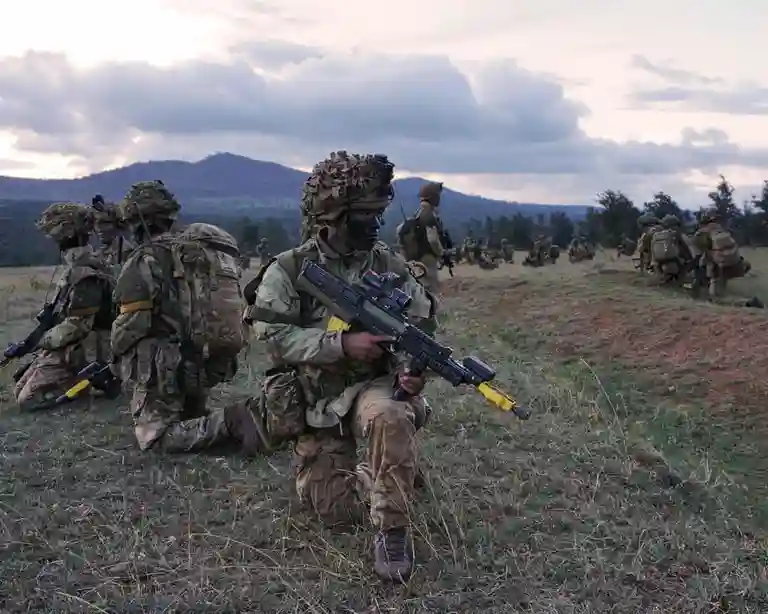
British army training in Kenya has been cancelled after the Kenyan government refused to ratify a bilateral defence agreement, leading to a halt in planned exercises involving the 1st Battalion the Duke of Lancaster's Regiment. The move follows disagreements over Kenyan authorities’ demands for greater powers to prosecute British soldiers for offences committed within the country.
Dispute Over Defence Agreement
The United Kingdom sought to renew an existing agreement, but Kenyan lawmakers pushed for amendments. These proposed changes aimed to grant local authorities increased jurisdiction over British military personnel stationed in Kenya. Discussions reportedly centred on which cases Kenya would hold primary jurisdiction over and financial arrangements for hosting the training camp.
Nelson Koech, chair of the Kenyan national assembly’s defence, intelligence and foreign relations committee, stated that both governments are "actively engaging to address these outstanding issues." The cancellation means a planned September exercise will now be moved to an alternative location outside Kenya.
Ministry of Defence Statement
A spokesperson for the Ministry of Defence expressed regret over the decision, highlighting the value the UK places on its relationship with Kenya. "The UK highly values its relationship with Kenya, which is underpinned by mutual benefit, respect and cooperation," the spokesperson said. They added that the "necessary licences required to allow training to take place in Laikipia later this year have not been forthcoming."
The MoD acknowledged the potential disappointment for those who benefit economically from the British army's presence and economic activity generated by such exercises. They remain "committed to our defence partnership with Kenya" and will "continue to engage closely with the Kenyan government to support the resumption of training in-country at the earliest appropriate opportunity."
Context of Local Opposition
The cancellation occurs against a backdrop of sustained pressure from segments of the Kenyan population opposed to the British army's continued presence. A report presented to the Kenyan parliament last year alleged human rights violations, environmental damage, and sexual abuse linked to the British army base. The most prominent case cited is the death of Agnes Wanjiru, for which a British soldier has been charged with murder.
Kenya has retained jurisdiction in the Wanjiru case, with an extradition hearing scheduled for November. The legal proceedings had been stalled since Wanjiru's death in 2012 but saw progress under the tenure of John Healey as defence secretary. Koech indicated that the committee had called for "stronger accountability measures, including jurisdiction over serious offences, enhanced protection for local communities, and implementation of recommendations arising from the BATUK inquiry."