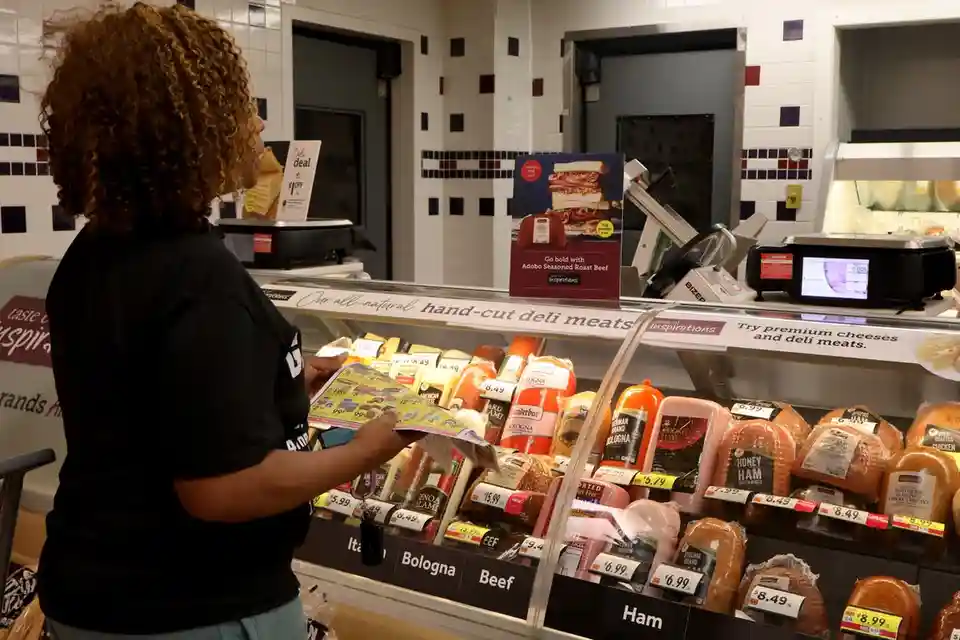
Grocery prices in the U.S. have climbed 33% since 2019, the sharpest increase in 50 years, reshaping how Americans shop for food. Families across the country are cutting meat, switching to store brands, and relying on food banks to stretch budgets as inflation outpaces wage growth.
The surge, driven by supply chain disruptions and global conflicts, has pushed affordability to the forefront of the 2024 election cycle. In cities where food inflation exceeds the national average, residents describe hunting for discounts, skipping nonessentials, and reducing meals to make ends meet.
Families Cut Meat as Beef Prices Soar 79%
Ada Torres, 60, of Cleveland, Texas, no longer buys beef for her household of five. Ground beef prices hit $6.82 per pound in June—79% higher than in 2019—making it a luxury for many. Torres’ family now relies on chicken and cold cuts, with her grandchildren missing dishes like beef fajitas and lasagna.
“One hundred dollars’ worth of groceries these days is nothing,” Torres said. Her daughter, the primary earner, works for a mobile car-washing service, but income drops during rainy seasons. The family can afford only one full meal a day.
Shoppers Hunt for Deals Across Multiple Stores
In Lexington, Massachusetts, Apral Jack plans meals around supermarket sales. The 50-year-old care provider checks apps for discounts before shopping and avoids Whole Foods in favor of stores with digital coupons. “If the apples I eat are too expensive here, I won’t buy them,” she said.
Jack has stopped purchasing name-brand snacks like Nabisco Ginger Snaps, though she refuses store-brand alternatives. Her strategy reflects a broader trend: 62% of Americans now comparison-shop to offset rising costs, according to a 2024 consumer survey.
Food Banks Bridge Gaps for Struggling Families
In San Francisco, Jack Chang supports five people—including his unemployed partner and three children—on a barber’s income. “I look at my credit card every month and wonder how I’ll pay it,” he said. The family relies on SNAP benefits and food pantries, where Chang’s 77-year-old mother collects eggs, canned goods, and produce to share.
Chang’s daughter’s preschool also provides leftover meat and bread. Without these resources, he said, “I don’t know what I would do.”
Hawaii’s High Costs Force Hard Choices
In Honolulu, pastry chef Amanda Tabadero avoids local produce due to soaring prices. Maui-grown strawberries now cost $11 per pound, up from $7.99 in 2024. She buys cheaper berries from California or Mexico at Costco instead.
Tabadero also skips Kaimana lychee, a Hawaiian variety, after a recent $30 purchase of iced coffee and fruit. “It makes me sad,” she said. “I want to use local stuff.” With shipping costs between islands rising, residents face even steeper challenges ahead.
Economists warn that grocery prices may remain elevated through 2025, keeping pressure on household budgets. For now, Americans continue adapting—one sale, coupon, or food bank visit at a time.