The United States is experiencing its worst measles outbreak in 35 years, with 2,318 confirmed cases recorded in 2026 alone, according to the Centers for Disease Control and Prevention (CDC). This surpasses last year’s total of 2,289 cases, which had already set a record with three fatalities, including two young children.
Measles resurgence linked to falling vaccination rates
The highly contagious virus, declared eradicated in the US in 2000, has made a dramatic comeback amid declining vaccination rates and growing distrust in health authorities. Measles causes fever, respiratory symptoms, and a distinctive rash, but in severe cases, it can lead to pneumonia, brain inflammation, and even death.
“We are witnessing an avoidable crisis that disproportionately hurts children,” said Andrew Racine, president of the American Academy of Pediatrics. “We should not accept this as our new normal.”
Anti-vaccine sentiment fuels public health crisis
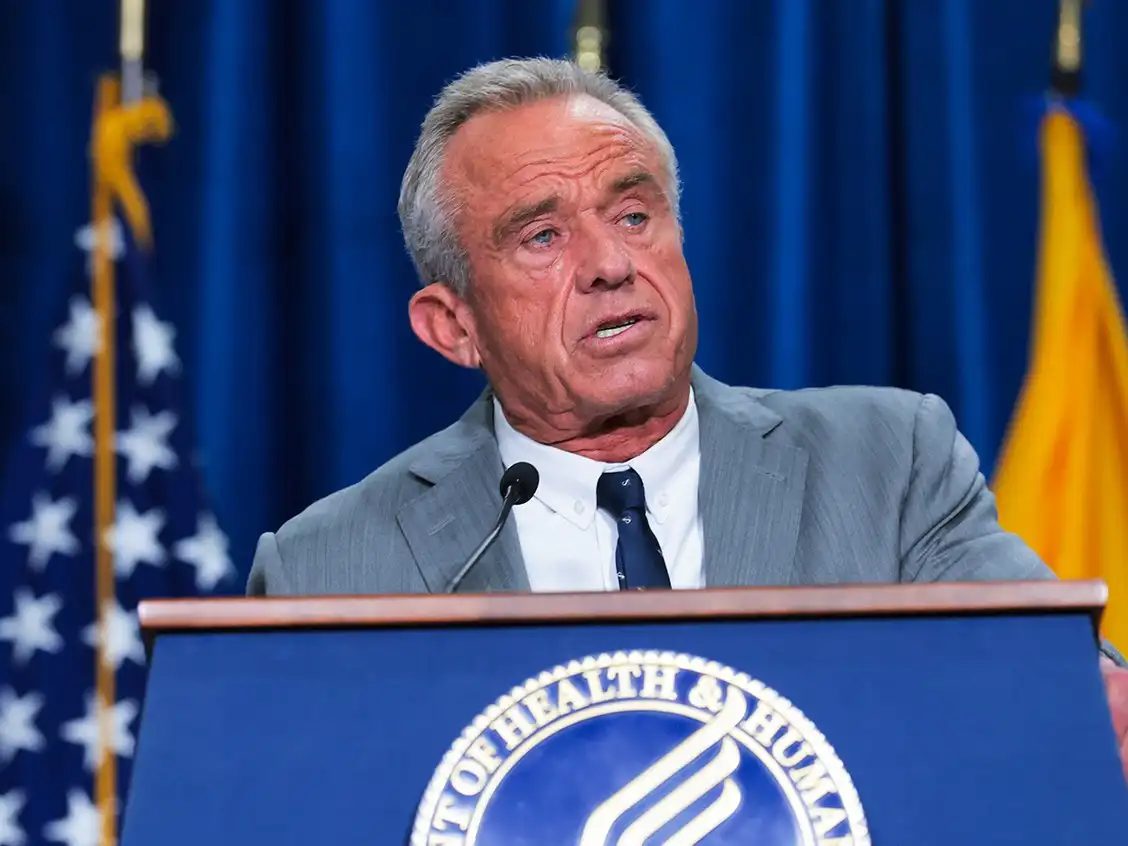
The resurgence has been exacerbated by anti-vaccine rhetoric, with figures like US Health Secretary Robert F. Kennedy Jr. accused of spreading misinformation about immunizations. The last comparable outbreak occurred in 1991, when 9,643 cases were reported.
Public health experts warn that without a reversal in vaccination trends, outbreaks will continue to escalate, particularly in communities with low immunization coverage.
What happens next in the US measles outbreak
Health officials are monitoring the situation closely, with the CDC expected to release updated case numbers in the coming weeks. Efforts to counter vaccine hesitancy and improve immunization rates remain critical to preventing further spread.