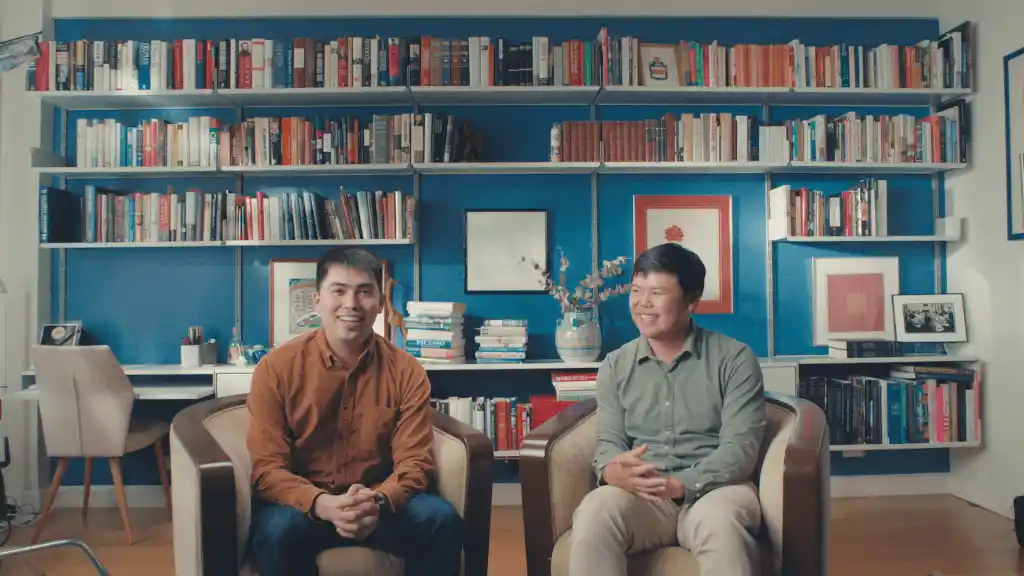
New York-based AI detection startup Pangram has raised $9 million to expand its tools that identify AI-generated text and images, as demand grows for ways to distinguish human content from machine-written material. The funding round, led by Menlo Ventures, coincides with the launch of Pangram 4, the company’s latest AI text detection model, and a new AI image detection tool.
How Pangram’s AI Detection Technology Works
Pangram’s system uses machine learning trained on tens of millions of human-written documents to spot stylistic patterns unique to AI-generated content. Unlike competitors that rely on watermarks or metadata, Pangram analyzes word choice, tone, and structural differences to detect AI assistance—even in mixed human-AI writing. The company claims its text model is over 99% accurate, while its image detector identifies AI-generated visuals at the pixel level.
Founded in 2022 by Stanford AI graduates Max Spero and Bradley Emi, Pangram targets what Spero calls the “AI slop” flooding the internet—from bot-generated SEO spam to disinformation campaigns. “It’s valuable to know whether what you’re reading is AI-generated,” Spero told TechCrunch. “That changes how you approach the text—whether you trust it or scrutinize it for hallucinations.”
Real-World Consequences of AI-Generated Content
The rise of AI-generated content has already led to high-profile mistakes, including a Canadian politician who read an AI prompt aloud in a speech and lawyers fined for citing fake ChatGPT-generated case law. Institutions are responding: The open-access archive arXiv now bans submissions with unchecked AI output, while Substack integrates Pangram’s technology to flag AI-written newsletters.
Pangram’s tools are available via a $20 monthly subscription or Chrome extension, which labels AI content in real time on platforms like X, LinkedIn, and Reddit. The company also offers an API used by publishers, universities, and recruiters. In testing, Pangram accurately flagged fully AI-generated articles but occasionally mislabeled human-written text as AI-assisted, particularly in dry or formulaic writing styles.
What’s Next for AI Detection
Pangram’s image detection model, currently in research preview, will roll out widely in the coming weeks. Unlike OpenAI’s watermark-based checks, it identifies AI-generated images across multiple models, even when embedded in real photos. Spero emphasizes the need for transparency: “If we don’t actively favor human content, AI will drown out the signal.” With competitors like Winston AI and GPTZero also vying for market share, the race to detect AI-generated content is just beginning.


