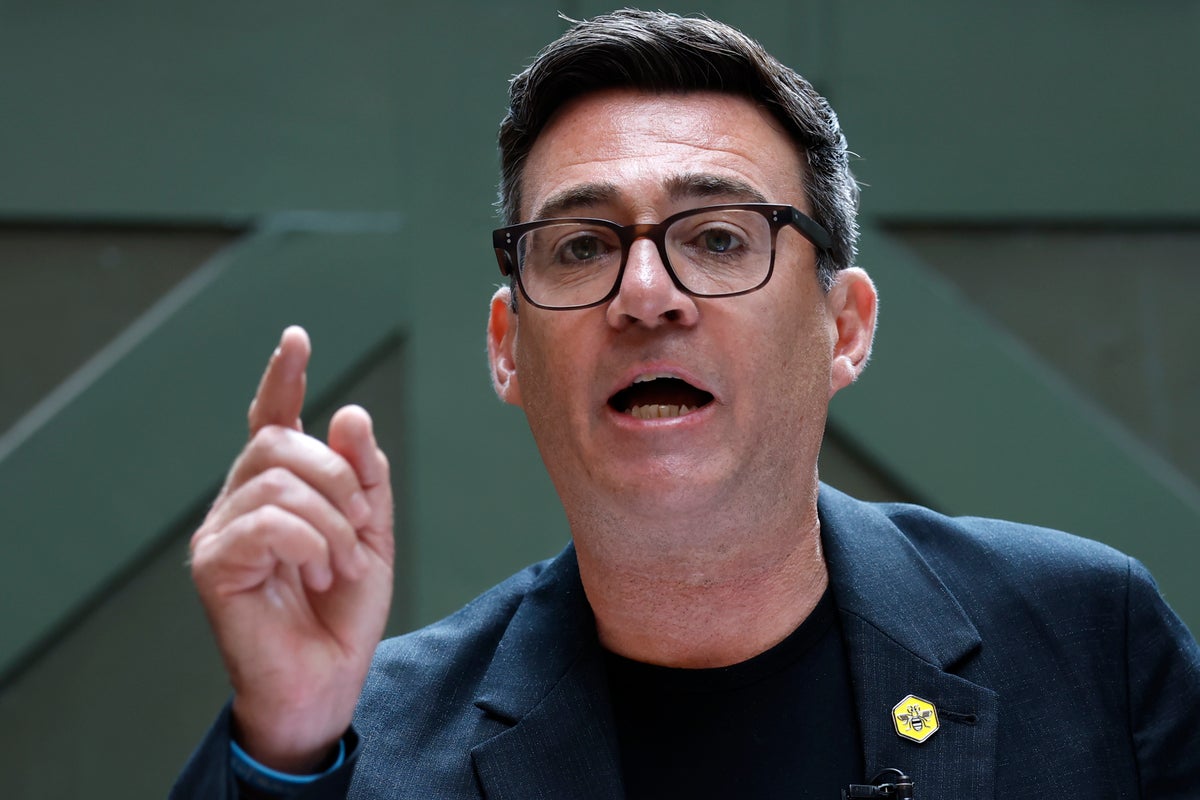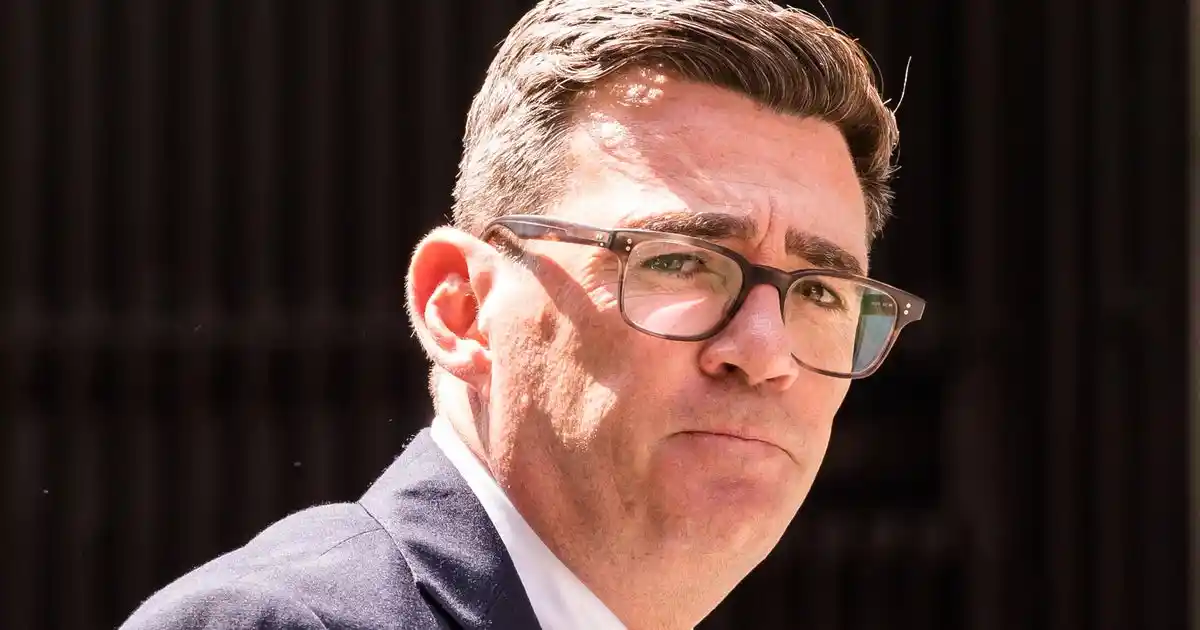
Andy Burnham has been officially declared leader of the UK Labour Party, paving the way for him to succeed Keir Starmer as prime minister next week. The announcement, made Friday, follows a leadership contest in which Burnham was the sole candidate, having secured nominations from 379 of 403 Labour lawmakers by Thursday night.
Transition of Power in the UK
Starmer, who faced mounting pressure to resign after Labour's poor performance in May's local elections, will formally step down on Monday. According to constitutional protocol, he will tender his resignation to King Charles III, who will then invite Burnham to form a government.
In his first speech as Labour leader, Burnham stated, "We're going to give them hope back," calling the moment "a proud and emotional one" for which he is prepared.
Andy Burnham's Policy Priorities
The former mayor of Greater Manchester, now prime minister-in-waiting, has outlined broad policy goals but offered few specifics. His office indicated he will address economic renewal, greater public control of key sectors, and the creation of modern industrial jobs, framing these as corrections to "a series of wrong turns in the 1980s" under Margaret Thatcher's Conservative government.
Burnham has also prioritized social care reform, citing patchy access for the elderly, ill, and disabled as a pressing issue. In a June campaign speech, he warned against the "polarized, poisonous politics" he associates with former U.S. President Donald Trump, stating that such divisions risk destabilizing the UK.
What to Watch Next
Burnham, who will become the UK's seventh leader since 2016, assumes office amid persistent economic challenges, including a cost-of-living squeeze and strained public services. His leadership style, described as more relaxed than Starmer's, will be tested as he navigates these issues in the coming weeks.