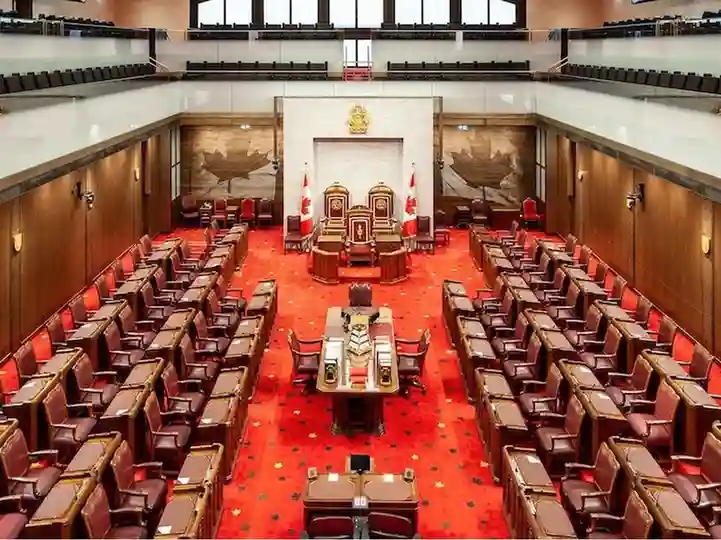
Mark Carney has announced a major change to Canada’s Senate appointment process, ending the requirement for non-partisan candidates and instead seeking individuals with political experience. The shift follows nearly a decade of reforms under Justin Trudeau, which failed to resolve the upper chamber’s legitimacy issues.
Carney’s Senate Appointment Changes
According to the announcement, Carney will continue using an advisory board to select senators, but the criteria now emphasize political background. The move implicitly acknowledges that Trudeau’s 2017 "independent" advisory process—designed to prioritize expertise and non-partisanship—did not address the Senate’s democratic deficit. Instead, it created an appointed elite controlled by the prime minister, as noted in a recent Fraser Institute paper.
Recent appointments, such as former Conservative MP Richard Martel and Liberal strategist Tom Pitfield, reflect this new approach. While expertise remains a factor, political judgment is now considered an asset.
Democratic Concerns and Proposed Solutions
The core issue, however, remains unresolved: Canadians have no direct role in selecting senators. The article argues that a practical solution exists without constitutional amendments. Instead of direct elections, the prime minister could allocate Senate appointments proportionally based on federal election results in each province.
Under this model, parties would receive a share of appointments matching their popular vote. Party leaders would nominate candidates, while the Governor General would formalize the appointments on the prime minister’s advice. This would preserve the Constitution while giving meaning to votes currently overlooked in Canada’s first-past-the-post system.
Potential Benefits of Proportional Senate Reform
A proportionally composed Senate could achieve multiple goals. It would ensure representation for voters in regions where their preferred party holds little influence, such as Liberal supporters in rural Alberta or Conservatives in downtown Toronto. Additionally, it could foster moderation by preventing any single party from dominating the upper chamber, encouraging negotiation and improving legislation without undermining the elected House of Commons.