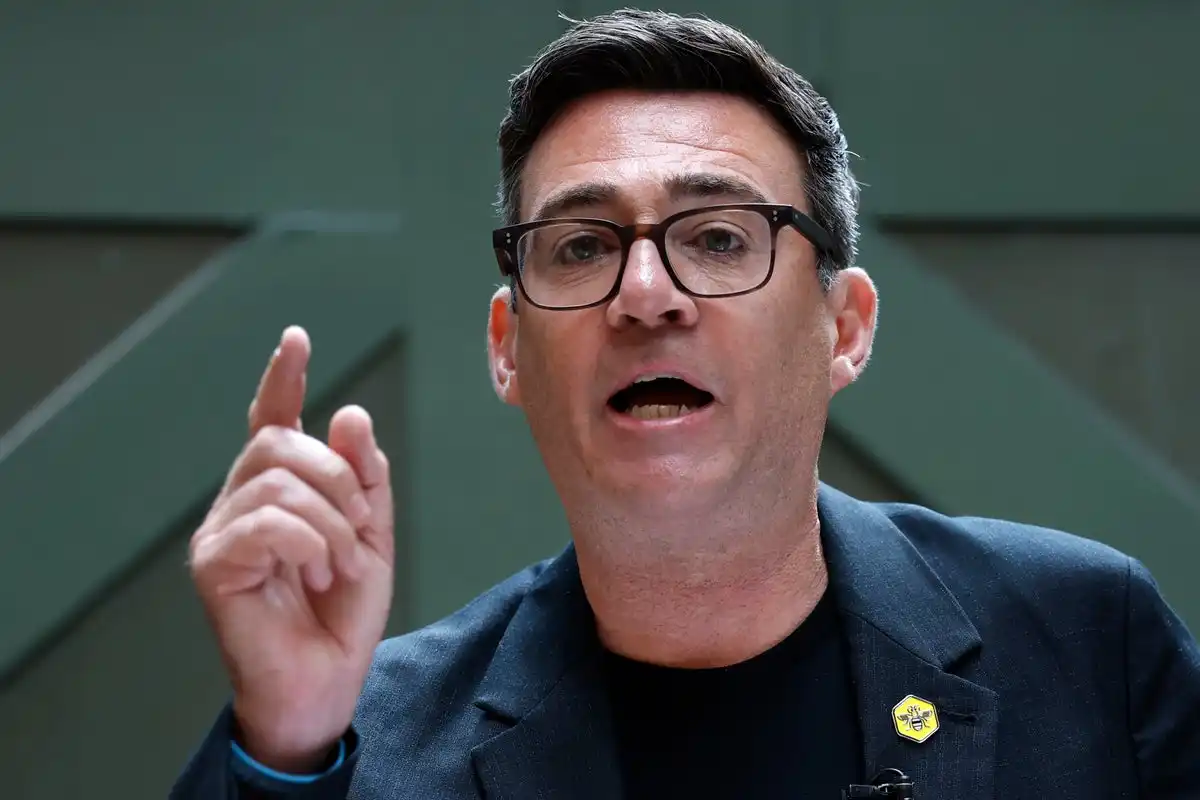
Andy Burnham is poised to become the UK’s next prime minister after securing the Labour leadership, with Shabana Mahmood expected to be appointed chancellor. As the nation braces for another shift in economic direction, questions remain over how his policies—from tax reforms to public spending—could affect household finances.
How Burnham’s economic stance may move markets
The new leadership’s approach to fiscal policy will be closely scrutinised by bond markets, where gilts (UK government bonds) react to perceived stability. If investors lose confidence, yields rise, increasing the cost of government borrowing. This, in turn, can weaken the pound—already down 1.5% since Friday—and push up import costs, fuelling inflation.
Higher inflation often prompts the Bank of England to consider interest rate hikes, which can drive up mortgage rates via swap rates (lenders’ expectations of future rate movements). Dan Coatsworth, head of markets at AJ Bell, noted: “Bond investors like boring and dull—they want someone who has a plan where the maths stacks up and they stick to it.”
Oxford Economics’ Edward Allenby added that Burnham may have little room to deviate from existing fiscal plans, given the tight timeline before the autumn Budget.
Tax reforms: Stamp duty, income tax, and inheritance
Burnham has proposed replacing stamp duty with a land value tax (LVT), a 0.48% levy on property values, as part of a broader reform of council tax. Tom Bill of Knight Frank warned this could “politicise the housing market” and risk reducing property values, while potentially raising rents due to lower supply.
On income tax, Burnham has floated raising the personal allowance—frozen at £12,570 since 2021—to ease pressure on low earners. Conversely, he has suggested reintroducing the 50p top rate for earnings above £125,140. Inheritance tax could be abolished in favour of a social care levy on inherited assets, with unused pensions soon to be included in calculations.
Public ownership and transport lessons from Manchester
Burnham’s tenure as Greater Manchester mayor offers clues to his approach: halving bus fares after bringing transport under public control boosted usage but required council tax increases to subsidise the move. On water utilities, he has backed public ownership for Thames Water—burdened by debt—but not necessarily for profitable firms like Severn Trent or United Utilities, whose shares dipped 1.5% on Friday.
“If you look at water as an industry as a whole, it’s run predominantly in the private interest rather than the public interest,” Burnham told The Guardian earlier this month.
With a leadership transition underway, the coming weeks will reveal whether Burnham’s economic vision can navigate market expectations and fiscal constraints.