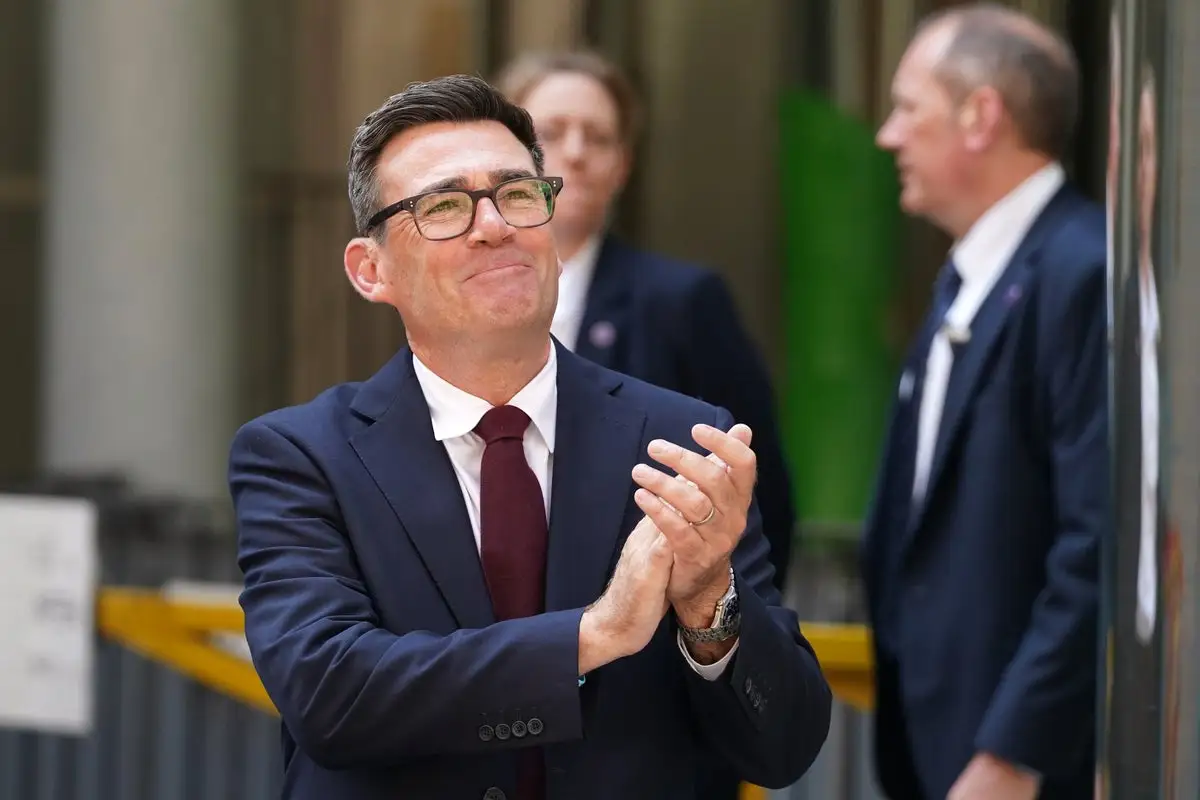
Andy Burnham has been elected Labour leader after securing 379 nominations from MPs and the backing of all affiliated trade unions and socialist groups. In his acceptance speech, he pledged to unite the party and deliver an agenda for change.
Burnham’s vision for Labour remains vague
The new leader told supporters to stop internal fighting and focus on opposing “the new right,” but offered few concrete details. His 40-minute address emphasised humility and a commitment to learning from past mistakes, yet his “plan for change” lacked specificity.
Burnham admitted he had not yet decided on top ministerial appointments, despite taking office in three days. His five key priorities—party unity, national unity, a new political approach, devolution, and a “distinctively Labour” identity—did not clarify how he would reverse four decades of economic consensus or apply the “Makerfield test” to benefit working-class communities.
Lessons from Labour’s past
Burnham cited his 2009 Hillsborough disaster handling as a personal turning point, acknowledging the need for change. He warned Labour this was a “last chance,” referencing past struggles under figures like Neil Kinnock, Margaret Beckett, and David Blunkett.
Few of Keir Starmer’s cabinet attended the announcement, with Deputy Leader Lucy Powell and Home Secretary Shabana Mahmood among the notable figures present. With Reform UK in disarray and the Conservatives struggling, Labour now faces a critical test of Burnham’s leadership over the next three years.




